

 English
 Español
 हिंदी
हिंदी Tiếng Việt
Industry News
 Home / News / Industry News / What Are the Benefits of Using a Mud Storage Hopper in Wastewater Sludge Management?
 What Are the Benefits of Using a Mud Storage Hopper in Wastewater Sludge Management?
 2026.07.06
 Industry News
Content
Wastewater treatment facilities generate large volumes of sludge that must be collected, stored, and transferred efficiently before further processing or disposal. Effective sludge management is essential for maintaining operational efficiency, reducing environmental risks, and controlling treatment costs. One piece of equipment that plays a crucial role in this process is the Mud Storage Hopper.
A mud storage hopper serves as a temporary storage and transfer unit for sludge, filter cake, and other semi-solid materials generated during wastewater treatment. By providing a controlled storage solution between dewatering and transportation stages, mud storage hoppers help facilities streamline operations and improve overall sludge handling efficiency.
How Does a Mud Storage Hopper Improve Sludge Handling Efficiency?
One of the primary advantages of a mud storage hopper is its ability to simplify and optimize sludge handling processes.
Continuous Material Collection
Wastewater treatment systems often operate continuously, while sludge transportation and disposal may occur on scheduled intervals. A mud storage hopper provides intermediate storage, allowing sludge to accumulate safely until it is ready for removal.
This helps:
- Prevent process interruptions
- Maintain continuous plant operation
- Reduce bottlenecks in sludge handling
Improved Material Flow
Modern mud storage hoppers are designed with optimized discharge angles and flow-assist features that minimize material bridging and blockages.
Benefits include:
- Smooth sludge discharge
- Reduced manual intervention
- Improved operational reliability
Better Integration with Dewatering Equipment
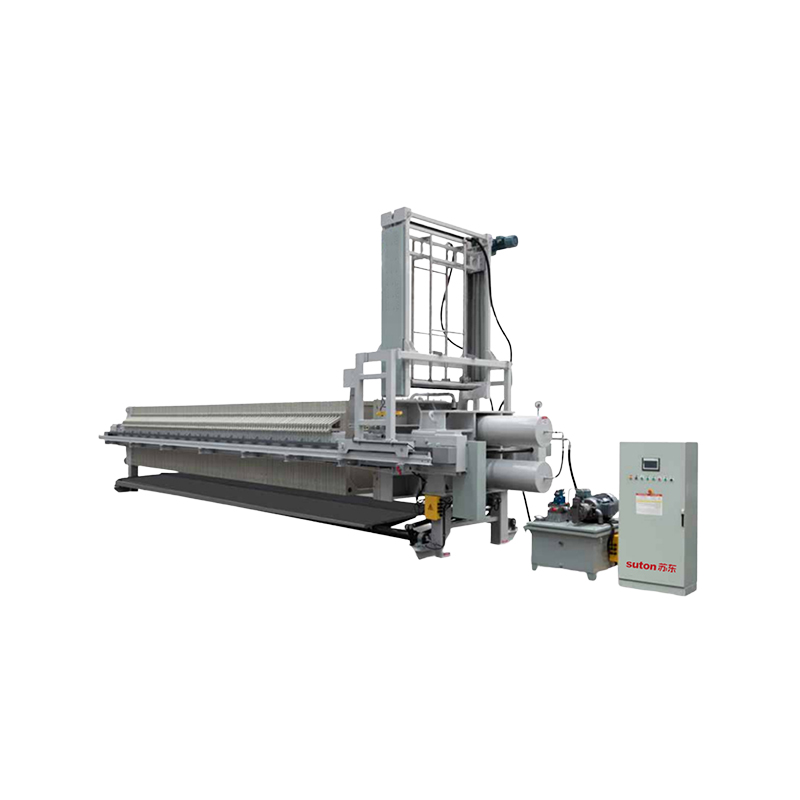
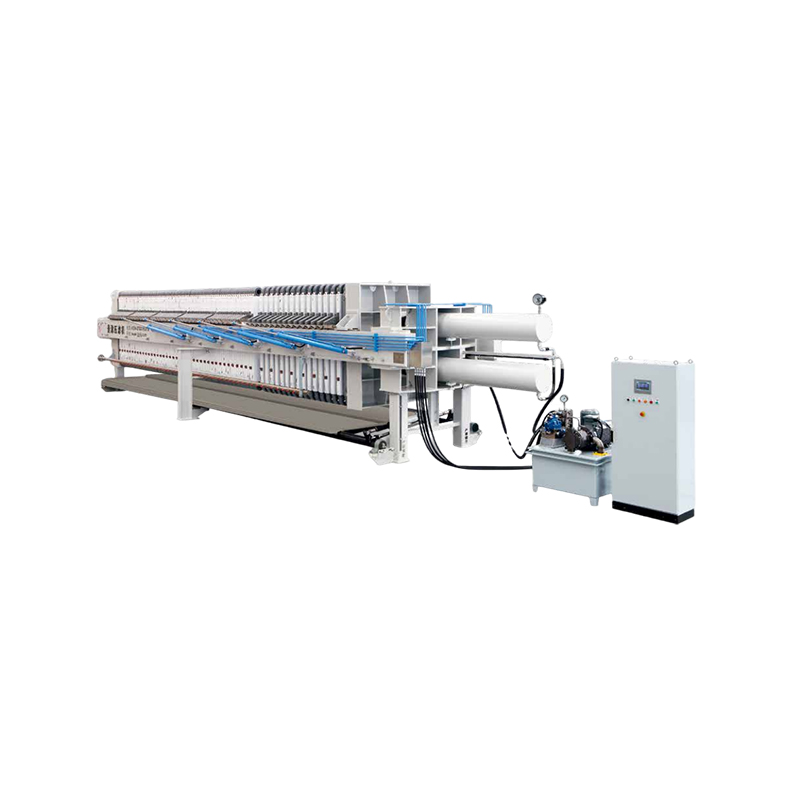
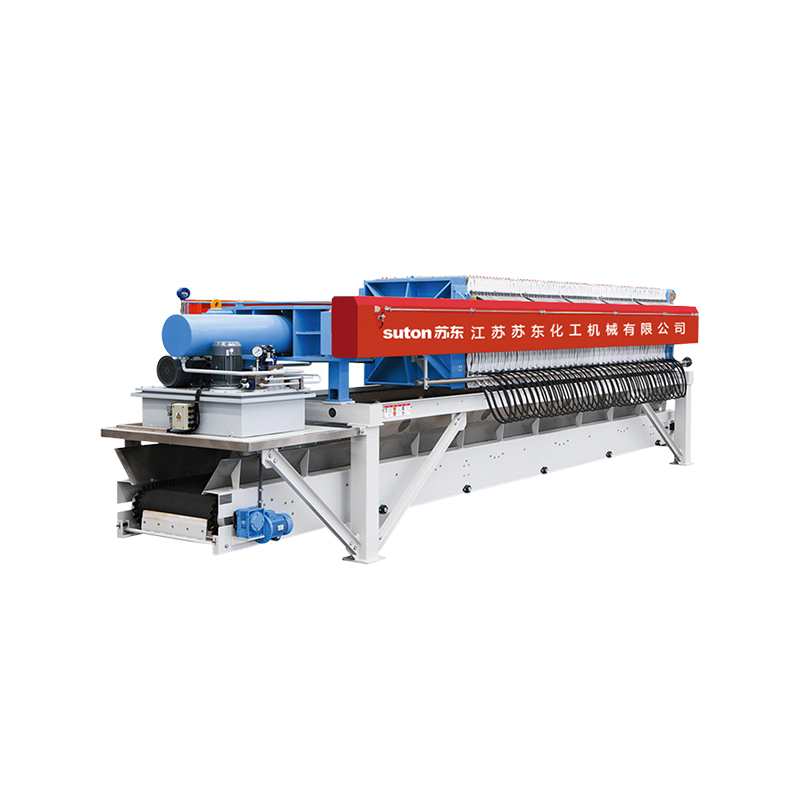
Mud storage hoppers are frequently installed beneath filter presses, centrifuges, and other dewatering equipment to collect discharged sludge automatically.
|
Operational Function |
Benefit |
|
Temporary Storage |
Supports continuous operation |
|
Sludge Collection |
Reduces material handling complexity |
|
Controlled Discharge |
Improves transport efficiency |
|
Equipment Integration |
Enhances workflow automation |
By acting as a buffer between sludge production and disposal, mud storage hoppers help treatment facilities achieve more efficient material management.
How Can a Mud Storage Hopper Reduce Operating Costs?
Cost control is a major concern for wastewater treatment plants, and mud storage hoppers contribute to operational savings in several ways.
Reduced Labor Requirements
Without a dedicated storage system, operators may need to manually manage sludge accumulation and transfer. A properly designed hopper automates much of this process.
Advantages include:
- Lower labor costs
- Reduced equipment handling
- Improved workplace safety
Optimized Transportation Scheduling
A mud storage hopper allows facilities to accumulate larger quantities of sludge before arranging transportation.
This can result in:
- Fewer transport trips
- Lower fuel consumption
- Reduced disposal expenses
Minimized Equipment Downtime
Efficient sludge storage prevents backups that could disrupt filter presses and other treatment equipment.
As a result:
- Production remains stable
- Maintenance costs may decrease
- Equipment utilization improves
|
Cost-Saving Area |
Potential Benefit |
|
Labor Management |
Reduced manual handling |
|
Transportation |
Lower hauling frequency |
|
Equipment Operation |
Less downtime |
|
Maintenance |
Improved system reliability |
Over time, these efficiencies can significantly reduce the total cost of sludge management.
Why Is a Mud Storage Hopper Important for Environmental Compliance and Safety?
Environmental regulations require wastewater treatment facilities to manage sludge responsibly and minimize the risk of spills, leaks, and contamination.
Enhanced Environmental Protection
A mud storage hopper provides a contained storage solution that helps prevent uncontrolled sludge accumulation and accidental releases.
Benefits include:
- Cleaner facility operations
- Reduced environmental risks
- Improved regulatory compliance
Improved Workplace Safety
Sludge handling can create hazardous working conditions if not properly managed. Automated storage and discharge systems reduce employee exposure to potentially unsafe environments.
Safety features often include:
- Enclosed storage systems
- Automated discharge controls
- Structural reinforcement
- Overflow protection mechanisms
Support for Sustainable Operations
Many wastewater treatment facilities are focused on sustainability initiatives. Efficient sludge storage supports these goals by improving waste management practices and facilitating resource recovery processes.
Common Applications of Mud Storage Hoppers
Mud storage hoppers are widely used in:
- Municipal wastewater treatment plants
- Industrial wastewater treatment facilities
- Chemical processing plants
- Mining and mineral processing operations
- Paper mills
- Food and beverage manufacturing facilities
FAQ
What is the main purpose of a mud storage hopper?
A mud storage hopper provides temporary storage for sludge or filter cake before transportation, disposal, or further processing.
Can a mud storage hopper be used with a filter press?
Yes. Mud storage hoppers are commonly installed beneath filter presses to collect and store dewatered sludge automatically.
What materials are mud storage hoppers typically made from?
Most hoppers are manufactured from carbon steel, stainless steel, or specially coated materials depending on the operating environment and sludge characteristics.
How do mud storage hoppers prevent material blockages?
Properly engineered hoppers feature steep wall angles, discharge aids, and optimized outlet designs that promote smooth material flow.
Are mud storage hoppers customizable?
Yes. Manufacturers can customize hopper size, storage capacity, discharge mechanisms, support structures, and automation features to meet specific project requirements.
Contact Information
 No. 1, Sudong Road, Guxi Town, Taixing, Jiangsu, China
 +86-15720778188
 +86-523-87791016
 +86-523-87797781
 [email protected]

;void(0))