What Is a Filter Press and Why Is It Essential in Modern Industrial Filtration?
A filter press is one of the most reliable and widely used pieces of equipment for solid-liquid separation in modern industry. It plays a critical role in sectors such as chemical processing, mining, metallurgy, food production, pharmaceuticals, and municipal wastewater treatment. The primary purpose of a filter press is to separate suspended solids from liquids by applying pressure, resulting in a clear filtrate and a compact, low-moisture filter cake. This dual output makes it highly valuable for both environmental compliance and resource recovery.
The increasing demand for cleaner production and stricter environmental regulations has significantly elevated the importance of filtration equipment. Compared to other separation technologies, filter presses offer higher filtration precision and lower residual moisture, making them ideal for industries that require efficient waste management and product purity. In wastewater treatment, for example, filter presses reduce sludge volume, lowering disposal costs and environmental impact. In chemical manufacturing, they ensure that valuable solids are recovered and reused effectively.
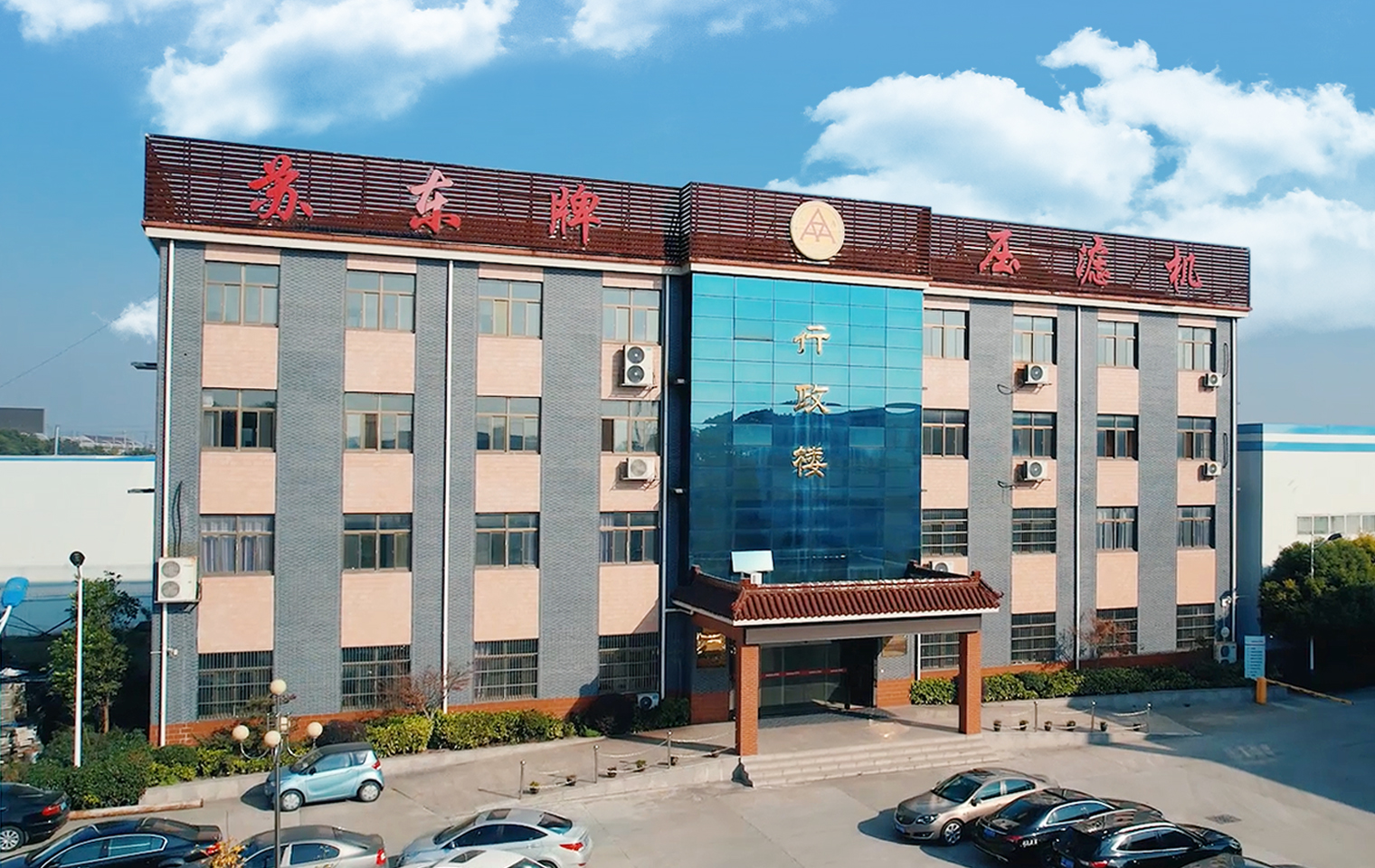
Jiangsu Sudong Chemical Machinery Co., Ltd., founded in June 1956, stands out as a pioneer in this field. With more than 30 years of experience in filter press design and manufacturing, the company has developed into an environmental protection technology-based enterprise integrating R&D, equipment manufacturing, and engineering contracting. It has been recognized as a high-tech enterprise in Jiangsu Province and one of the top ten competitive enterprises in China’s chemical machinery industry. Its long-standing expertise enables it to provide highly customized filtration solutions that meet diverse industrial needs.
Another key advantage of filter presses is their adaptability. They can handle a wide range of materials, from fine chemical slurries to coarse mineral suspensions. Their modular structure allows for scalability, making them suitable for both small-scale operations and large industrial plants. Additionally, modern filter presses incorporate automation systems, improving operational efficiency and reducing labor requirements.
Below is a comparison of filter press advantages against other common filtration methods:
| Parameter |
Filter Press |
Centrifuge |
Vacuum Filter |
| Filtration Accuracy |
High |
Medium |
Medium |
| Cake Moisture Content |
Low |
Medium |
High |
| Energy Consumption |
Moderate |
High |
Low–Moderate |
| Maintenance Complexity |
Moderate |
High |
Moderate |
| Environmental Impact |
Low |
Medium |
Medium |
With the continuous development of industrial technology, filter presses have evolved into more intelligent and energy-efficient systems. Jiangsu Sudong Chemical Machinery Co., Ltd. has actively contributed to this transformation by integrating advanced control technologies and environmentally friendly design concepts into its products. The establishment of the Taizhou Solid-Liquid Separation Equipment Engineering Technology Research Center further strengthens its innovation capabilities, ensuring that its filtration solutions remain at the forefront of the industry.
How Does a Filter Press Work and What Are Its Key Components?
Understanding how a filter press operates is essential for maximizing its performance and selecting the appropriate configuration for specific applications. At its core, a filter press works by using pressure to force liquid through a filter medium while retaining solid particles. This process is both simple in principle and highly efficient in practice.
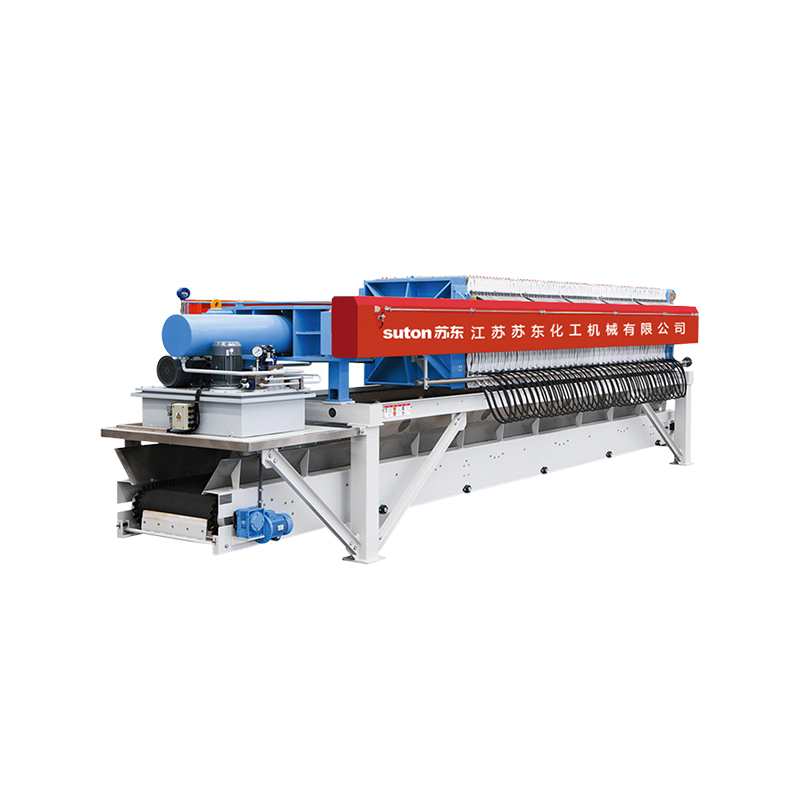
The operation begins when slurry is pumped into a series of filter chambers formed by filter plates. These plates are lined with filter cloths, which act as the primary filtration medium. As pressure builds up inside the chambers, the liquid passes through the cloth and exits via drainage channels, while the solid particles accumulate on the cloth surface to form a filter cake. Over time, this cake becomes thicker and denser, enhancing the filtration effect and reducing the moisture content.
Jiangsu Sudong Chemical Machinery Co., Ltd. has continuously optimized this process through technological innovation. Its filter presses are designed with advanced hydraulic systems and intelligent control units that ensure consistent pressure distribution and stable operation. This not only improves filtration efficiency but also extends equipment lifespan.
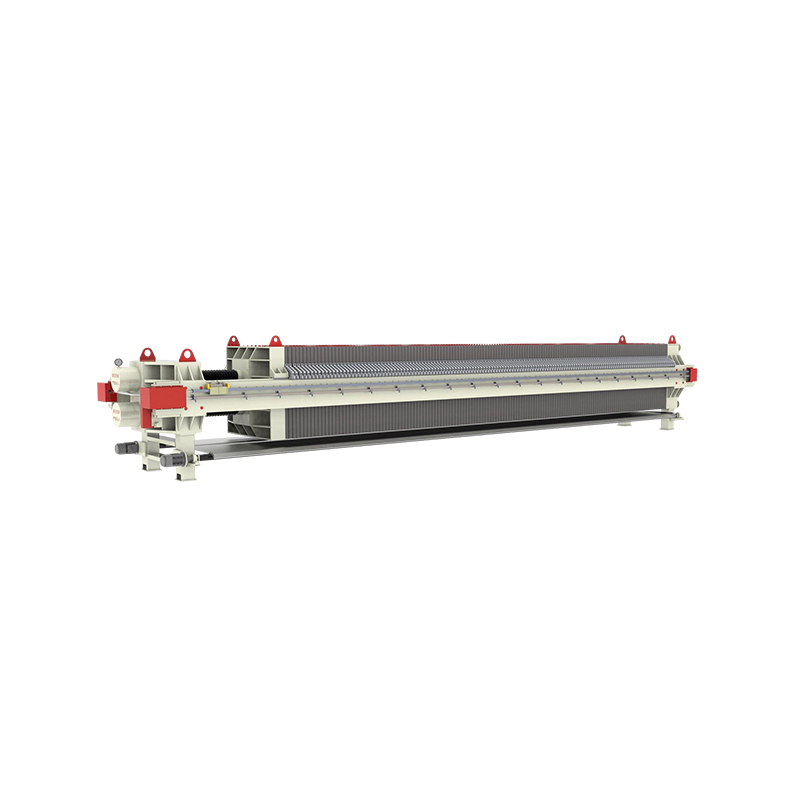
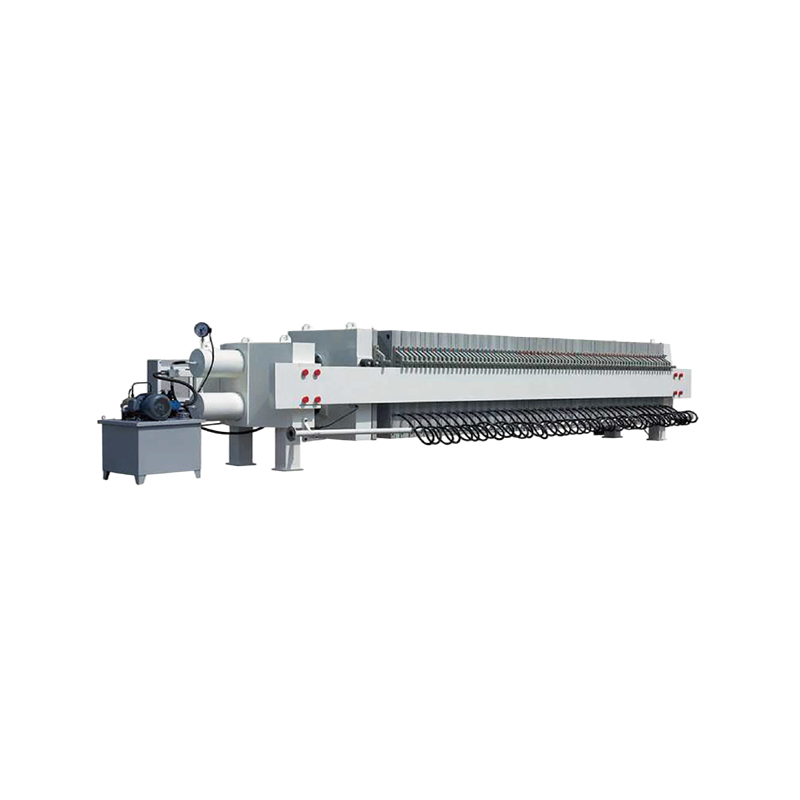
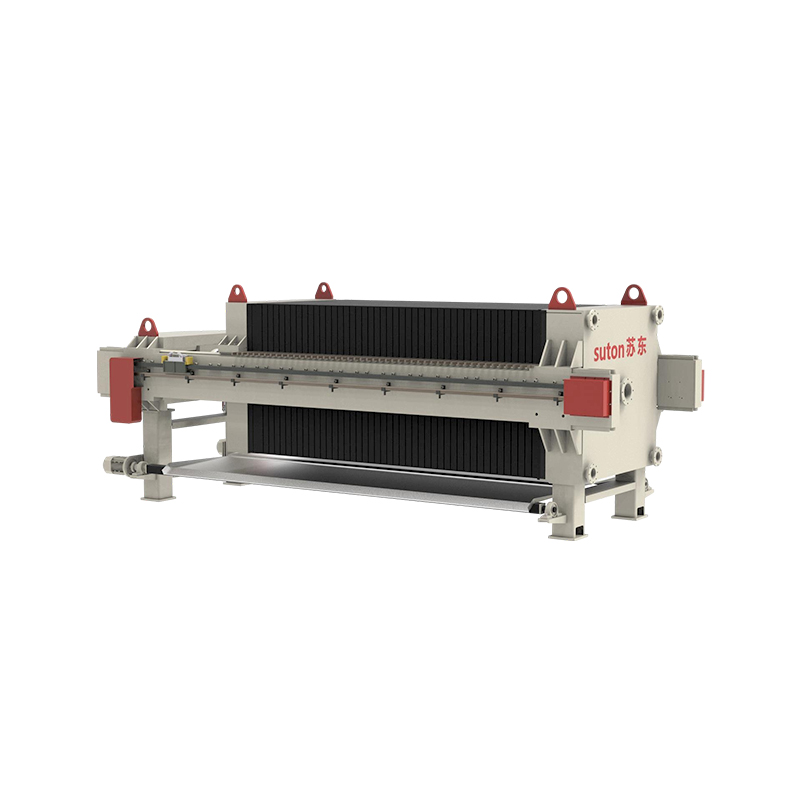
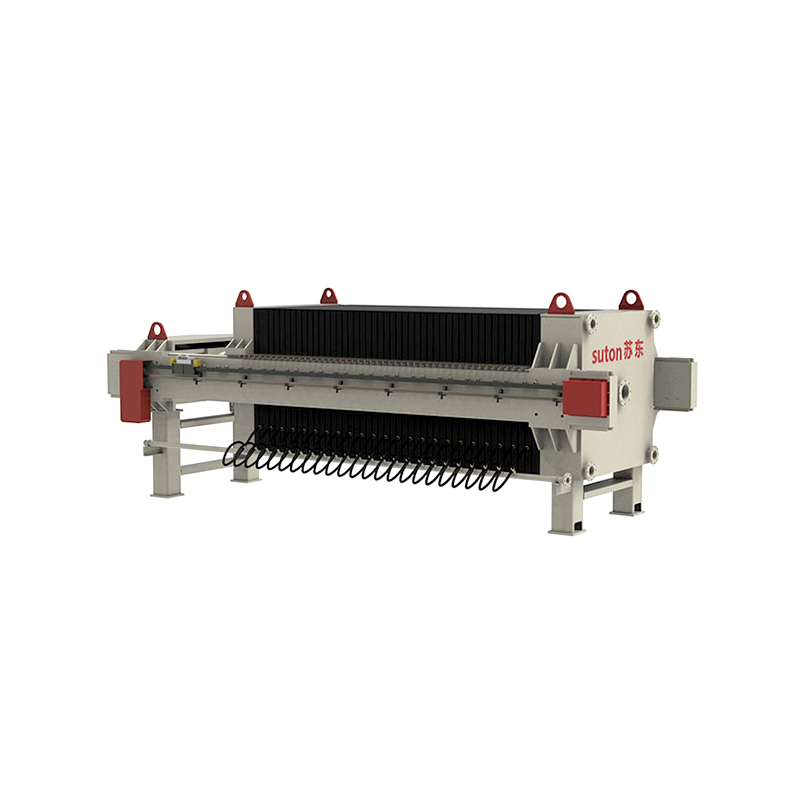
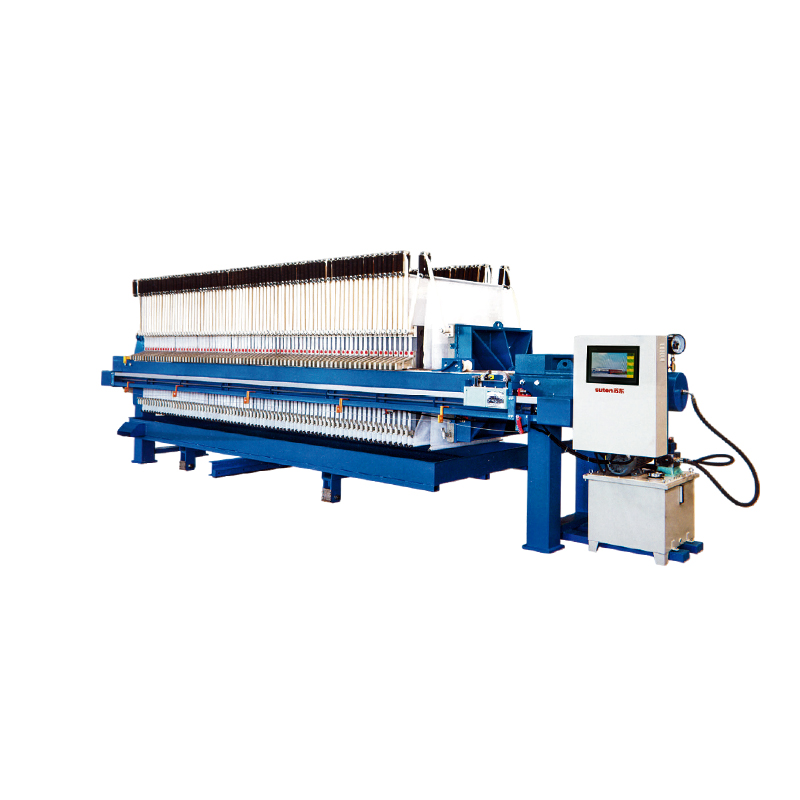
The key components of a filter press include:
- Frame structure for mechanical support
- Filter plates forming the filtration chambers
- Filter cloths determining filtration accuracy
- Hydraulic system for compression
- Feeding system for slurry delivery
- Control system for automation
Each component plays a crucial role in the overall performance. For example, the quality of the filter cloth directly affects filtration precision, while the hydraulic system determines the sealing efficiency between plates.
The filtration process typically follows several stages:
- Slurry feeding into chambers
- Pressure filtration and liquid discharge
- Cake formation and thickening
- Optional washing to remove impurities
- Air blowing or squeezing for drying
- Plate opening and cake discharge
Below is a table summarizing the impact of key operational factors:
| Factor |
Effect on Performance |
| Filtration Pressure |
Higher pressure improves separation |
| Slurry Concentration |
Influences cake formation speed |
| Plate Design |
Affects flow uniformity |
| Cloth Material |
Determines filtration precision |
| Cycle Time |
Impacts productivity |
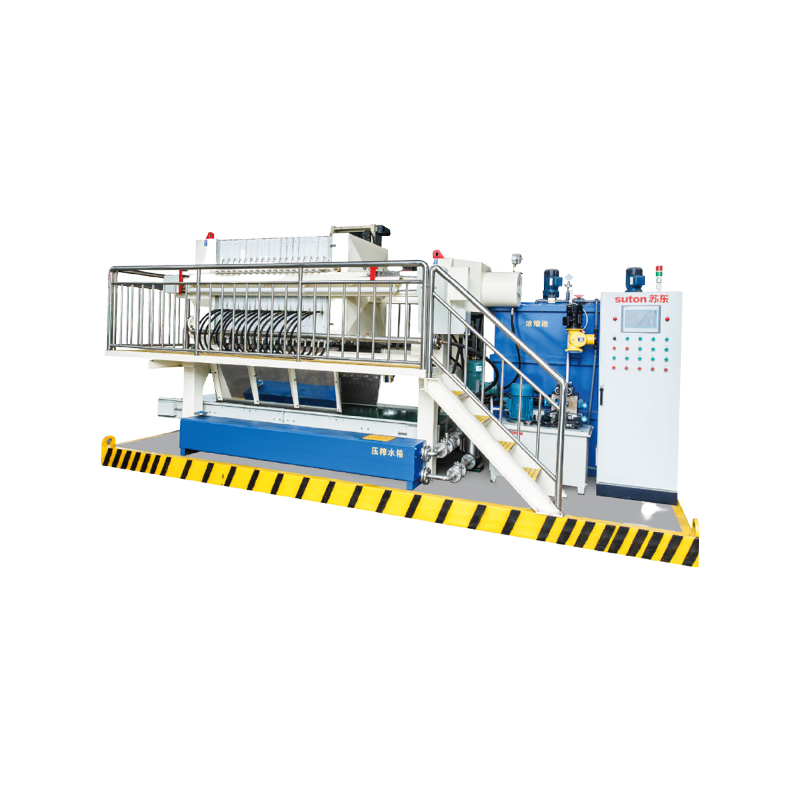
Modern filter presses from Jiangsu Sudong Chemical Machinery Co., Ltd. often incorporate automation features such as automatic plate shifting, cake discharge, and remote monitoring. These innovations significantly reduce manual intervention and improve operational safety. The company’s engineering expertise, supported by its provincial-level graduate workstation, ensures continuous improvement in filtration technology and system integration.
What Are the Main Types of Filter Presses and How to Choose the Right One?
There are several types of filter presses available in the market, each designed to meet specific operational requirements and material characteristics. Choosing the right type is essential for achieving optimal performance, cost efficiency, and long-term reliability.
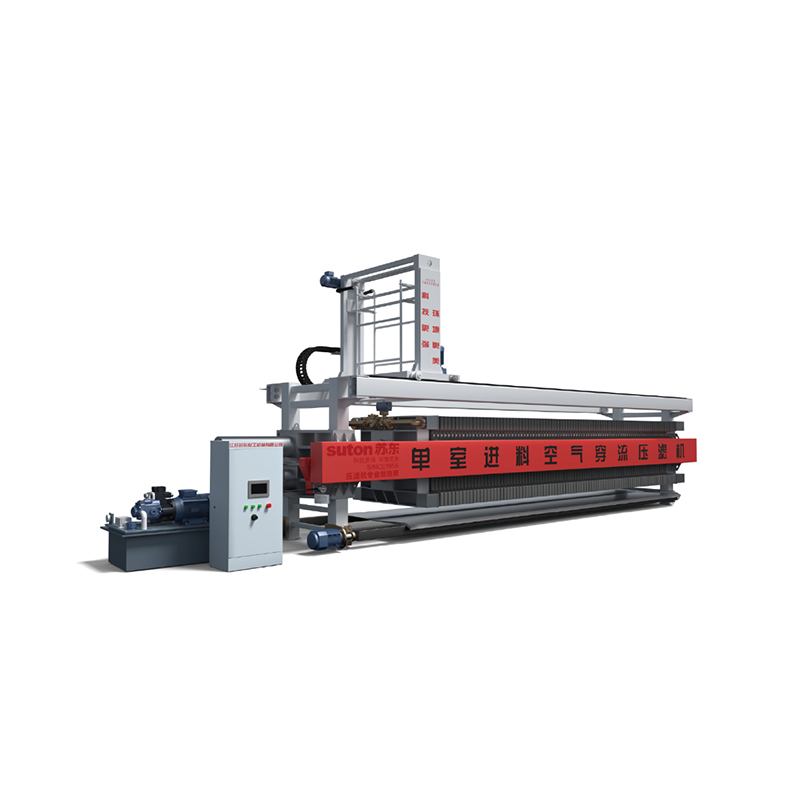
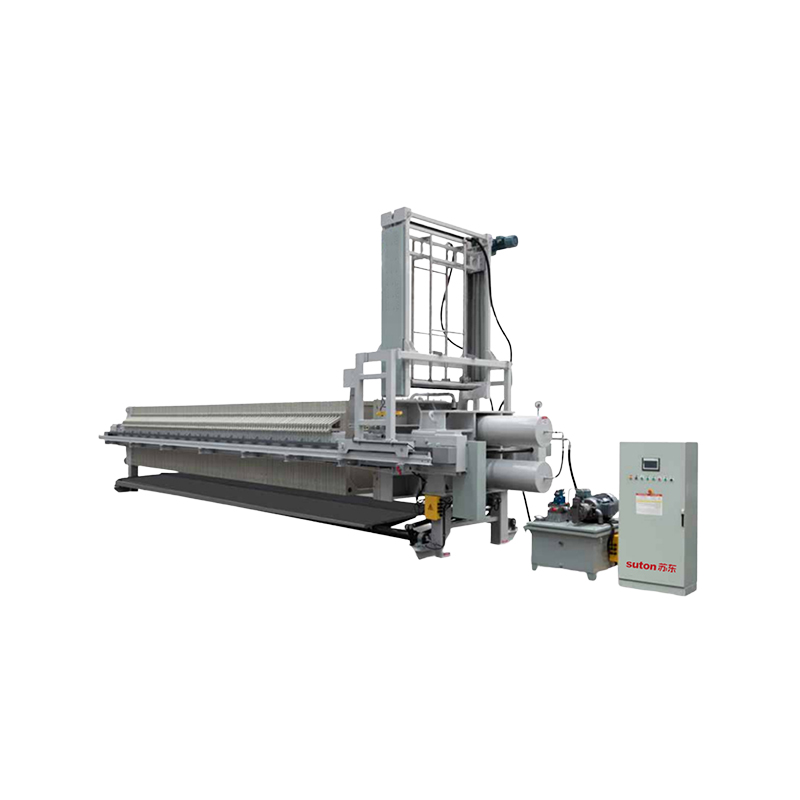
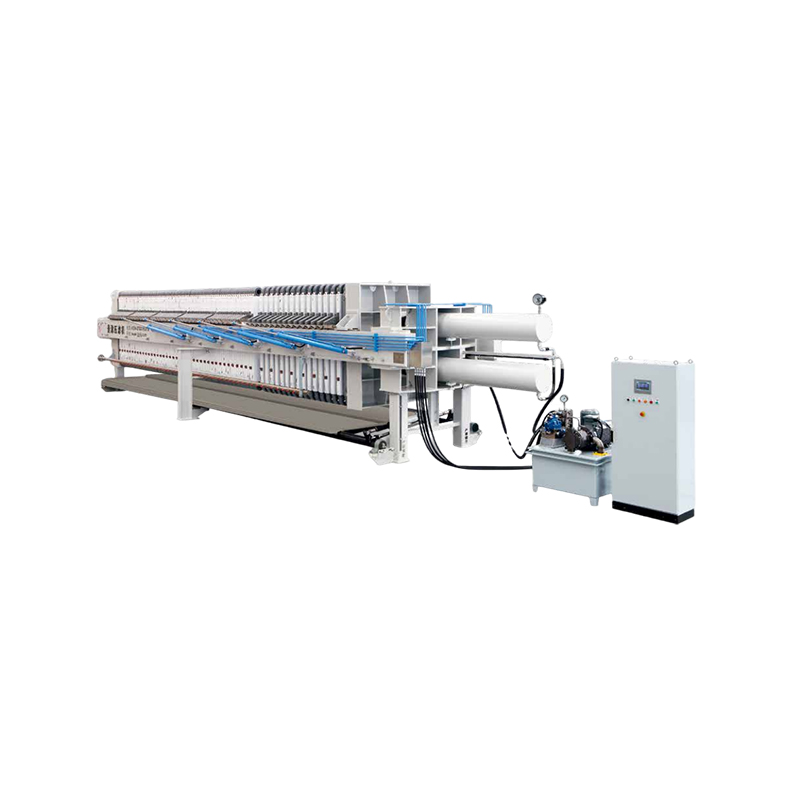
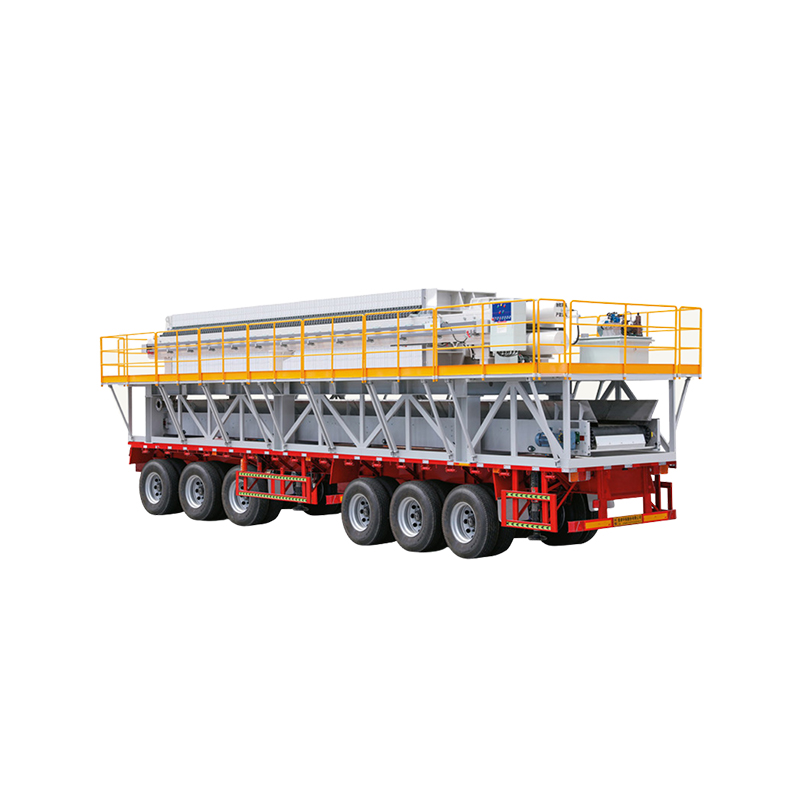
The most common types include plate and frame filter presses, recessed chamber filter presses, membrane filter presses, and fully automatic filter presses. Each type has its own advantages and limitations, depending on the application scenario.
Plate and frame filter presses are among the earliest designs and are known for their simplicity and high filtration accuracy. However, they require more manual operation and are less suitable for large-scale industrial use. Recessed chamber filter presses, on the other hand, are the most widely used due to their balance between efficiency and cost. They offer higher capacity and are suitable for a broad range of industries.
Membrane filter presses represent a more advanced technology. They use flexible membranes to apply additional الضغط after initial filtration, further reducing cake moisture. This makes them ideal for applications where low moisture content is critical, such as chemical and pharmaceutical industries. Fully automatic filter presses integrate advanced control systems, enabling continuous operation with minimal human intervention.
Jiangsu Sudong Chemical Machinery Co., Ltd. provides a comprehensive range of these filter presses, offering customized solutions based on customer requirements. With its strong R&D capabilities and extensive industry experience, the company ensures that each system is tailored to specific process conditions.
Below is a comparison of different filter press types:
| Type |
Automation Level |
Cake Moisture |
Investment Cost |
Typical Applications |
| Plate & Frame |
Low |
Medium |
Low |
Fine chemicals |
| Recessed Chamber |
Medium |
Medium |
Medium |
General industrial use |
| Membrane |
Medium |
Low |
High |
High-value materials |
| Automatic Filter Press |
High |
Low–Medium |
High |
Large-scale operations |
When selecting a filter press, several factors must be considered:
- Nature and properties of the slurry
- Required filtration accuracy
- Desired cake dryness
- Processing capacity and throughput
- Level of automation needed
- Budget and operational costs
Jiangsu Sudong Chemical Machinery Co., Ltd. leverages its decades of experience and its Taizhou Solid-Liquid Separation Equipment Engineering Technology Research Center to help customers make informed decisions. By combining technical expertise with practical engineering solutions, the company ensures that clients receive equipment that not only meets but exceeds performance expectations.
FAQ
Q1: What industries benefit most from using filter presses?
A: Industries such as chemical manufacturing, mining, wastewater treatment, food processing, and pharmaceuticals benefit significantly due to improved separation efficiency and environmental compliance.
Q2: How can filter press efficiency be improved?
A: Efficiency can be enhanced by optimizing pressure, selecting appropriate filter cloths, and using advanced automation systems.
Q3: What is the lifespan of a filter press?
A: With proper maintenance, a high-quality filter press can operate effectively for many years, often exceeding a decade.
Q4: Why choose Jiangsu Sudong Chemical Machinery Co., Ltd.?
A: The company offers decades of experience, strong R&D capabilities, and customized solutions, making it a trusted partner in filtration technology.
Q5: Is automation necessary for all filter presses?
A: Not always, but automation is highly recommended for large-scale operations to improve efficiency and reduce labor costs.


 English
 Español
 हिंदी
हिंदी Tiếng Việt


 No. 1, Sudong Road, Guxi Town, Taixing, Jiangsu, China
 +86-15720778188
 +86-523-87791016
 +86-523-87797781

;void(0))