Metal Filter Plates: An Essential Component in Industrial Filtration Systems
Metal filter plates are a critical part of modern industrial separation and purification systems, playing an irreplaceable role in ensuring process stability, product quality, and operational safety. Compared with traditional disposable filter media such as paper or polymer membranes, metal filter plates are designed for heavy-duty and long-term industrial use. They are widely adopted in industries where filtration conditions are harsh, including high temperature, high pressure, and chemically aggressive environments.
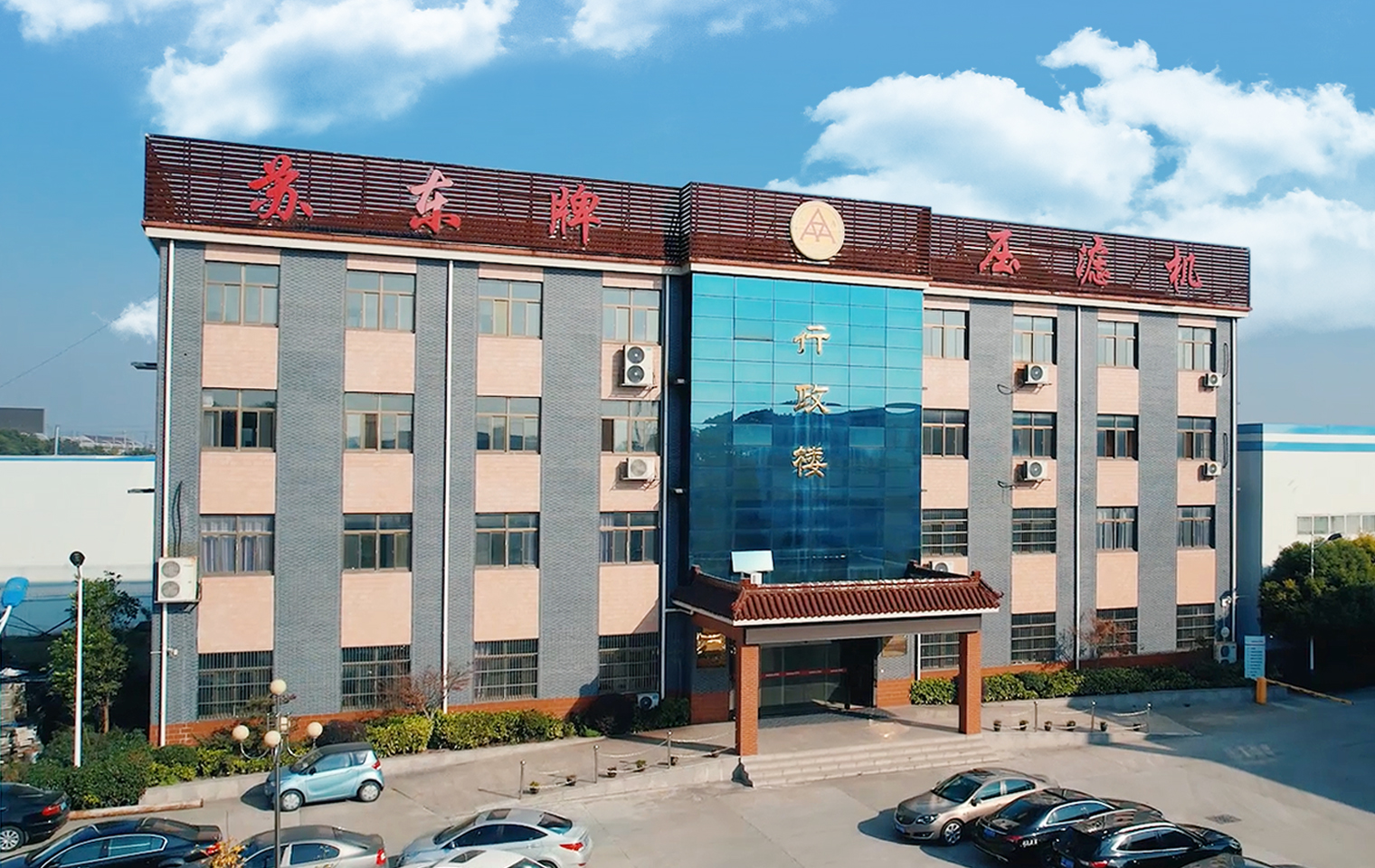
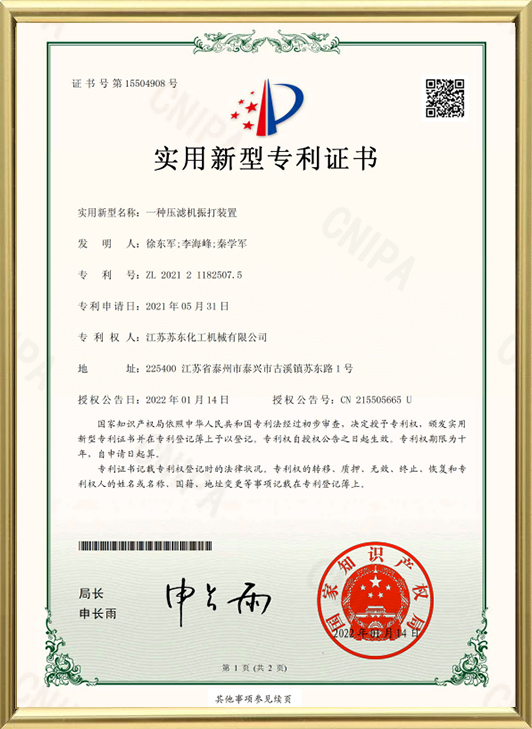
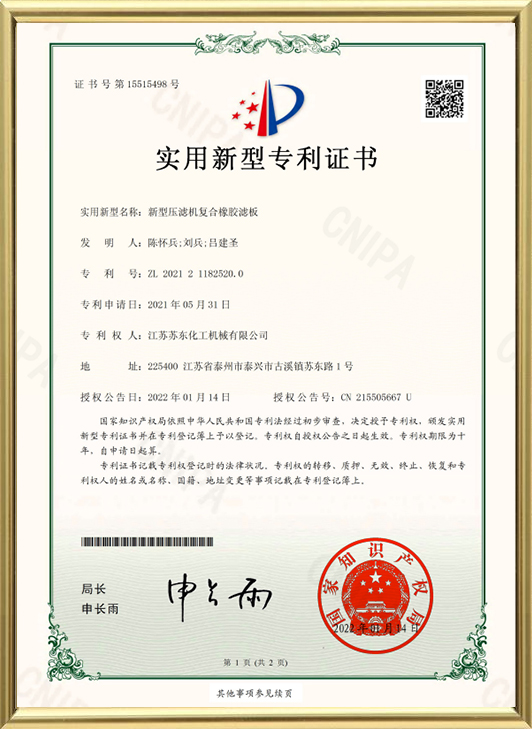
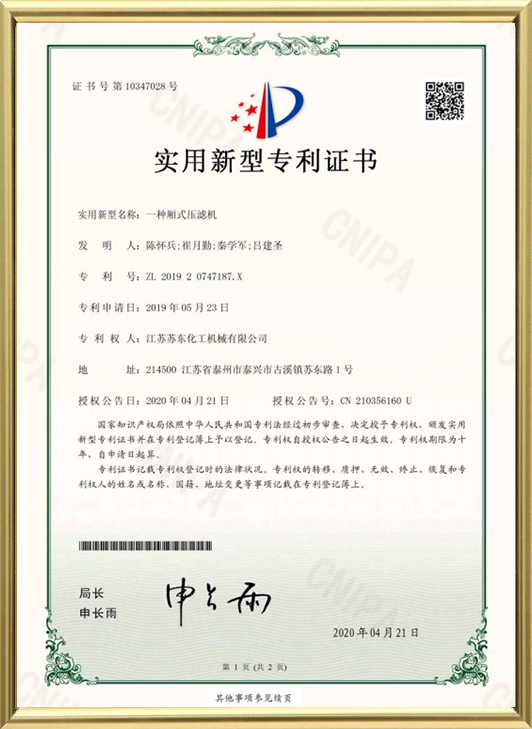
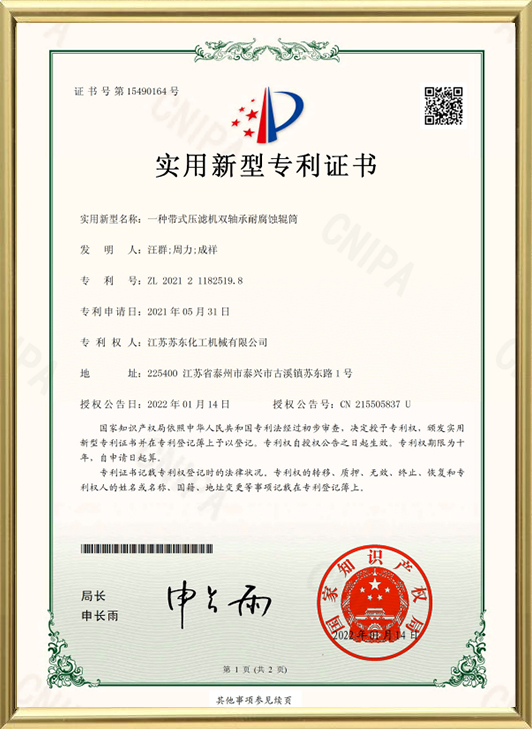
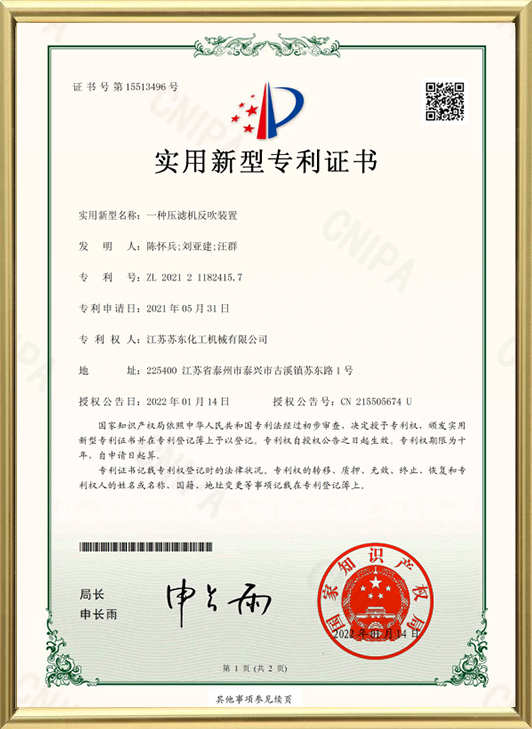
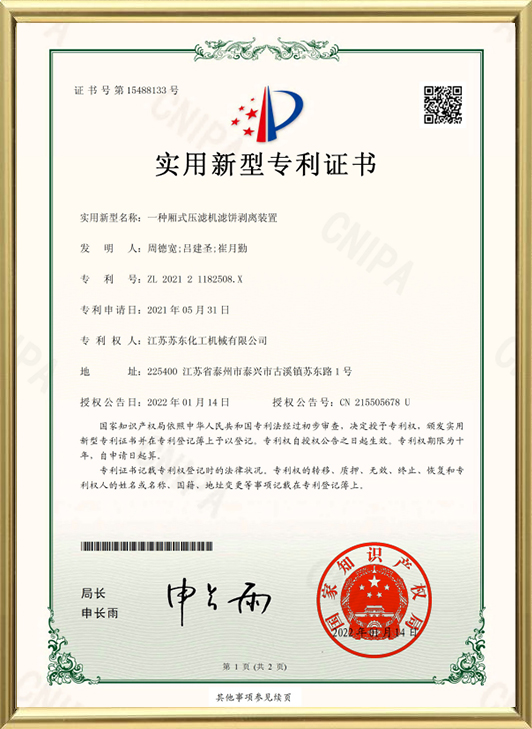
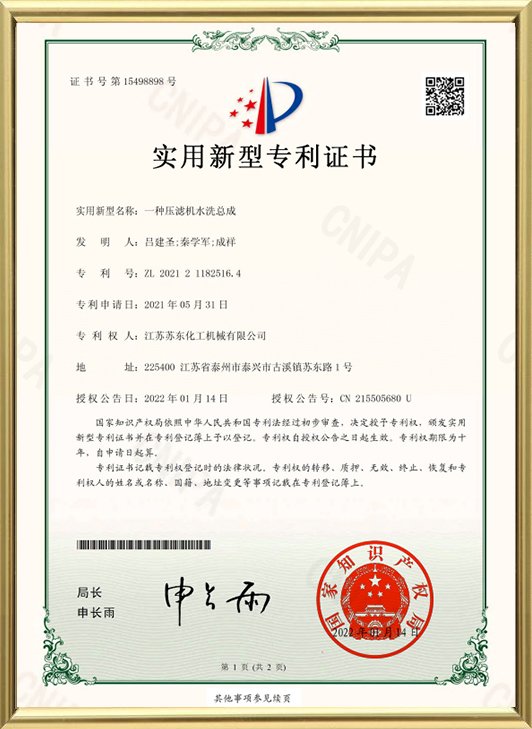
From a manufacturing perspective, metal filter plates are typically produced by companies with strong engineering capabilities and precision machining expertise. For example, Jiangsu Sudong Chemical Machinery Co., Ltd. focuses on the design and production of high-performance chemical machinery and filtration equipment, providing customized metal filter plate solutions for different industrial applications. By integrating advanced metallurgy and precision fabrication, such manufacturers ensure that each filter plate meets strict industrial standards.
The importance of metal filter plates lies in their ability to maintain continuous filtration efficiency in demanding systems. In many production lines, even a small fluctuation in filtration performance can lead to contamination, reduced yield, or equipment damage. Therefore, industries rely on metal filter plates to maintain stable operation and consistent product quality.
In addition, these filter plates are highly adaptable. They can be designed in various shapes, thicknesses, and pore structures depending on the required filtration precision and flow rate. Their modular nature also allows them to be integrated into different filtration systems such as plate-and-frame filters, pressure leaf filters, and vacuum filtration systems.
| Key Feature |
Description |
Industrial Benefit |
| High Mechanical Strength |
Made from stainless steel or alloy materials |
Withstands high pressure environments |
| Thermal Stability |
Operates under extreme temperature conditions |
Suitable for chemical and thermal processes |
| Customizable Design |
Adjustable pore size and structure |
Meets different filtration accuracy needs |
| Long Service Life |
Reusable after cleaning |
Reduces long-term operational cost |
Overall, metal filter plates are not just components but essential engineering solutions that support the efficiency and reliability of modern industrial production systems.
Structure, Materials, and Working Principles of Metal Filter Plates
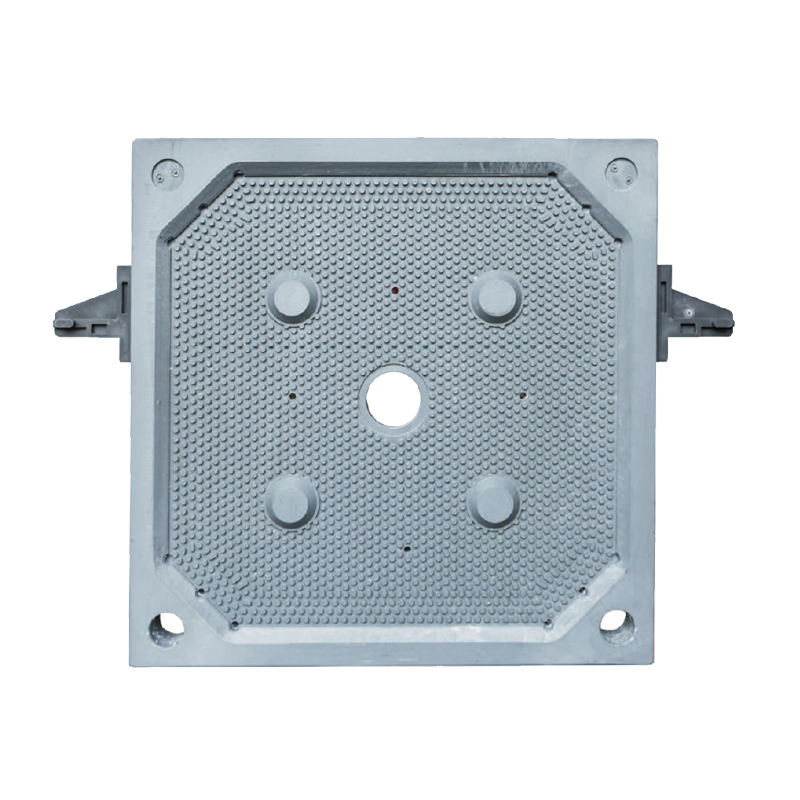
The structural design of metal filter plates is based on a combination of mechanical strength, filtration precision, and chemical resistance. These plates are usually composed of multiple layers, including a filtration layer, support layer, and structural reinforcement layer. Each layer plays a specific role in ensuring both durability and filtration efficiency.
The filtration layer is often made of sintered stainless steel mesh or fine woven metal mesh, which is responsible for capturing fine particles. Beneath it, the support layer provides structural stability and prevents deformation under pressure. The outer frame or sealing edge ensures that the filter plate fits securely into the filtration equipment, preventing leakage and maintaining system integrity.
Manufacturers like Jiangsu Sudong Chemical Machinery Co., Ltd. often customize these structural layers based on customer requirements. For example, in high-corrosion environments, titanium or Hastelloy materials may be used instead of standard stainless steel to enhance chemical resistance.
The working principle of metal filter plates is primarily based on surface filtration and depth filtration mechanisms. When fluid enters the system, larger particles are first trapped on the surface layer, while smaller particles are captured within the internal mesh structure. This dual filtration mechanism significantly improves filtration efficiency and reduces clogging.
| Structural Component |
Function |
Common Material |
| Filtration Layer |
Captures fine particles |
Stainless steel mesh / sintered metal |
| Support Layer |
Maintains rigidity |
Perforated steel plate |
| Reinforcement Frame |
Ensures sealing and strength |
Carbon steel / alloy steel |
| Surface Coating (optional) |
Enhances corrosion resistance |
Nickel / anti-corrosion coating |
One of the key advantages of this structure is its ability to withstand high differential pressure, making it suitable for continuous industrial processes. Unlike non-metal filters, which degrade quickly, metal filter plates maintain stable performance even after repeated cleaning cycles.
Advantages and Industrial Applications of Metal Filter Plates
Metal filter plates offer a wide range of advantages that make them indispensable in industrial filtration systems. Their most significant benefit is durability. Unlike disposable filters, metal filter plates are designed for repeated use, significantly reducing replacement costs and environmental waste.
Another major advantage is their resistance to extreme conditions. They can operate under high temperature, high pressure, and chemically aggressive environments without deformation or loss of performance. This makes them ideal for industries such as petrochemicals, pharmaceuticals, and food processing.
From a manufacturing standpoint, Jiangsu Sudong Chemical Machinery Co., Ltd. has developed a series of high-performance metal filter plates tailored for different industrial sectors. These products are engineered to meet strict operational requirements while ensuring long-term reliability and efficiency.
| Industry |
Application |
Benefit |
| Chemical Industry |
Acid and solvent filtration |
High corrosion resistance |
| Food & Beverage |
Oil, syrup, and liquid clarification |
Ensures product purity |
| Pharmaceutical |
Sterile filtration of intermediates |
Meets hygiene standards |
| Oil & Gas |
Fuel and lubricant purification |
Improves system efficiency |
| Water Treatment |
Wastewater solid separation |
Enhances environmental compliance |
In addition to industrial applications, metal filter plates are also widely used in specialized engineering systems such as vacuum filtration units and pressure filtration systems. Their ability to maintain consistent filtration accuracy over long periods makes them particularly valuable in continuous production environments.
Another important advantage is sustainability. Since they are reusable and easy to clean, they significantly reduce industrial waste generation. This aligns with modern environmental regulations and green manufacturing practices.
Maintenance, Cleaning, and Selection Guidelines
Proper maintenance is essential to ensure the long-term performance of metal filter plates. Although they are highly durable, their efficiency can decline if not cleaned and inspected regularly. Common cleaning methods include backflushing, ultrasonic cleaning, and chemical soaking, depending on the type of contaminants.
Routine maintenance typically focuses on identifying early signs of wear, such as reduced flow rate, surface blockage, or minor corrosion. Addressing these issues early helps extend the service life of the filter plates and maintain stable system performance.
Companies like Jiangsu Sudong Chemical Machinery Co., Ltd. not only manufacture metal filter plates but also provide technical guidance on maintenance procedures, helping customers optimize operational efficiency and reduce downtime.
| Maintenance Task |
Frequency |
Purpose |
| Visual Inspection |
Weekly |
Detect surface damage or clogging |
| Deep Cleaning |
Monthly or as needed |
Restore filtration efficiency |
| Pressure Check |
Continuous monitoring |
Ensure system stability |
| Seal Inspection |
Quarterly |
Prevent leakage issues |
When selecting metal filter plates, several key factors should be considered. Filtration accuracy is one of the most important parameters, typically measured in microns. The operating environment, including temperature and chemical exposure, also plays a critical role in material selection.
Stainless steel is commonly used for general applications, while more advanced alloys such as titanium or Hastelloy are used in highly corrosive environments. Additionally, flow rate requirements must be considered to ensure that the system operates efficiently without pressure loss.
Frequently Asked Questions (FAQ)
Q1: How long can metal filter plates last in industrial use?
With proper maintenance, metal filter plates can last several years or even over a decade, depending on operating conditions.
Q2: Can metal filter plates be customized?
Yes, manufacturers such as Jiangsu Sudong Chemical Machinery Co., Ltd. offer customized designs based on filtration accuracy, material type, and system requirements.
Q3: Are metal filter plates suitable for corrosive chemicals?
Yes, especially when made from stainless steel, titanium, or special alloy materials designed for chemical resistance.
Q4: What is the main advantage compared to disposable filters?
The key advantage is reusability, which significantly reduces long-term operational costs and environmental impact.
Q5: Do metal filter plates require special equipment for cleaning?
Not necessarily. They can be cleaned using standard industrial cleaning methods such as backflushing or ultrasonic cleaning.


 English
 Español
 हिंदी
हिंदी Tiếng Việt


 No. 1, Sudong Road, Guxi Town, Taixing, Jiangsu, China
 +86-15720778188
 +86-523-87791016
 +86-523-87797781

;void(0))