

 English
 Español
 हिंदी
हिंदी Tiếng Việt
Industry News

10 Common Filter Press Filter Problems and How to Solve Them
 2026.07.20
 Industry News
Content
- 1 1. Filter Cloth Clogging
- 2 2. Excessive Moisture in the Filter Cake
- 3 3. Slurry Leakage Between Filter Plates
- 4 4. Uneven Filter Cake Formation
- 5 5. Slow Filtration Speed
- 6 6. Filter Cake Sticking to the Filter Cloth
- 7 7. Frequent Filter Cloth Damage
- 8 8. Hydraulic Pressure Instability
- 9 9. Damaged or Deformed Filter Plates
- 10 10. Poor Filtrate Quality
- 11 Best Practices to Prevent Filter Press Filter Problems
- 12 FAQ
Filter press filters are essential components in industrial solid-liquid separation systems. They are widely used in industries such as wastewater treatment, chemical processing, mining, food and beverage, pharmaceuticals, ceramics, and metallurgy. A properly functioning filter press can significantly improve production efficiency, reduce operating costs, and produce high-quality filter cakes.
However, even the most advanced filter press systems can experience performance issues over time. Problems such as clogged filter cloths, uneven filter cake formation, slurry leakage, or excessive moisture content can reduce productivity and increase maintenance costs if left unresolved.
Understanding the most common filter press filter problems and knowing how to address them can help extend equipment life, improve filtration efficiency, and minimize downtime. In this guide, we explore ten of the most common issues encountered in filter press filtration systems and provide practical solutions for each.
1. Filter Cloth Clogging
Filter cloth clogging is one of the most frequent problems in filter press operations. During filtration, fine particles, oil residues, grease, or sticky materials can become trapped within the pores of the filter cloth. As these deposits accumulate, the permeability of the cloth decreases, causing slower filtration rates and increased operating pressure.
Common Causes
- Fine particles blocking the filter cloth pores
- High-viscosity slurries
- Inadequate cleaning after each filtration cycle
- Improper filter cloth material selection
Solutions
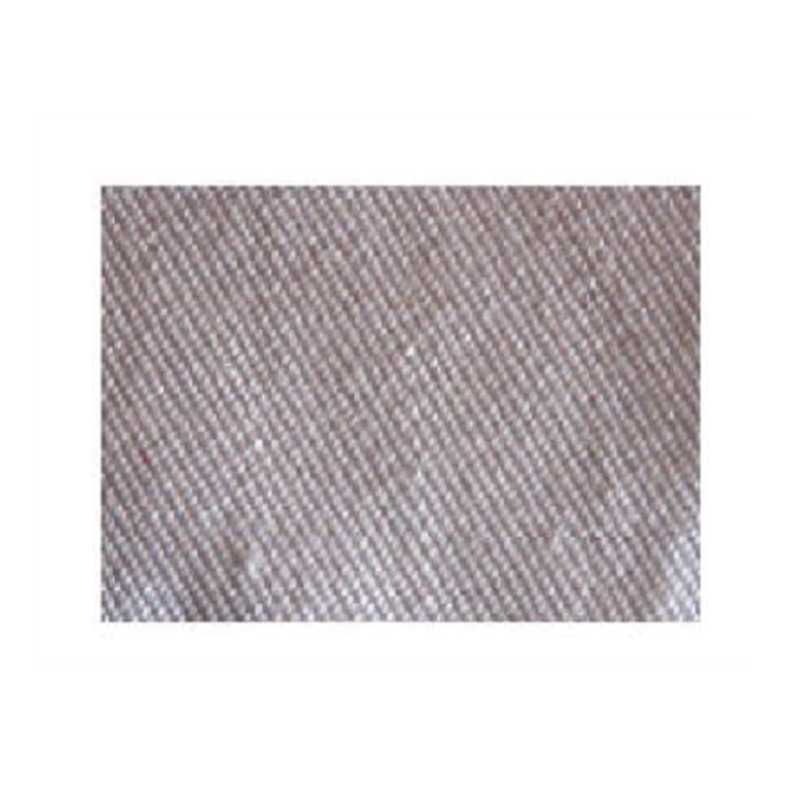
- Clean filter cloths regularly using water or chemical cleaning agents suitable for the process.
- Replace severely clogged filter cloths when cleaning is no longer effective.
- Select filter cloth materials with the appropriate pore size and chemical resistance.
- Optimize slurry pretreatment to reduce excessive fine particles.
|
Symptoms |
Recommended Solution |
|
Slow filtration |
Clean or replace filter cloth |
|
High operating pressure |
Remove accumulated deposits |
|
Reduced filtrate flow |
Choose a more suitable filter cloth material |
2. Excessive Moisture in the Filter Cake
A filter cake with high moisture content increases transportation costs, drying time, and disposal expenses. It may also affect downstream production processes.
Common Causes
- Insufficient filtration time
- Low feed pressure
- Worn filter cloth
- Inadequate cake compression
- Incorrect equipment selection
Solutions
- Extend the filtration cycle.
- Increase feed pressure within the recommended operating range.
- Replace worn filter cloths.
- Consider upgrading to a membrane filter press for applications requiring lower cake moisture.
- Inspect filter plates to ensure proper sealing and pressure distribution.
3. Slurry Leakage Between Filter Plates
Slurry leakage around the edges of filter plates reduces filtration efficiency, creates housekeeping issues, and may lead to product loss.
Common Causes
- Damaged filter cloth
- Improper filter cloth installation
- Worn sealing surfaces
- Insufficient hydraulic pressure
- Misaligned filter plates
Solutions
- Inspect and replace damaged filter cloths.
- Ensure filter cloths are installed correctly without wrinkles.
- Check hydraulic pressure before each production cycle.
- Clean sealing surfaces regularly.
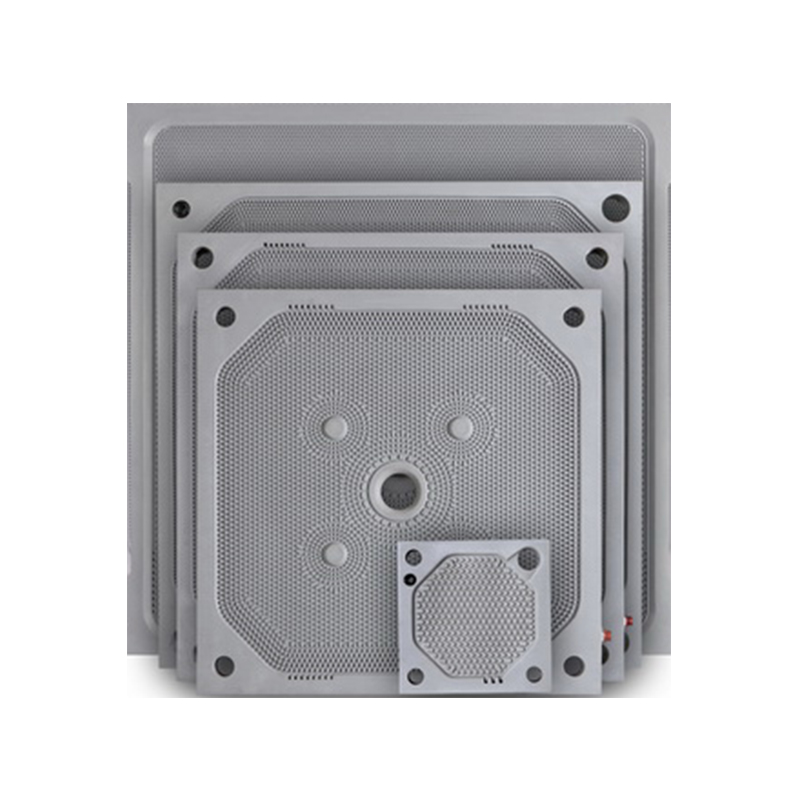
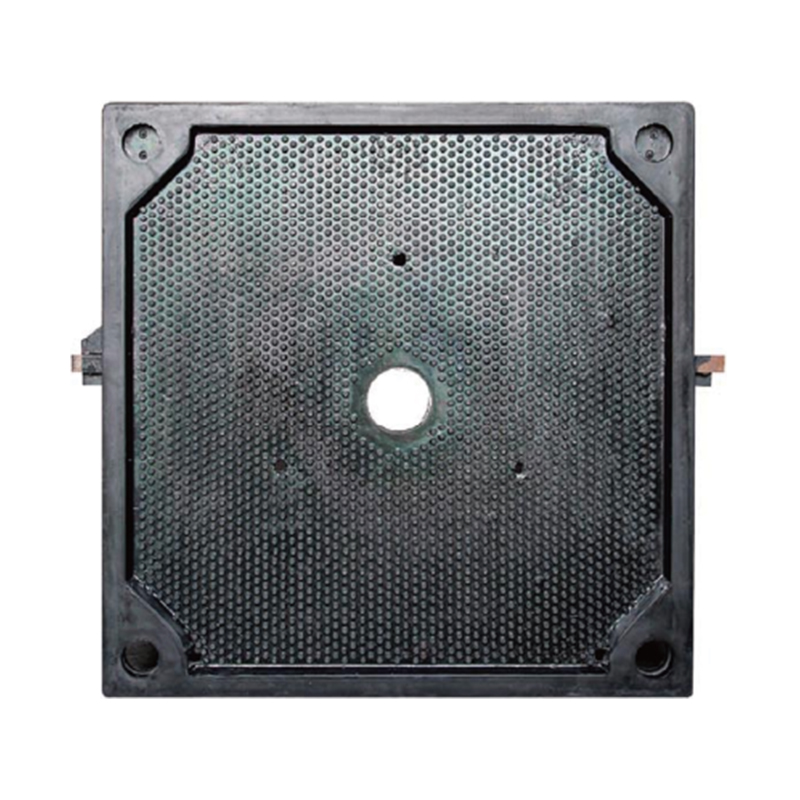
- Replace damaged filter plates if necessary.
4. Uneven Filter Cake Formation
Uniform filter cake thickness is essential for efficient filtration and cake discharge. Uneven cake formation often indicates issues with slurry distribution or equipment condition.
Common Causes
- Uneven slurry feed
- Blocked feed ports
- Damaged filter plates
- Unequal hydraulic pressure
Solutions
- Clean slurry feed channels.
- Inspect filter plates for wear or damage.
- Maintain consistent feed pressure.
- Balance slurry flow throughout the filter press.
5. Slow Filtration Speed
When filtration takes longer than expected, production efficiency decreases and operating costs increase.
Common Causes
- Clogged filter cloth
- Low feed pressure
- High slurry viscosity
- Excessively fine particles
- Poor filter cloth selection
Solutions
- Clean or replace filter cloths.
- Optimize slurry conditioning using flocculants when appropriate.
- Increase feed pressure within equipment limits.
- Select filter cloths with higher permeability for suitable applications.
|
Problem |
Possible Cause |
Solution |
|
Slow filtration |
Cloth blockage |
Clean filter cloth |
|
Long filtration cycle |
Low feed pressure |
Increase pressure |
|
Poor filtrate flow |
High slurry viscosity |
Improve slurry conditioning |
6. Filter Cake Sticking to the Filter Cloth
Filter cake should release easily when the filter press opens. Sticky cakes increase cleaning time and reduce production efficiency.
Common Causes
- High clay or fine-particle content
- Sticky chemical compositions
- Improper filter cloth surface finish
- Incomplete cake drying
Solutions
- Select filter cloths with anti-adhesion surface properties.
- Increase cake drying time.
- Adjust slurry chemistry when possible.
- Use membrane squeezing to reduce residual moisture.
7. Frequent Filter Cloth Damage
Filter cloth is a consumable component, but premature damage often indicates operational problems.
Common Causes
- Excessive operating pressure
- Sharp particles in slurry
- Incorrect installation
- Chemical corrosion
- Mechanical abrasion
Solutions
- Use filter cloth materials resistant to abrasion and chemicals.
- Avoid operating above the recommended pressure.
- Train operators on proper installation procedures.
- Inspect cloth tension regularly.
8. Hydraulic Pressure Instability
The hydraulic system maintains the sealing force between filter plates. Pressure fluctuations can lead to leakage, poor filtration, and equipment failure.
Common Causes
- Hydraulic oil leakage
- Pump wear
- Faulty pressure valves
- Air entering the hydraulic system
Solutions
- Inspect hydraulic cylinders and hoses regularly.
- Replace worn seals immediately.
- Monitor hydraulic oil quality.
- Service pumps according to the manufacturer’s maintenance schedule.
9. Damaged or Deformed Filter Plates
Filter plates are subjected to repeated pressure cycles. Over time, they may crack, warp, or become damaged.
Common Causes
- Excessive operating pressure
- Improper plate handling
- Material fatigue
- Chemical attack
Solutions
- Perform routine inspections.
- Replace damaged filter plates promptly.
- Avoid exceeding design pressure.
- Store spare plates correctly to prevent deformation.
10. Poor Filtrate Quality
Cloudy filtrate or excessive suspended solids indicate that filtration performance has declined.
Common Causes
- Torn filter cloth
- Improper cloth selection
- Plate sealing failure
- Excessively high feed rate
Solutions
- Replace damaged filter cloths immediately.
- Select filter media appropriate for particle size.
- Verify filter plate alignment.
- Adjust slurry feed rate to optimize filtration performance.
|
Filtrate Issue |
Recommended Action |
|
Cloudy filtrate |
Replace damaged filter cloth |
|
Solid particles in filtrate |
Check filter plate sealing |
|
Low filtrate clarity |
Select finer filter media |
Best Practices to Prevent Filter Press Filter Problems
Preventive maintenance is the most effective way to reduce downtime and extend the service life of filter press equipment. A well-planned maintenance program can improve filtration efficiency while lowering long-term operating costs.
Recommended maintenance practices include:
- Inspect filter cloths before every production cycle.
- Clean filter cloths regularly to prevent pore blockage.
- Monitor hydraulic pressure and sealing performance.
- Check filter plates for cracks or deformation.
- Lubricate moving components according to the maintenance schedule.
- Replace worn seals and damaged accessories promptly.
- Train operators on correct operating procedures.
- Keep detailed maintenance records to identify recurring issues.
Implementing these practices helps maintain consistent filtration performance and minimizes unexpected equipment failures.
FAQ
Q1: How often should filter press filter cloths be replaced?
The replacement interval depends on the slurry type, operating pressure, and maintenance practices. Under normal industrial conditions, filter cloths should be inspected after each filtration cycle and replaced when they become clogged, damaged, or lose filtration efficiency.
Q2: Why is my filter cake still too wet after filtration?
Common causes include insufficient filtration time, low feed pressure, worn filter cloths, or the limitations of a chamber filter press. If very low moisture content is required, upgrading to a membrane filter press may provide better dewatering performance.
Q3: What is the most common cause of slurry leakage in a filter press?
Slurry leakage is typically caused by damaged filter cloths, misaligned filter plates, worn sealing surfaces, or inadequate hydraulic pressure. Regular inspection and proper installation can effectively prevent leakage.
Q4: How can I improve the filtration efficiency of my filter press?
Improving filtration efficiency involves selecting the correct filter cloth, maintaining clean filter media, optimizing slurry conditioning, monitoring operating pressure, and performing routine maintenance on filter plates and hydraulic systems.
Q5: How do I choose the right filter press filter for my application?
The ideal filter press filter depends on several factors, including slurry composition, particle size, operating temperature, chemical compatibility, desired cake moisture content, and production capacity. Consulting with an experienced filtration equipment manufacturer can help ensure the best selection for your specific process.
Contact Information
 No. 1, Sudong Road, Guxi Town, Taixing, Jiangsu, China
 +86-15720778188
 +86-523-87791016
 +86-523-87797781
 [email protected]

;void(0))