

 English
 Español
 हिंदी
हिंदी Tiếng Việt
Industry News

Tips for Maximizing Chamber Filter Press Productivity
 2026.07.27
 Industry News
Content
- 1 Understand Your Slurry Characteristics
- 2 Choose the Right Filter Cloth
- 3 Optimize Feed Pressure
- 4 Control the Filtration Cycle Time
- 5 Keep Filter Cloths Clean
- 6 Inspect Filter Plates Regularly
- 7 Reduce Equipment Downtime Through Preventive Maintenance
- 8 Improve Slurry Distribution
- 9 Train Operators Properly
- 10 Monitor Performance Data
- 11 Upgrade Equipment When Necessary
- 12 FAQ
A Chamber Filter Press is one of the most widely used pieces of equipment for solid-liquid separation in industries such as wastewater treatment, mining, chemicals, food processing, pharmaceuticals, and ceramics. Known for its reliable operation, cost-effectiveness, and robust construction, a chamber filter press can deliver excellent filtration performance when properly operated and maintained.
However, simply installing high-quality equipment is not enough to achieve maximum productivity. Factors such as slurry characteristics, filter cloth selection, operating pressure, maintenance practices, and operator training all influence the efficiency of the filtration process. Even small improvements in these areas can significantly increase throughput, reduce downtime, lower operating costs, and extend equipment service life.
Understand Your Slurry Characteristics
Every filtration process begins with the slurry. The physical and chemical properties of the material being filtered directly affect filtration speed, cake formation, moisture content, and overall equipment performance.
Before operating a chamber filter press, evaluate important slurry parameters such as particle size distribution, solids concentration, viscosity, pH value, and chemical composition. Slurries with extremely fine particles or high viscosity generally require longer filtration cycles and may benefit from pretreatment.
In some applications, adding flocculants or coagulants can improve particle aggregation, allowing liquid to pass through the filter cloth more easily while producing a stronger and more uniform filter cake.
|
Slurry Characteristic |
Impact on Productivity |
|
Particle size |
Influences filtration speed |
|
Solid concentration |
Affects cake thickness |
|
Viscosity |
Determines flow resistance |
|
Chemical composition |
Influences filter cloth selection |
|
Temperature |
Affects slurry fluidity |
Understanding your slurry allows you to optimize filtration conditions before production begins.
Choose the Right Filter Cloth
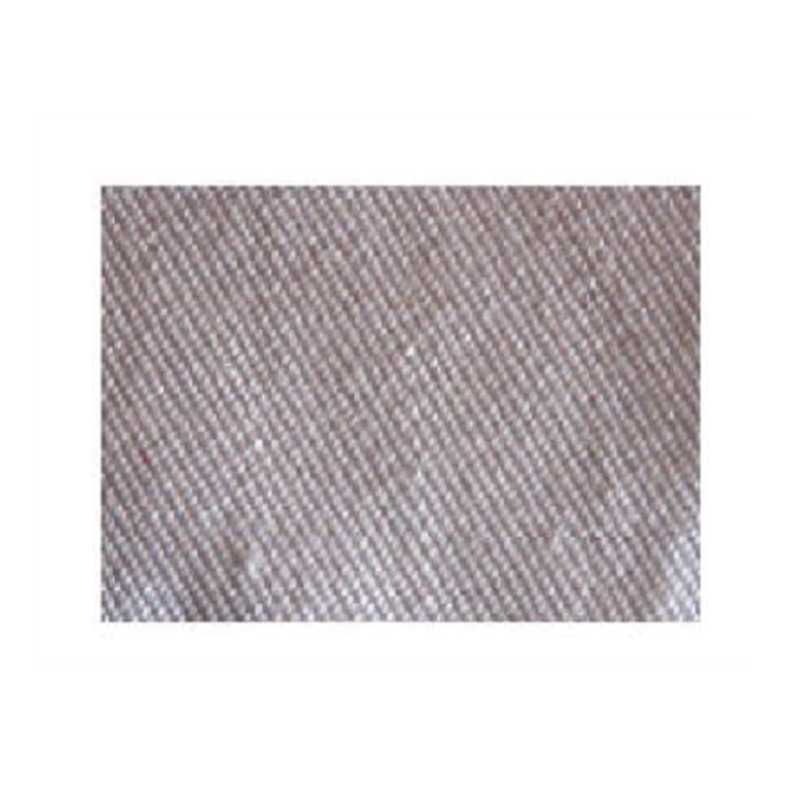
The filter cloth is one of the most important components of any chamber filter press. Its material, weave pattern, pore size, and chemical resistance determine filtration efficiency and filtrate quality.
Selecting an inappropriate filter cloth can result in clogged pores, excessive cake moisture, poor filtrate clarity, or shortened service life.
When choosing a filter cloth, consider:
- Particle size of the slurry
- Required filtration accuracy
- Operating temperature
- Chemical compatibility
- Cake release performance
- Abrasion resistance
Routine inspection and timely replacement of worn filter cloths help maintain consistent filtration efficiency and reduce unplanned downtime.
Optimize Feed Pressure
Feed pressure plays a crucial role in the filtration process. Insufficient pressure may prevent the chambers from filling completely, while excessive pressure can damage filter cloths, deform filter plates, or reduce equipment lifespan.
Operators should gradually increase feed pressure according to the equipment manufacturer’s recommendations and the characteristics of the slurry being processed.
Maintaining stable pressure throughout the filtration cycle ensures even cake formation and efficient liquid removal.
Control the Filtration Cycle Time
Longer filtration cycles do not always result in better performance. Once the filter cake reaches its optimum thickness, additional filtration often produces only marginal improvements while reducing overall productivity.
Monitor production data to determine the most efficient filtration cycle for each application.
Key indicators include:
- Filtrate flow rate
- Cake moisture content
- Chamber filling efficiency
- Cycle duration
- Production output
Optimizing cycle time can significantly increase the number of filtration cycles completed each day.
Keep Filter Cloths Clean
Over time, fine particles accumulate inside the filter cloth pores, reducing permeability and slowing filtration.
Regular cleaning prevents clogging and maintains consistent filtrate flow.
Depending on the application, cleaning methods may include:
- High-pressure water washing
- Chemical cleaning
- Ultrasonic cleaning
- Automated cloth washing systems
Developing a scheduled cleaning program helps extend filter cloth life while maintaining production efficiency.
Inspect Filter Plates Regularly
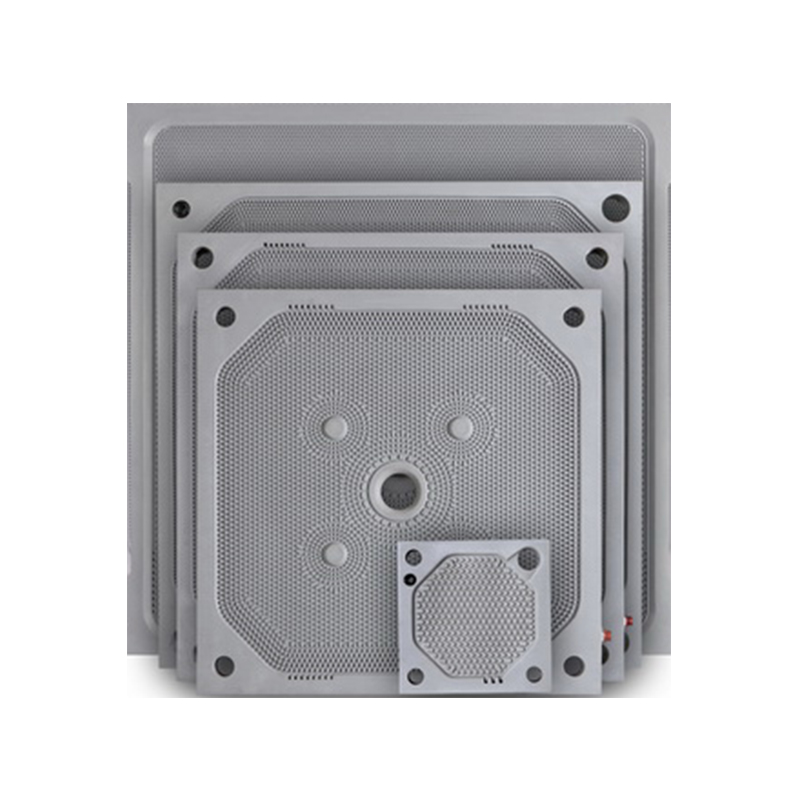
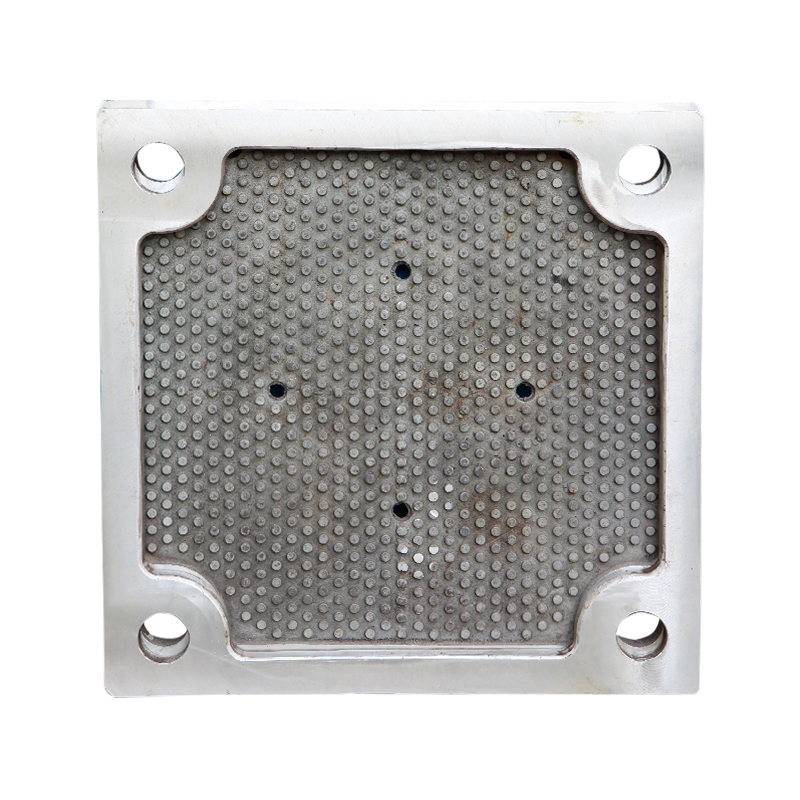
Filter plates operate under high mechanical pressure during every filtration cycle. Cracks, deformation, or damaged sealing surfaces can cause slurry leakage, uneven cake formation, and filtration inefficiency.
Routine inspections should include:
- Plate surface condition
- Feed port cleanliness
- Sealing edge integrity
- Alignment accuracy
Damaged filter plates should be repaired or replaced promptly to avoid further equipment damage.
Reduce Equipment Downtime Through Preventive Maintenance
Unexpected shutdowns often have a greater impact on productivity than slower filtration cycles.
Implementing preventive maintenance helps identify minor issues before they become major failures.
A maintenance checklist should include:
- Hydraulic system inspection
- Seal replacement
- Lubrication of moving components
- Hydraulic oil monitoring
- Fastener inspection
- Electrical system testing
Preventive maintenance improves equipment reliability while reducing repair costs.
|
Maintenance Item |
Recommended Frequency |
|
Filter cloth inspection |
Every filtration cycle |
|
Plate inspection |
Weekly |
|
Hydraulic system inspection |
Monthly |
|
Seal replacement |
As needed |
|
Complete equipment inspection |
Annually |
Improve Slurry Distribution
Uneven slurry distribution inside the filter chambers results in inconsistent cake thickness and longer filtration times.
Ensure that:
- Feed channels remain unobstructed.
- Slurry pumps deliver stable flow rates.
- Distribution ports are cleaned regularly.
- Feed pressure remains consistent throughout the cycle.
Balanced slurry distribution improves chamber utilization and shortens overall filtration time.
Train Operators Properly
Even advanced filtration equipment cannot achieve optimal performance without skilled operators.
Operator training should cover:
- Equipment startup procedures
- Pressure monitoring
- Filter cloth installation
- Plate alignment
- Cleaning procedures
- Emergency shutdown protocols
- Routine inspection methods
Well-trained personnel are more likely to identify potential issues early and operate the equipment efficiently.
Monitor Performance Data
Modern chamber filter press systems often include monitoring devices that provide valuable operational data.
Tracking key performance indicators allows manufacturers to identify trends and optimize production over time.
Important metrics include:
- Filtration cycle duration
- Feed pressure
- Hydraulic pressure
- Cake moisture content
- Filtrate clarity
- Equipment downtime
- Filter cloth service life
Using historical production data makes it easier to schedule maintenance and improve long-term productivity.
Upgrade Equipment When Necessary
As production demands increase, older chamber filter press systems may no longer meet efficiency requirements.
Upgrading equipment can improve:
- Automation
- Hydraulic control accuracy
- Plate shifting speed
- Energy efficiency
- Monitoring capabilities
- Safety performance
In applications requiring extremely low cake moisture, upgrading to a membrane filter press may further improve dewatering performance while reducing drying costs.
FAQ
Q1: How can I increase the filtration speed of a chamber filter press?
Improving filtration speed typically involves selecting the correct filter cloth, optimizing feed pressure, conditioning the slurry with flocculants when appropriate, and keeping the filter cloth clean to maintain permeability.
Q2: How often should filter cloths be cleaned?
Filter cloths should be inspected after every filtration cycle and cleaned regularly based on slurry characteristics. Processes involving fine particles or sticky materials generally require more frequent cleaning.
Q3: What causes uneven filter cake formation?
Uneven cake formation is commonly caused by blocked feed ports, unstable slurry flow, damaged filter plates, or inconsistent feed pressure. Regular inspection and proper maintenance help prevent this issue.
Q4: Is preventive maintenance important for chamber filter presses?
Yes. Preventive maintenance reduces unexpected downtime, extends equipment service life, improves filtration efficiency, and lowers long-term repair costs.
Q5: When should a chamber filter press be upgraded?
An upgrade should be considered when production capacity increases, maintenance costs become excessive, automation requirements change, or lower filter cake moisture is needed to improve downstream processing efficiency.

Contact Information
 No. 1, Sudong Road, Guxi Town, Taixing, Jiangsu, China
 +86-15720778188
 +86-523-87791016
 +86-523-87797781
 [email protected]

;void(0))