

 English
 Español
 हिंदी
हिंदी Tiếng Việt
Industry News
 Home / News / Industry News / How Can Filter Press Plates Improve Filtration Speed and Cake Quality?
 How Can Filter Press Plates Improve Filtration Speed and Cake Quality?
 2026.05.04
 Industry News
Content
- 1 What Are Filter Press Plates?
- 2 How Filter Press Plates Influence Filtration Speed
- 3 How Filter Press Plates Improve Cake Quality
- 4 Advantages of Optimized Filter Press Plates
- 5 Factors to Consider When Selecting Filter Press Plates
- 6 Maintenance Practices for Filter Press Plates
- 7 Common Issues with Filter Press Plates and Solutions
- 8 FAQ: Filter Press Plates
- 9 References
Filter presses are indispensable in industries such as wastewater treatment, chemical processing, mining, and pharmaceuticals. At the heart of a filter press is the filter press plate, a component that directly affects both the filtration speed and the quality of the filter cake. The right plate type, design, and maintenance practices can make a dramatic difference in operational efficiency and product quality.
What Are Filter Press Plates?
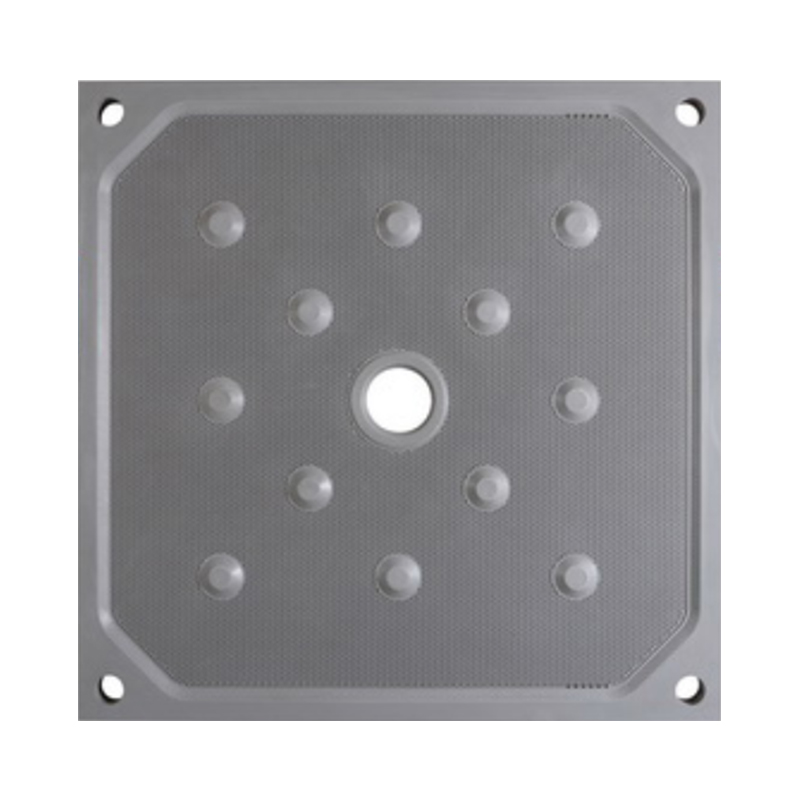
Filter press plates are the structural units that form filtration chambers in a filter press system. Each plate, along with the filter cloth, creates a separate compartment where the slurry is dewatered.
Components of a Filter Press Plate
- Plate Body:The main support structure, usually made of polypropylene, stainless steel, or composite materials.
- Filter Cloth Support:A recessed or flat surface that holds the filter cloth in place.
- Filtration Chambers:Areas between plates where solids collect.
- Drainage Channels:Channels or grooves that allow filtrate to exit efficiently during operation.
- Membrane Layer (optional):Flexible membranes used in some plates to compress cake and improve dryness.
Types of Filter Press Plates
1. Chamber Plates
- Design:Recessed to form a chamber for holding sludge.
- Use:Ideal for high solid content slurries.
- Advantage:Provides larger cake volume per chamber.
2. Membrane Plates
- Design:Include a flexible membrane over the filtration area.
- Use:Applied when maximum cake dryness is required.
- Advantage:Compresses the cake after filtration to remove additional water, increasing efficiency.
3. Solid or Perforated Plates
- Use:For specific applications requiring flow control or chemical resistance.
- Advantage:Durable and suitable for harsh conditions.
How Filter Press Plates Influence Filtration Speed
The filtration speed in a filter press depends largely on plate design, surface area, and chamber depth.
Plate Design and Channeling
- Optimized drainage channels allow filtrate to exit faster.
- Membrane plates can apply additional pressure, squeezing water out of the cake more efficiently.
Surface Area
- Larger plates create a greater filtration area, allowing more slurry to be processed per cycle.
- Increased surface area reduces the time per batch and increases throughput.
Chamber Depth
- Shallow chambers:Faster filtration but smaller cake volume.
- Deep chambers:Larger cake volume but require longer filtration cycles.
- The optimal chamber depth depends on slurry characteristics and production goals.
How Filter Press Plates Improve Cake Quality
Cake quality refers to the uniformity, dryness, and structural stability of the solids after filtration. High-quality plates play a key role in achieving these outcomes.
Uniform Compression
- Membrane plates provide even pressure across the cake, preventing cracks and uneven moisture distribution.
- Uniform compression ensures easier cake handling and consistent quality.
Material Selection
- Polypropylene plates:Lightweight, corrosion-resistant, ideal for chemical sludges.
- Stainless steel plates:Strong, durable, suitable for abrasive or high-temperature slurries.
- Correct material selection prevents contamination and prolongs plate life.
Filtration Chamber Design
- Well-designed chambers minimize channeling, ensuring that all slurry passes through the filter cloth.
- Proper plate spacing ensures even cake thickness and consistent moisture content.
Advantages of Optimized Filter Press Plates
|
Feature |
Benefit |
|
Membrane Compression |
Reduces cake moisture by 3–10% |
|
Larger Surface Area |
Increases filtration capacity and speed |
|
Durable Material |
Handles abrasive, high-temperature, or corrosive slurries |
|
Uniform Pressure Distribution |
Produces consistent, high-quality cakes |
|
Easy Maintenance |
Reduces downtime and maintains continuous operation |
Factors to Consider When Selecting Filter Press Plates
Slurry Properties
- High solids slurries need deep chamber plates.
- Sticky or fibrous slurries benefit from smooth, non-adhesive plate surfaces.
Operating Pressure
- High-pressure systems benefit from membrane platesfor enhanced cake dryness.
- Low-pressure systems can efficiently use standard chamber plates.
Filtration Objectives
- Cake dryness:Membrane plates compress the cake after filtration.
- High throughput:Larger plates or plates with increased surface area are preferable.
Compatibility with Existing Equipment
- Plate thickness and hole configuration must match the press.
- Ensures smooth assembly, proper sealing, and optimal filtration performance.
Maintenance Practices for Filter Press Plates
Even the most advanced plates require proper care to maintain filtration speed and cake quality.
Cleaning
- Remove solids buildup from the filter cloth and plate surfaces.
- Regular cleaning prevents clogging and maintains consistent drainage.
Inspection
- Check for cracks, warping, or wear, especially in polypropylene plates.
- Replace damaged plates to prevent leaks and uneven cakes.
Cloth Maintenance
- Replace filter cloths regularly.
- Ensure proper tension to avoid slurry bypass and maintain cake uniformity.
Alignment and Pressure Checks
- Misaligned plates can cause uneven cake formation or leakage.
- Hydraulic systems should be checked to maintain correct pressure levels.
Common Issues with Filter Press Plates and Solutions
1.Slow Filtration
- Causes: Clogged cloth, improper plate alignment.
- Solution: Clean cloths, inspect alignment, and check drainage channels.
2.Uneven Cake Formation
- Causes: Worn plates, inconsistent pressure, channeling.
- Solution: Replace worn plates, adjust chamber spacing, or use membrane plates.
3.Leakage Between Plates
- Causes: Cracks, warped plates, or missing gaskets.
- Solution: Replace damaged plates and inspect sealing gaskets.
FAQ: Filter Press Plates
Q1: How do membrane plates improve cake dryness?
A1: They compress the cake after initial filtration, removing additional water and reducing moisture content by up to 10%.
Q2: How often should filter press plates be replaced?
A2: Polypropylene plates typically last 3–7 years, while stainless steel plates can last 10–15 years under normal operating conditions.
Q3: Can filter press plates handle abrasive slurries?
A3: Yes, stainless steel and reinforced polypropylene plates are suitable for abrasive materials.
Q4: Does plate size affect filtration speed?
A4: Yes, larger plates provide more surface area for filtration, increasing throughput and reducing cycle time.
Q5: How can consistent cake quality be ensured?
A5: Properly aligned plates, maintained filter cloths, and membrane plates for uniform compression are essential.
References
- Li, H., & Zhang, W. (2021). Advances in Filter Press Technology. Journal of Water Process Engineering, 39, 101678.
- Xu, P., & Liu, J. (2020). Membrane Filter Press Applications in Industrial Dewatering. Chemical Engineering Journal, 392, 123456.
- Perry, R. H., & Green, D. W. (2018). Perry’s Chemical Engineers’ Handbook, 9th Edition. McGraw-Hill Education.
- American Water Works Association. (2019). Manual on Sludge Treatment and Disposal. AWWA Publications.

Contact Information
 No. 1, Sudong Road, Guxi Town, Taixing, Jiangsu, China
 +86-15720778188
 +86-523-87791016
 +86-523-87797781
 [email protected]

;void(0))