

 English
 Español
 हिंदी
हिंदी Tiếng Việt
Industry News
 Home / News / Industry News / Why Is a Chamber Filter Press Essential for Chemical Processing Industries?
 Why Is a Chamber Filter Press Essential for Chemical Processing Industries?
 2026.05.11
 Industry News
Content
- 0.1 Understanding the Role of Chamber Filter Press in Chemical Manufacturing
- 0.2 How Does a Chamber Filter Press Work in Chemical Applications?
- 0.3 Why Chemical Industries Depend on Chamber Filter Press Systems
- 0.4 Applications of Chamber Filter Press in Different Chemical Sectors
- 0.5 Key Features That Make Chamber Filter Press Systems Highly Efficient
- 0.6 How Chamber Filter Press Technology Supports Sustainable Manufacturing
- 0.7 Choosing the Right Chamber Filter Press for Chemical Applications
- 0.8 Future Trends in Chamber Filter Press Technology
- 1 FAQ
- 1.1 What is the main purpose of a Chamber Filter Press in chemical industries?
- 1.2 Why is cake dryness important in chemical processing?
- 1.3 Can Chamber Filter Press systems handle corrosive chemicals?
- 1.4 Is automation available for Chamber Filter Press equipment?
- 1.5 Which industries commonly use Chamber Filter Press technology?
Understanding the Role of Chamber Filter Press in Chemical Manufacturing
In modern chemical processing industries, solid-liquid separation is one of the most critical operational steps. Whether producing specialty chemicals, pigments, fertilizers, pharmaceuticals, or industrial intermediates, manufacturers must efficiently separate solids from liquids to ensure product purity, recover valuable materials, and comply with environmental regulations. This is where the Chamber Filter Press becomes an indispensable piece of equipment.
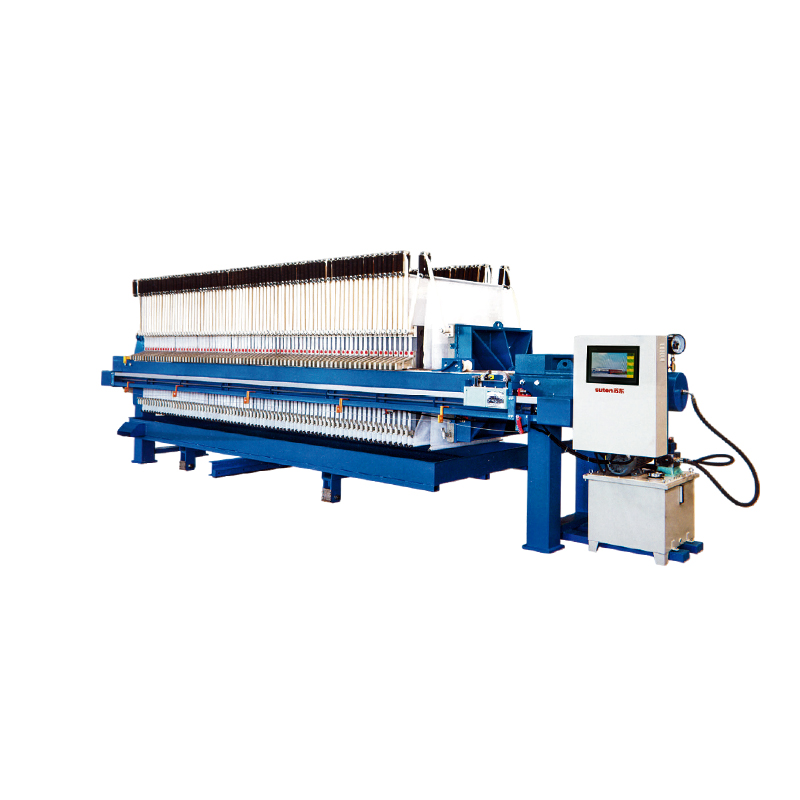
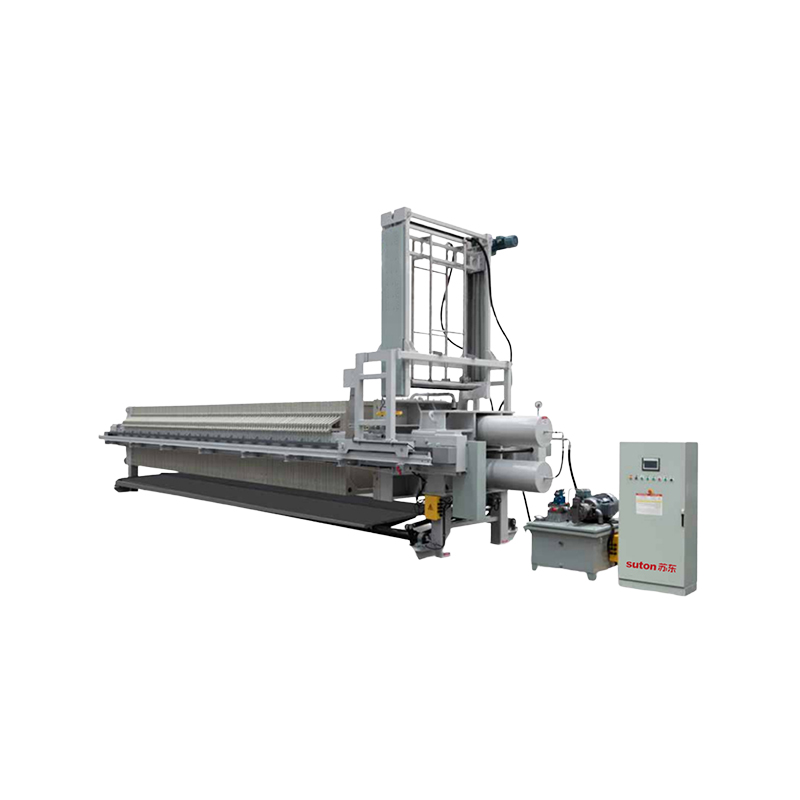
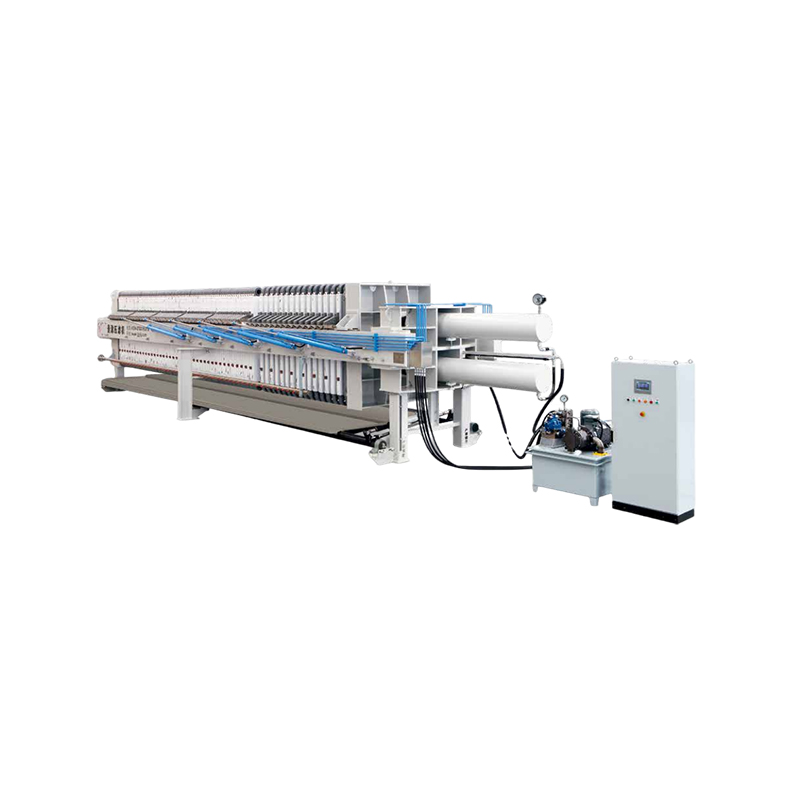
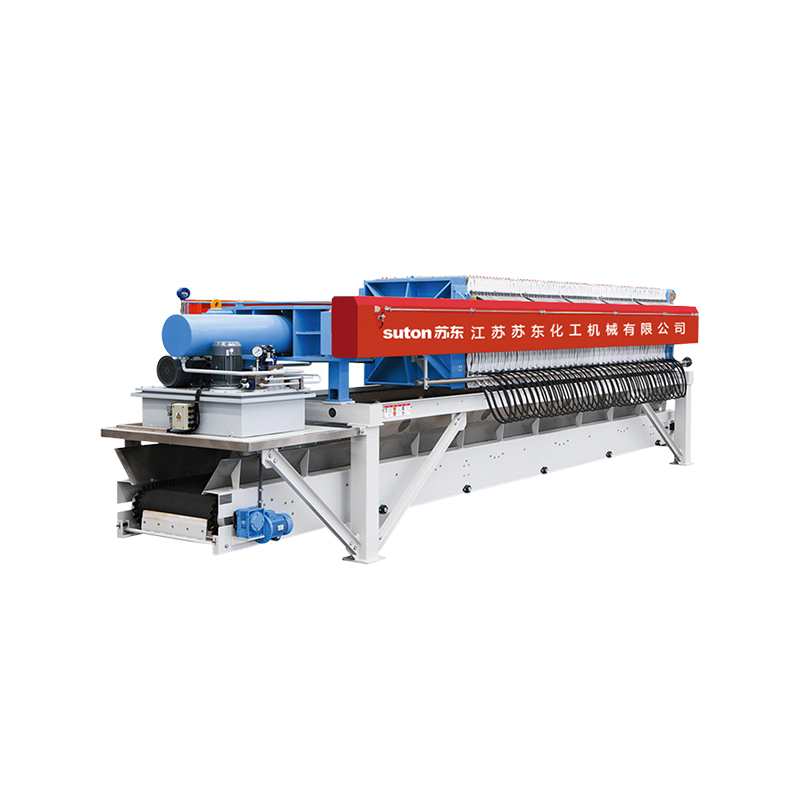
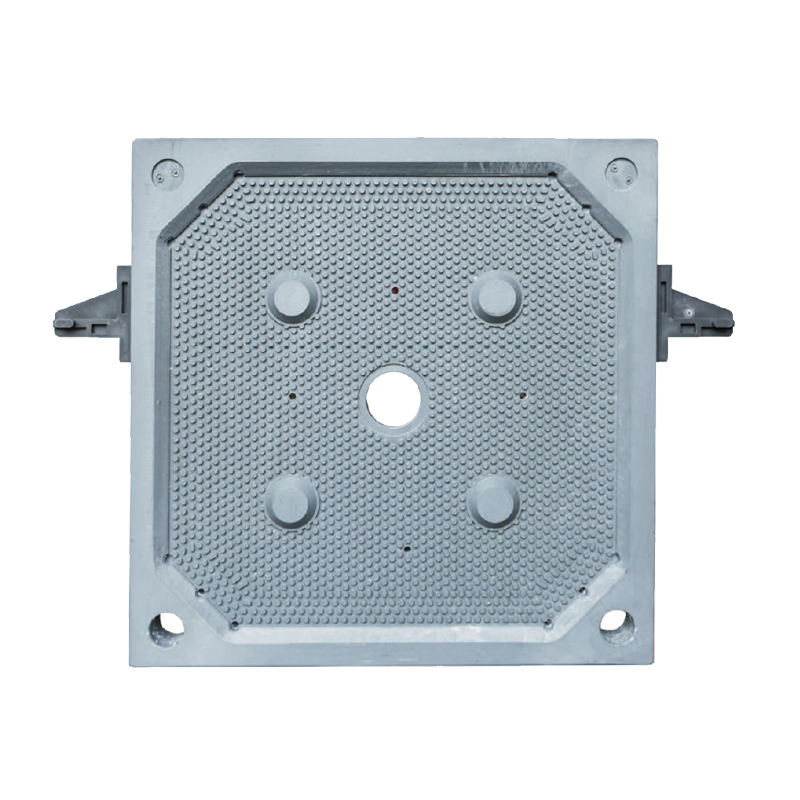
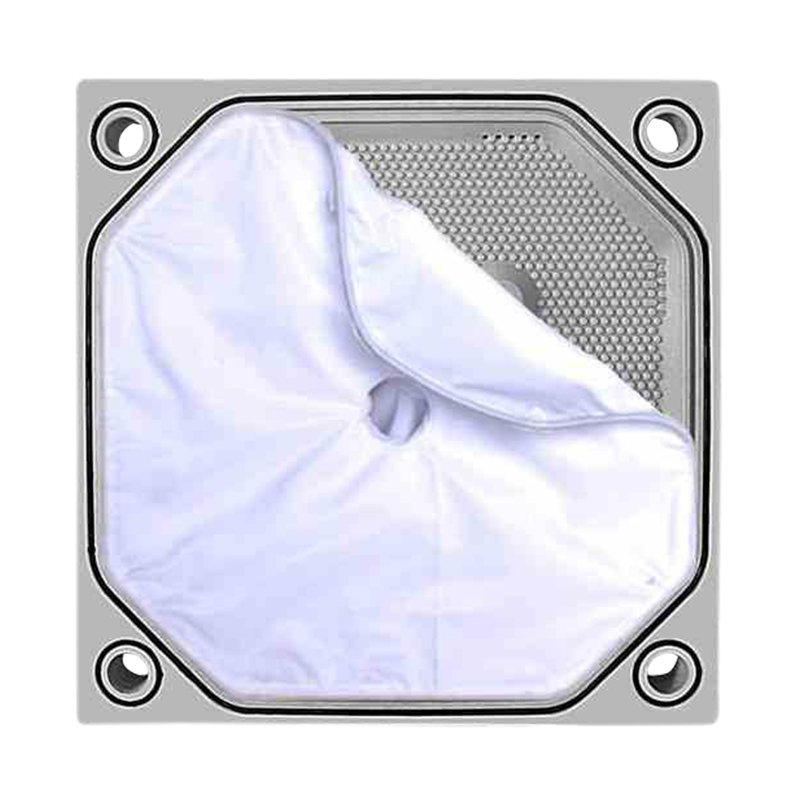
A Chamber Filter Press is a pressure filtration device designed to separate suspended solids from liquids through a series of filter plates and filter cloths. During operation, slurry is pumped into the filter chambers under high pressure. Solid particles are retained inside the chambers, forming filter cakes, while clarified liquid passes through the filter media and exits the system.
Chemical industries often handle highly corrosive, viscous, or hazardous materials. Traditional filtration methods may struggle to achieve the required filtration accuracy, moisture reduction, or operational stability. Chamber filter presses provide a reliable solution because they offer:
- High filtration pressure
- Excellent cake dryness
- Strong adaptability to different chemical slurries
- Low operating costs
- Efficient wastewater treatment capabilities
For companies engaged in chemical production, maintaining consistent product quality and minimizing production downtime are essential. A properly designed Chamber Filter Press helps achieve both objectives while improving resource utilization and environmental sustainability.
How Does a Chamber Filter Press Work in Chemical Applications?
The filtration process in chemical industries typically involves several stages. First, slurry containing suspended solids is pumped into the filter press chambers. The filter plates create sealed compartments where solids accumulate over time. As pressure builds, liquids are forced through the filter cloth while solids remain trapped.
The filtration cycle generally includes:
|
Filtration Stage |
Function |
Benefit |
|
Slurry Feeding |
Pumps slurry into chambers |
Ensures uniform filling |
|
Pressure Filtration |
Separates solids and liquids |
Improves filtration efficiency |
|
Cake Formation |
Builds compact solid cake |
Reduces moisture content |
|
Cake Discharge |
Removes filtered solids |
Simplifies waste handling |
|
Cloth Cleaning |
Cleans filter media |
Maintains long-term performance |
One major advantage of chamber filter presses in chemical plants is their ability to operate under high pressure conditions. This allows for efficient dewatering even when handling fine particles or difficult-to-filter materials.
In industries where chemical reactions generate large amounts of sludge, filtration efficiency directly impacts production costs. By producing drier filter cakes, chamber filter presses reduce disposal expenses and improve downstream processing efficiency.
Why Chemical Industries Depend on Chamber Filter Press Systems
Chemical manufacturing environments demand equipment that can withstand aggressive operating conditions. Many chemical slurries contain acids, alkalis, solvents, or abrasive particles that rapidly damage conventional filtration systems. Chamber filter presses are designed with corrosion-resistant materials and durable structural components to handle these challenges.
Several key reasons explain why chemical processing plants heavily rely on chamber filter press technology:
High Filtration Efficiency
Chemical products often require extremely low impurity levels. Chamber filter presses provide excellent separation performance, producing high-quality filtrate with minimal suspended solids.
This is especially important in industries such as:
- Fine chemicals
- Pharmaceutical intermediates
- Dye and pigment production
- Agrochemicals
- Petrochemicals
The high-pressure filtration mechanism ensures consistent product quality while minimizing material losses.
Reduced Waste Disposal Costs
Waste management is a major operational expense in chemical industries. Wet sludge occupies more storage space, increases transportation costs, and raises disposal fees.
By significantly reducing the moisture content of filter cakes, chamber filter presses help companies lower waste handling expenses. Drier cakes are easier to transport, store, recycle, or incinerate.
Improved Resource Recovery
Many chemical processes involve valuable catalysts, minerals, solvents, or reaction byproducts. Efficient filtration allows manufacturers to recover reusable materials from process streams.
This improves raw material utilization and contributes to more sustainable production practices.
Compliance with Environmental Regulations
Environmental regulations governing industrial wastewater discharge are becoming increasingly strict worldwide. Chemical manufacturers must remove suspended solids and contaminants before releasing wastewater into municipal systems or natural water bodies.
Chamber filter presses support environmental compliance by improving sludge dewatering and wastewater clarification efficiency.
Applications of Chamber Filter Press in Different Chemical Sectors
Chamber filter presses are widely used across multiple chemical processing sectors due to their versatility and reliability.
Pharmaceutical and Fine Chemicals
Pharmaceutical production requires extremely pure filtration processes. Chamber filter presses help remove impurities while protecting sensitive products from contamination.
Common applications include:
- Antibiotic production
- API manufacturing
- Fermentation residue filtration
- Chemical crystallization processes
Pigment and Dye Manufacturing
Pigment and dye production generates large quantities of fine particles that require precise filtration. Chamber filter presses efficiently separate pigments from liquid carriers while maintaining color consistency.
Fertilizer Industry
Fertilizer production often involves slurry handling and byproduct recovery. Chamber filter presses help reduce waste while improving product concentration.
Mining and Metallurgical Chemicals
Chemical processes used in mining frequently require filtration of mineral slurries and tailings. Chamber filter presses help recover valuable minerals while reducing environmental impact.
Key Features That Make Chamber Filter Press Systems Highly Efficient
Modern chamber filter press systems integrate advanced automation and intelligent control technologies to improve productivity and reduce labor requirements.
Important features include:
|
Feature |
Advantage |
|
Automatic Plate Shifting |
Reduces manual labor |
|
PLC Control System |
Improves operational stability |
|
High Pressure Filtration |
Enhances cake dryness |
|
Corrosion-Resistant Materials |
Extends equipment lifespan |
|
Automatic Cloth Washing |
Reduces maintenance downtime |
|
Hydraulic Compression System |
Ensures stable sealing performance |
These advanced features allow chemical plants to maintain continuous and reliable operation even under demanding production conditions.
How Chamber Filter Press Technology Supports Sustainable Manufacturing
Sustainability has become a central focus in the chemical industry. Manufacturers are actively seeking technologies that reduce waste generation, conserve water, and improve energy efficiency.
Chamber filter presses contribute to sustainable manufacturing by:
- Reducing wastewater discharge
- Improving water recycling rates
- Lowering sludge transportation requirements
- Recovering reusable materials
- Minimizing chemical losses
- Supporting cleaner production processes
As environmental standards continue to tighten, efficient filtration systems will play an increasingly important role in chemical plant operations.
Choosing the Right Chamber Filter Press for Chemical Applications
Selecting the correct chamber filter press requires careful evaluation of several operating factors:
Slurry Characteristics
Different chemical slurries vary in particle size, viscosity, corrosiveness, and solid concentration. These properties influence filtration performance and equipment selection.
Filtration Capacity
Production scale determines the required filtration area and chamber volume. Larger plants typically require automated high-capacity systems.
Material Compatibility
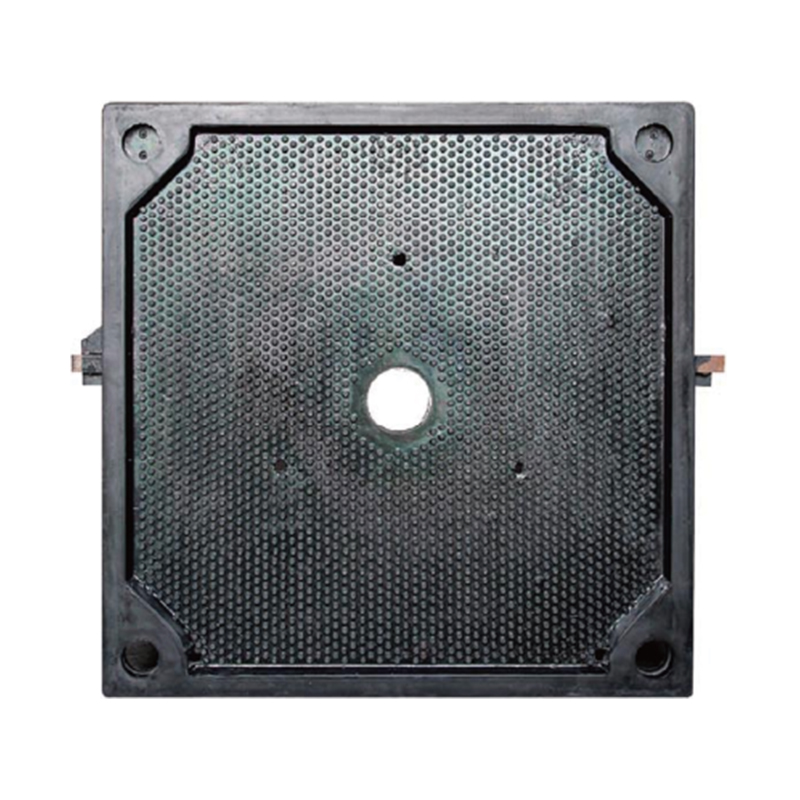
Corrosive chemicals may require specialized filter plate materials such as polypropylene, stainless steel, or rubber-lined components.
Automation Requirements
Modern chemical plants increasingly prefer fully automated systems to improve safety and operational consistency.
Working with experienced manufacturers helps ensure the filtration system matches the specific production requirements of the chemical process.
Future Trends in Chamber Filter Press Technology
As industrial automation and environmental standards continue to evolve, chamber filter press technology is also advancing rapidly.
Emerging trends include:
- Intelligent monitoring systems
- Remote operation capabilities
- Energy-efficient hydraulic systems
- Faster filtration cycles
- Improved filter cloth materials
- AI-based maintenance diagnostics
These innovations are helping chemical manufacturers increase operational efficiency while reducing maintenance costs and environmental impact.
FAQ
What is the main purpose of a Chamber Filter Press in chemical industries?
The main purpose is to separate solids from liquids efficiently, producing dry filter cakes and clean filtrate for industrial processing and wastewater treatment.
Why is cake dryness important in chemical processing?
Drier filter cakes reduce transportation, storage, and disposal costs while improving downstream material handling efficiency.
Can Chamber Filter Press systems handle corrosive chemicals?
Yes. Modern chamber filter presses are often manufactured using corrosion-resistant materials such as polypropylene or stainless steel to handle aggressive chemical environments.
Is automation available for Chamber Filter Press equipment?
Yes. Many modern systems include PLC controls, automatic plate shifting, cloth washing systems, and remote monitoring capabilities.
Which industries commonly use Chamber Filter Press technology?
Industries include chemicals, pharmaceuticals, mining, food processing, dye manufacturing, wastewater treatment, and metallurgy.

Contact Information
 No. 1, Sudong Road, Guxi Town, Taixing, Jiangsu, China
 +86-15720778188
 +86-523-87791016
 +86-523-87797781
 [email protected]

;void(0))