

 English
 Español
 हिंदी
हिंदी Tiếng Việt
Industry News
 Home / News / Industry News / How Can Filter Press Plates Improve the Performance of Your Filtration Process?
 How Can Filter Press Plates Improve the Performance of Your Filtration Process?
 2026.01.20
 Industry News
Content
- 1 1. Enhanced Filtration Efficiency
- 2 2. Increased Capacity and Throughput
- 3 3. Better Solid-Liquid Separation
- 4 4. Improved Cake Dryness
- 5 5. Reduced Operational Costs
- 6 6. Longer Plate Lifespan
- 7 7. Customization for Specific Filtration Needs
- 8 8. Environmentally Friendly Filtration
- 9 9. Consistent Filter Cake Quality
- 10 10. Optimized Pressure and Flow Distribution
1. Enhanced Filtration Efficiency
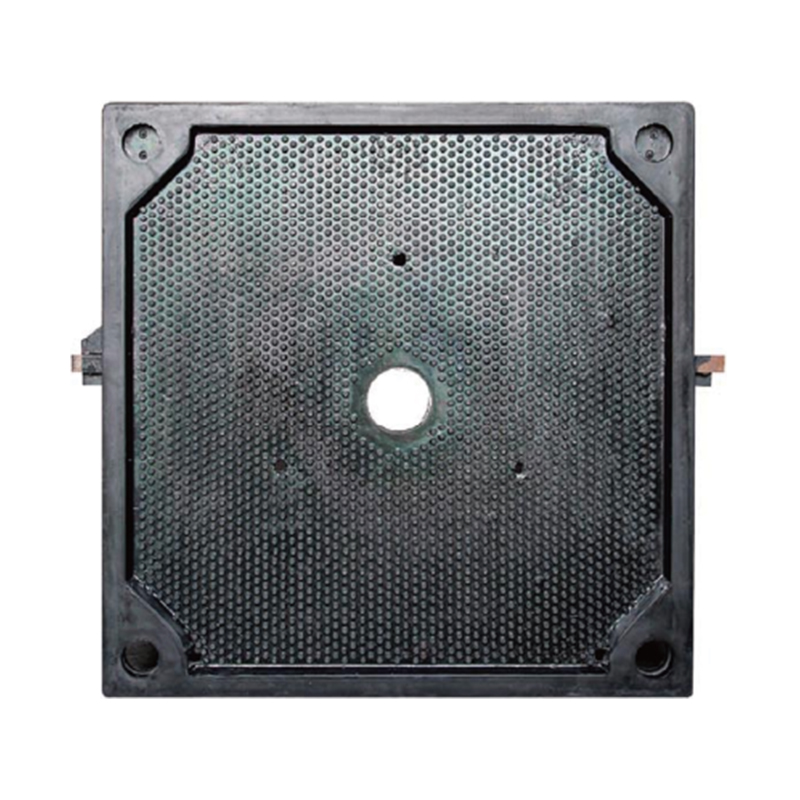
Filter press plates are specifically designed to optimize the filtration process by ensuring a high degree of separation between solids and liquids. Their structural design, with uniform channels and properly sealed plates, ensures that the slurry is evenly distributed across the entire surface area of the plate, which maximizes filtration efficiency. The plates create a series of closed chambers where the liquid filtrate is forced through the filter medium, while the solids are retained, forming a filter cake.
In a well-designed system, this process allows for better control over filtration conditions, including pressure, flow rate, and time. Each chamber can be individually monitored and adjusted, ensuring that the slurry is processed at the optimal conditions. The uniform distribution of slurry ensures that all the liquid is filtered at the same rate, preventing bottlenecks or uneven filtration, which can reduce the overall performance of the system. With high-quality filter press plates, filtration efficiency is significantly enhanced, which is crucial in industries like food processing, pharmaceuticals, and wastewater treatment, where consistent and effective separation is necessary.
The importance of the filter plate design also includes preventing premature clogging. By ensuring uniform filtration, there is less chance of blockages in the channels, which improves the overall system’s effectiveness and extends the life of the filter media.
2. Increased Capacity and Throughput
One of the major benefits of using high-quality filter press plates is the significant increase in filtration capacity and throughput. Filter press plates are designed to withstand high pressures, which ensures that they can handle larger volumes of slurry without compromising the speed of filtration. This increased capacity is especially important in large-scale industrial applications where filtering vast amounts of material is required in a short period.
The design of the filter press plate, including its size, thickness, and material, influences how efficiently it can handle these large volumes. For example, larger plates or plates with a greater number of chambers allow for more slurry to be filtered simultaneously, increasing the overall throughput of the system. This is especially beneficial in industries like mining, where large quantities of slurry need to be processed to extract valuable materials, and in the chemical industry, where filtration is often part of large-scale production processes.
Additionally, the use of high-pressure filtration systems allows for faster filtration cycles. When filter press plates are paired with the right cloth materials and seals, they ensure the system operates with minimal downtime. This means that the filtration process can complete more cycles per day, thus boosting productivity.
3. Better Solid-Liquid Separation
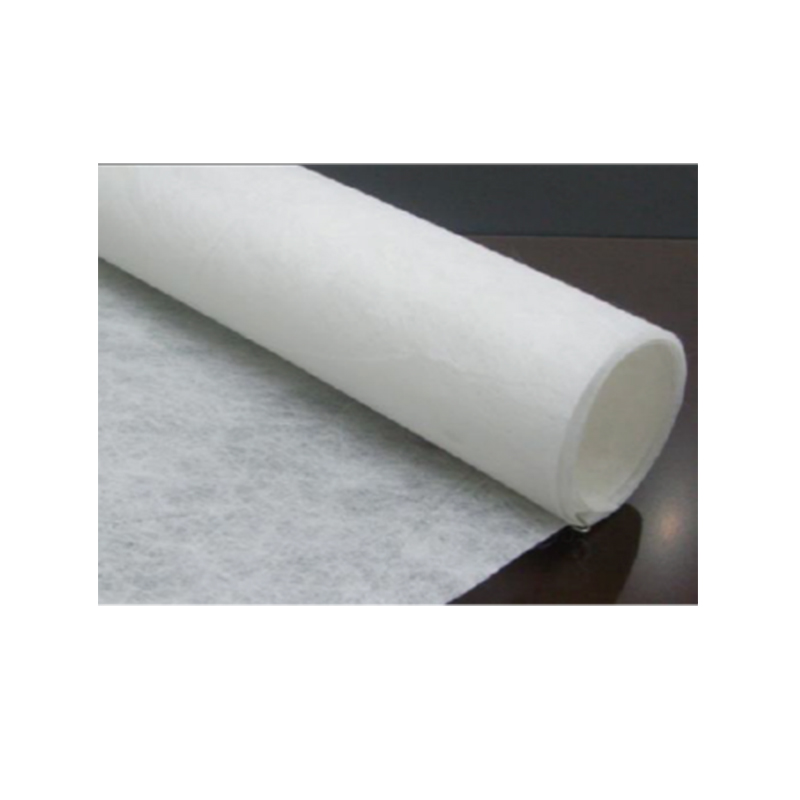
Filter press plates are key to achieving superior solid-liquid separation. When slurry enters the filter press, it is forced through the filter cloths by the pressure applied between the plates. The solids are retained within the chambers, while the liquid passes through and is collected for further use or treatment. The ability to consistently produce a high-quality filter cake, with the maximum amount of liquid removed, depends largely on the quality and design of the filter press plates.
One of the major factors that influence the efficiency of solid-liquid separation is the tightness of the seal between the plates. High-quality plates ensure minimal leakage and bypassing of liquid, which could otherwise compromise the separation process. This is especially important when working with slurries that contain fine particles or high viscosity fluids, which tend to pass through poorly sealed areas and reduce filtration efficiency. Furthermore, the size of the filter press plates and the number of chambers can also affect the filtration capacity. More chambers mean more surface area for filtration, which leads to a higher volume of slurry being processed at once.
Comparison of Filter Press Plate Designs for Solid-Liquid Separation
|
Feature |
Polypropylene Plate |
Stainless Steel Plate |
Fiberglass Plate |
|
Pressure Handling |
Medium to High |
Very High |
Low to Medium |
|
Durability |
Medium |
Very High |
Medium |
|
Chemical Resistance |
Moderate |
High |
High |
|
Weight |
Light |
Heavy |
Medium |
|
Typical Applications |
Wastewater Treatment, Food Processing |
Mining, Heavy Chemicals |
Light Industry, Water Filtration |
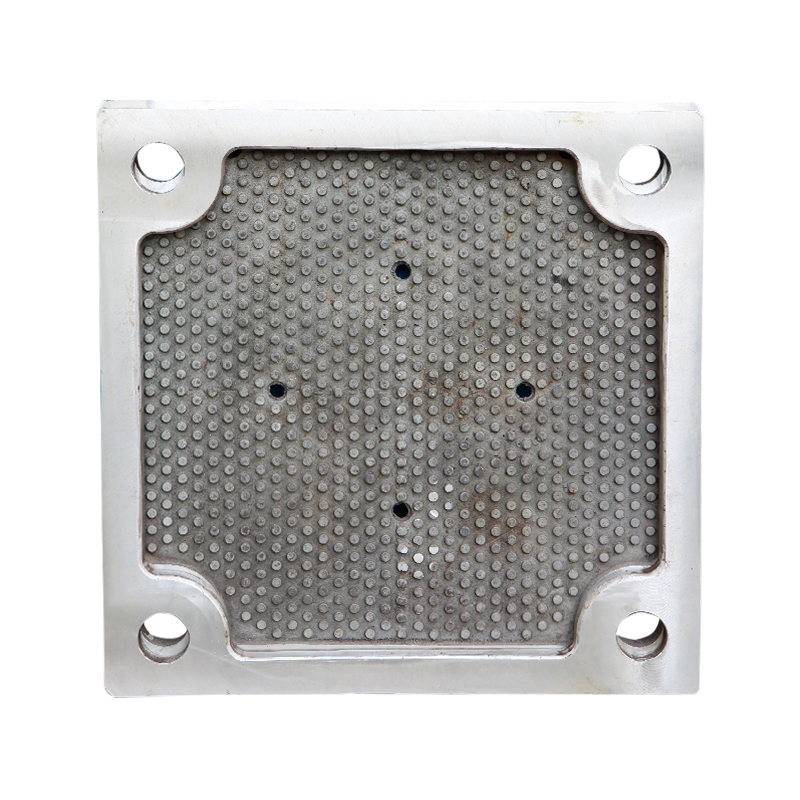
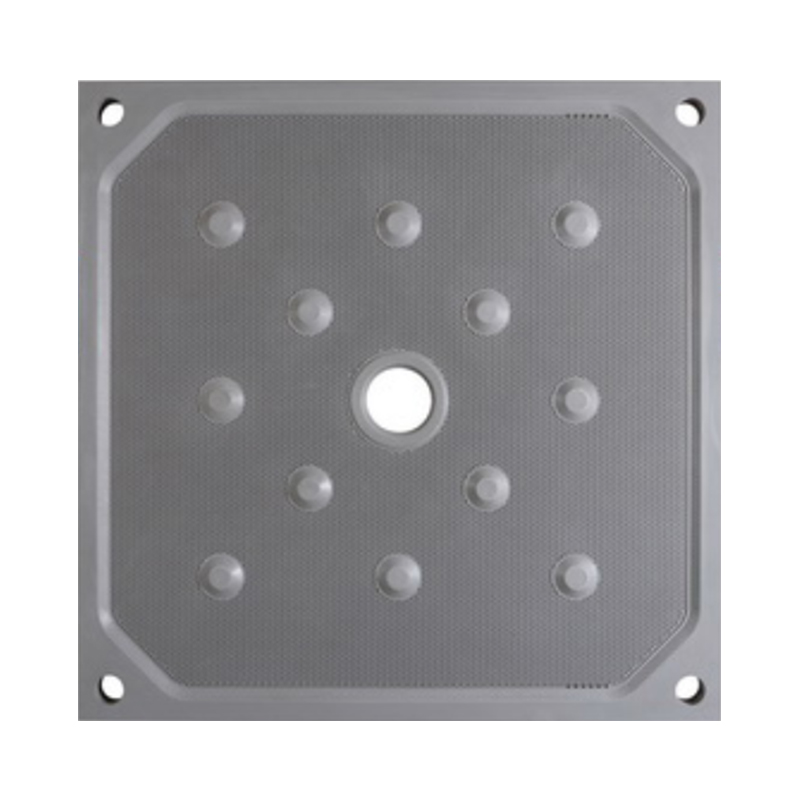
In this table, you can see how the material of the filter press plate influences the solid-liquid separation process. Polypropylene plates are effective in medium pressure systems and are commonly used in wastewater treatment, while stainless steel plates are more suitable for high-pressure, heavy-duty applications such as in mining or chemical processing.
4. Improved Cake Dryness
The goal of any filtration process is to remove as much liquid as possible from the solids. Filter press plates play a crucial role in achieving this by creating a high-pressure environment that forces liquid out of the filter cake. The tighter the seal between the plates and the higher the applied pressure, the more liquid can be extracted, resulting in drier filter cakes.
Dry filter cakes are especially important because they reduce the need for additional drying or disposal processes. In industries like mining, where the solid material must often be processed further or disposed of, having a filter cake with low moisture content can significantly reduce waste and disposal costs. Similarly, in the food industry, where the filtration process is designed to produce usable products, drier cakes lead to higher yields and more efficient processing.
High-quality filter press plates, particularly those made from materials like stainless steel or polypropylene, ensure that pressure is evenly applied throughout the system, leading to consistent results. When pressure is not evenly distributed, certain areas of the filter cake will have higher moisture content, which can cause inconsistencies in the final product.
5. Reduced Operational Costs
One of the major benefits of investing in high-quality filter press plates is the reduction in operational costs over time. When filter press plates are made from durable, resistant materials such as stainless steel or polypropylene, they last longer, which means fewer replacements are needed. This is especially important in industries that require continuous operation, as downtime for maintenance or plate replacement can be costly.
In addition to longer plate life, filter press plates help reduce energy costs. By optimizing the filtration process, they ensure that less energy is required to filter the slurry. This is achieved through improved pressure distribution and enhanced sealing, which reduces the amount of energy required for pumping and other filtration processes. Furthermore, less energy-intensive processes are required for cleaning and drying the cakes, leading to even more savings.
By using filter press plates that increase efficiency, improve filtration speed, and enhance solid-liquid separation, businesses can reduce operational costs in the long term.
6. Longer Plate Lifespan
The lifespan of filter press plates is critical to reducing operational costs. High-quality plates are designed to resist wear and tear caused by high pressure, abrasive materials, and harsh chemicals. Materials such as polypropylene and stainless steel offer excellent resistance to corrosion, chemical attack, and physical damage, which extends the life of the plates.
The lifespan of a filter press plate also depends on factors such as proper maintenance, the type of slurry being filtered, and the filtration conditions. For example, plates that are used in environments with highly abrasive materials or extreme pH conditions may require more frequent inspection and maintenance. However, with the right care and material selection, a well-maintained filter press plate can last for many years, minimizing the need for replacement and reducing overall costs.
A longer plate lifespan also means fewer production interruptions due to plate replacement, which is vital for maintaining smooth operations, particularly in industries where continuous filtration is necessary.
7. Customization for Specific Filtration Needs
Filter press plates come in a variety of designs and materials to meet the specific needs of different industries. Customization options allow businesses to select plates that are best suited for the type of slurry they need to filter, whether it’s a highly abrasive slurry, a viscous liquid, or a material that requires high-temperature resistance.
Some industries, such as mining or chemicals, may require filter press plates that can withstand extreme conditions like high pressure or corrosive chemicals. Other industries, such as food processing or pharmaceuticals, may require plates that are easy to clean and sanitize. The ability to customize filter press plates ensures that filtration systems are optimized for the specific application, improving both efficiency and product quality.
In addition to material selection, the size and configuration of the plates can be tailored to accommodate different filtration capacities. Businesses can choose from different plate sizes and designs to ensure that their filtration systems are able to handle the required volume without compromising performance.
8. Environmentally Friendly Filtration
Using filter press plates can significantly contribute to environmentally friendly filtration processes. By improving the solid-liquid separation, filter press plates ensure that less waste is produced, and the liquid effluent is as clean as possible. This is especially important in industries like mining, where large volumes of slurry need to be processed without polluting nearby water sources.
Furthermore, filter press plates reduce the need for additional waste treatment processes. By efficiently separating solids from liquids, the system reduces the amount of waste that requires further handling, such as incineration or landfilling. This leads to less environmental impact and helps businesses comply with increasingly strict environmental regulations.
Sustainability is a growing concern for industries around the world, and by using high-quality filter press plates, businesses can reduce their environmental footprint while improving filtration performance.
9. Consistent Filter Cake Quality
The consistency of the filter cake is crucial to achieving reliable results in industrial filtration. Filter press plates that provide an even and consistent sealing between each chamber contribute to a more uniform cake. This uniformity is important because it ensures that all parts of the cake contain a similar amount of moisture and that the overall filtration process is efficient.
In industries like pharmaceuticals or food processing, where the quality of the product is directly related to the consistency of
the filter cake, using high-quality filter press plates is essential. These plates ensure that the cake produced meets strict quality standards, which is crucial for product safety and compliance.
Moreover, uniform cake formation makes the handling and disposal of the cake easier. Whether the cake is further processed or discarded, its consistency simplifies handling and reduces waste.
10. Optimized Pressure and Flow Distribution
The efficiency of a filter press is highly dependent on how evenly the pressure and flow are distributed throughout the filtration process. High-quality filter press plates are engineered to ensure that the slurry is evenly distributed across the plate surface, preventing issues like channeling or uneven filtration. This optimizes the entire filtration process, ensuring that the system operates efficiently and that all the slurry is filtered at the same rate.
Even pressure distribution also ensures that the filter cake is formed consistently and that the liquid is removed evenly, improving the quality of both the filtrate and the filter cake. Moreover, optimized pressure helps to reduce wear and tear on the system, as the plates are designed to handle pressure more effectively, leading to longer-lasting equipment.
By optimizing pressure and flow distribution, filter press plates contribute to smoother, more efficient operations across various industries, from water treatment to chemical processing.
Contact Information
 No. 1, Sudong Road, Guxi Town, Taixing, Jiangsu, China
 +86-15720778188
 +86-523-87791016
 +86-523-87797781
 [email protected]

;void(0))