

 English
 Español
 हिंदी
हिंदी Tiếng Việt
Industry News

How Does a Belt Press Work for Continuous Sludge Dewatering?
 2026.04.06
 Industry News
Content
In modern industrial and municipal wastewater treatment processes, the Belt Filter Press (BFP) has become a cornerstone of sludge management due to its high processing capacity, low energy consumption, and superior automation. To help engineers and procurement professionals better understand its operational logic, we will explore the complete process of continuous dewatering through the lenses of physical compression, chemical conditioning, and fluid dynamics.
Sludge Pre-treatment and Chemical Conditioning
The first step in sludge dewatering is not physical squeezing, but a fundamental change in chemical properties. Raw sludge (especially surplus activated sludge from municipal plants) is typically hydrophilic. The solid micro-particles carry negative surface charges, which cause them to repel each other and “lock” water within the structure. If fed directly into a press, this sludge would act like glue, blinding the filter mesh and resulting in dewatering failure.
Precision Dosing of Flocculants (Polymers)
Before entering the belt press, the sludge must pass through a dynamic mixer or a flocculation tank. At this stage, a high-molecular-weight polymer, such as Polyacrylamide (PAM), is injected at a precise ratio. The positively charged polymer chains rapidly neutralize the negative charges on the sludge particles through “charge neutralization” and “bridging,” aggregating tiny particles into large, robust clusters known as flocs.
Separation of Free Water and Bound Water
Successful flocculation separates the sludge water into two categories: free water and bound water. High-quality pre-treatment allows the free water to be ready for release before even touching the filter belt. The efficiency of this stage dictates the final moisture content of the “cake.” Insufficient dosing leads to fragile flocs and “slime leakage,” while over-dosing causes the belt to become greasy, increasing cleaning costs. Modern systems often utilize automated dosing units to match real-time fluctuations in sludge concentration.
Gravity Drainage Zone: Initial Solid-Liquid Separation
Once the pre-treated sludge is conditioned, it is evenly distributed onto a rotating, porous bottom filter belt. This area is known as the Gravity Drainage Zone, and its primary function is to use Earth’s gravity to remove the vast majority of free water from the sludge.
The Role of Plow Chicanes
The sludge does not remain stagnant as it moves across the several meters of the gravity zone. Multiple sets of plow chicanes are positioned above the belt. As the belt moves, these plows turn the sludge layer, creating “drainage furrows.” This mechanical intervention breaks the surface tension of the sludge and allows water trapped at the bottom to escape through the mesh.
Significant Volume Reduction
According to the law of conservation of mass, the gravity zone typically removes 50% to 80% of the total water volume. This transforms the sludge from a liquid fluid into a semi-solid paste. This transition is critical; if the sludge entering the pressure zone is too fluid, it will “blow out” from the sides of the belts under high pressure, leading to operational failure. The length of the gravity zone and the permeability of the filter belt are key specifications that must be customized based on industry-specific sludge types, such as paper mill sludge, textile sludge, or sand-washing silt.
Wedge and Compression Zones
After leaving the gravity zone, the sludge enters a “sandwich” structure formed by an upper and lower filter belt. This is the core of the pressure transformation, where the mechanical design of the belt press truly shines.
The Wedge Zone (Pre-pressure)
The gap between the upper and lower belts narrows gradually, forming a wedge shape. Here, the sludge is subjected to a gentle, increasing pressure. The goal of this stage is to further reduce the sludge’s fluidity and ensure it is evenly distributed across the width of the belt, preparing the physical structure for the intense pressure to follow.
The S-Wrap Process (Shear and Compression)
The actual high-pressure dewatering occurs in the Compression Zone, which consists of a series of rollers with varying diameters.
- The “S” Configuration:The belts wrap around the rollers in an “S-shape.” Because of the difference in circumference between the inner and outer belt layers, the sludge is subjected to both compression and shear forces.
- Pressure Gradients:The rollers typically decrease in diameter as the sludge progresses. Based on physical principles, at a constant belt tension, a smaller roller radius exerts higher surface pressure.
This “incremental pressure” design ensures that capillary water deep within the sludge is forced out layer by layer, eventually forming a solid “cake” that can be easily broken and transported.
Process Parameter Comparison Table
|
Process Stage |
Primary Force |
Type of Water Removed |
Sludge Morphology |
|
Gravity Zone |
Gravity |
Free water |
Thickened liquid -> Paste |
|
Wedge Zone |
Gentle compression |
Interstitial water |
Paste -> Semi-solid |
|
High-Pressure Zone |
Compression + Shear |
Capillary bound water |
Semi-solid -> Hard cake |
Discharge, Belt Washing, and System Maintenance
The final step in the dewatering process is the separation of the cake and the regeneration of the filter mesh. This is a closed-loop system where any inefficiency can impact the overall throughput.
Automatic Discharge Mechanism
At the end of the belt cycle, the upper and lower belts separate as they pass over discharge rollers. Doctor Blades (scrapers) made of wear-resistant materials like high-density polyethylene or stainless steel scrape the cake off the belts. High-quality scrapers minimize belt wear while ensuring a clean discharge to prevent “carry-back” issues.
High-Pressure In-line Belt Washing
Because sludge contains fine particles and oils, the mesh pores can easily become “blinded” or clogged. Therefore, before the belt returns to the start of the cycle, it passes through a sealed wash box. Here, high-pressure spray bars wash both sides of the belt using recycled or fresh water. The quality of this wash directly determines the gravity drainage efficiency of the next cycle.
Automated Tracking and Tensioning
During continuous operation, belts may shift due to uneven loading. Modern belt presses are equipped with pneumatic tracking systems that use sensors to monitor belt position and automatically adjust roller angles. Concurrently, hydraulic or pneumatic tensioners ensure the belt maintains constant pressure throughout the run, guaranteeing stable cake moisture levels.
FAQ: Common Questions About Belt Filter Presses
- Why has the moisture content of my sludge cake suddenly increased?
This is usually caused by one of three things: ineffective polymer flocculation or incorrect dosing; the feed load exceeding the machine’s capacity; or clogged wash nozzles preventing proper belt drainage. - What is the difference between a Belt Press and a Plate and Frame Press?
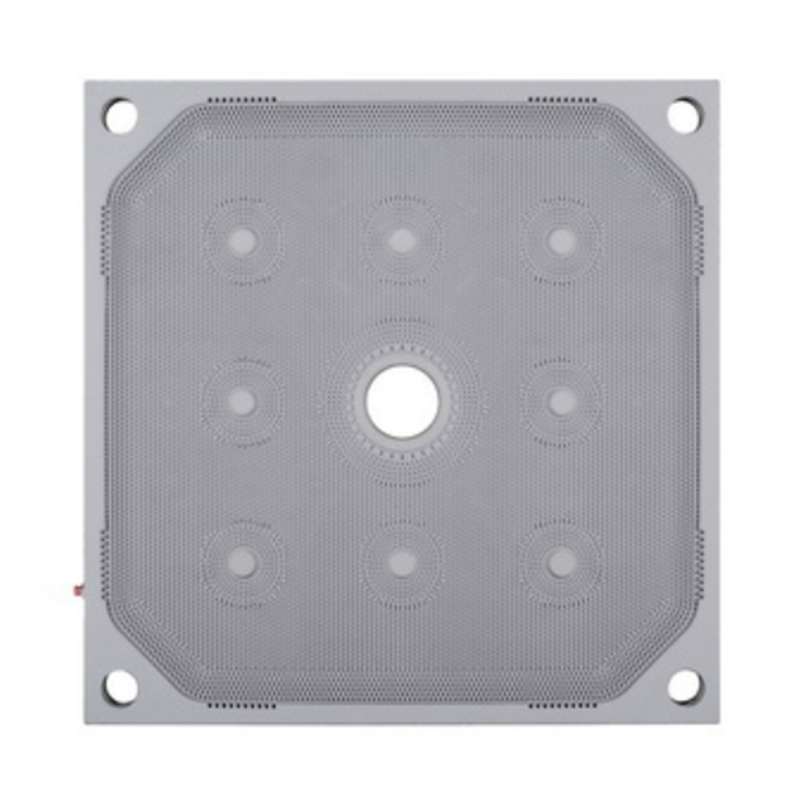
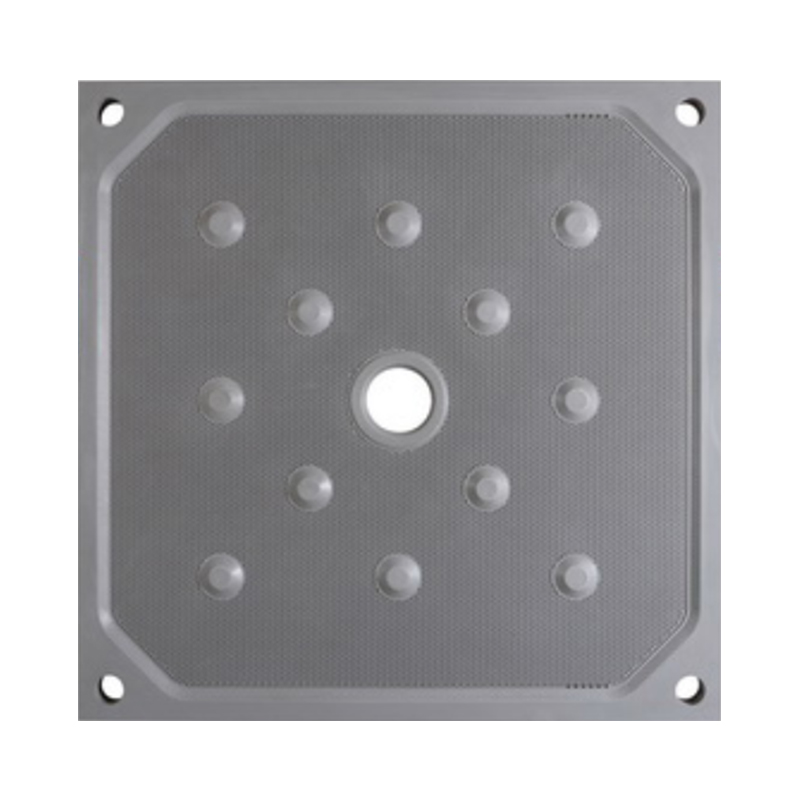
A Belt Filter Press is a continuous process, offering high throughput for non-stop industrial production. A Plate and Frame Press is a batch process; while it often achieves lower moisture levels, it has lower automation and cannot be fed continuously. - How long is the typical lifespan of a filter belt?
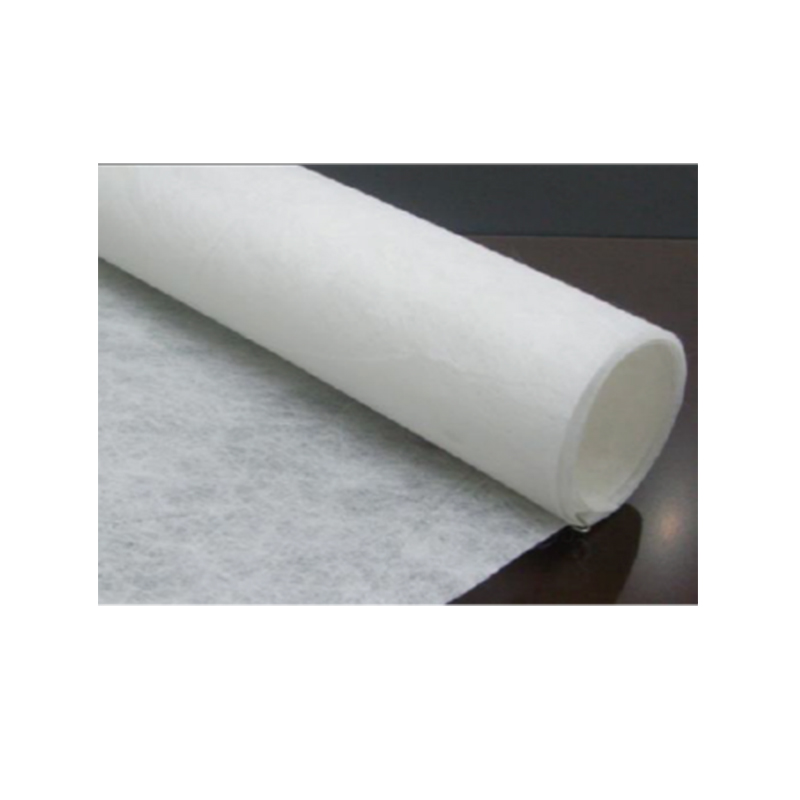
This depends on the abrasiveness of the sludge and operating hours. Under standard operation, a high-quality polyester monofilament belt typically lasts between 2,000 and 4,000 hours.
References
- Water Treatment Engineering Technical Manual, Chemical Industry Press: Detailed introduction to solid-liquid separation structures and fluid dynamics.
- Sludge Treatment and Disposal: Technical Specifications for Belt Compression Dewatering, Industry Standards: Defines the standard ratios for gravity and pressure zones.
- Wastewater Engineering: Treatment and Resource Recovery (Metcalf & Eddy): A classic text on the mechanism of polymers in belt press applications.
Contact Information
 No. 1, Sudong Road, Guxi Town, Taixing, Jiangsu, China
 +86-15720778188
 +86-523-87791016
 +86-523-87797781
 [email protected]

;void(0))