

 English
 Español
 हिंदी
हिंदी Tiếng Việt
Industry News
 Home / News / Industry News / How Does the Membrane Pressing Mechanism Work in a Membrane Filter Press?
 How Does the Membrane Pressing Mechanism Work in a Membrane Filter Press?
 2026.04.20
 Industry News
Content
Membrane filter presses are among the most efficient solid-liquid separation devices available in industrial wastewater treatment, chemical processing, mining, and food processing industries. Unlike traditional filter presses, the membrane pressing mechanism allows operators to achieve lower cake moisture, faster processing times, and more uniform filtration.
What Is a Membrane Filter Press?
A membrane filter press is an advanced filtration system that uses a flexible membrane to compress the sludge or slurry inside filter chambers. Unlike conventional plate-and-frame filter presses, which rely solely on hydraulic closure to filter slurry, the membrane press applies additional pressure via a flexible membrane to squeeze out trapped water.
Key Components of a Membrane Filter Press
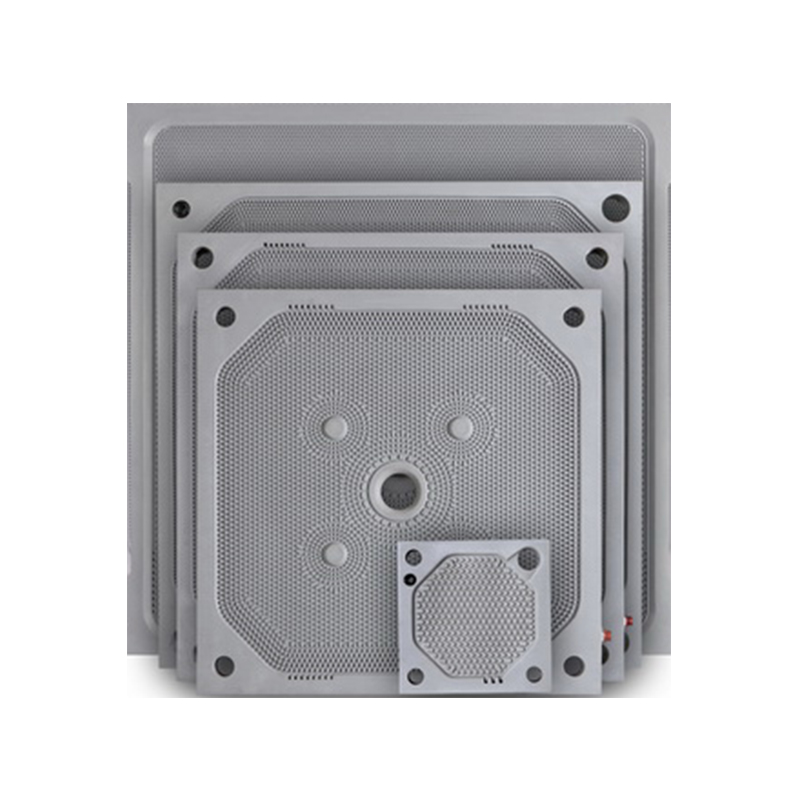
- Filter Plates:These are hollow or recessed plates that form the chambers where slurry is deposited. They are usually made of polypropylene or other durable plastics.
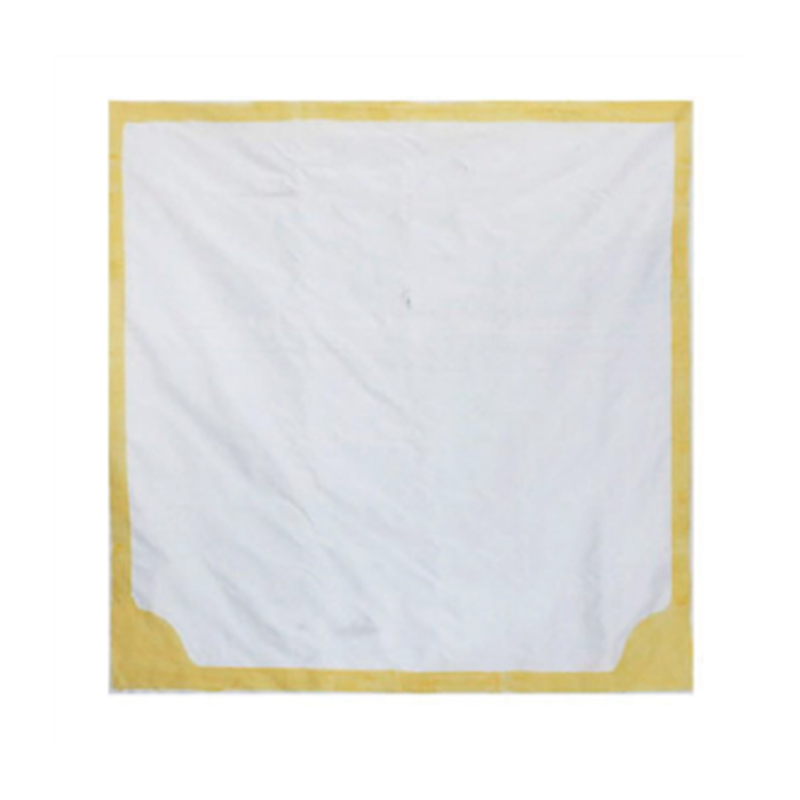
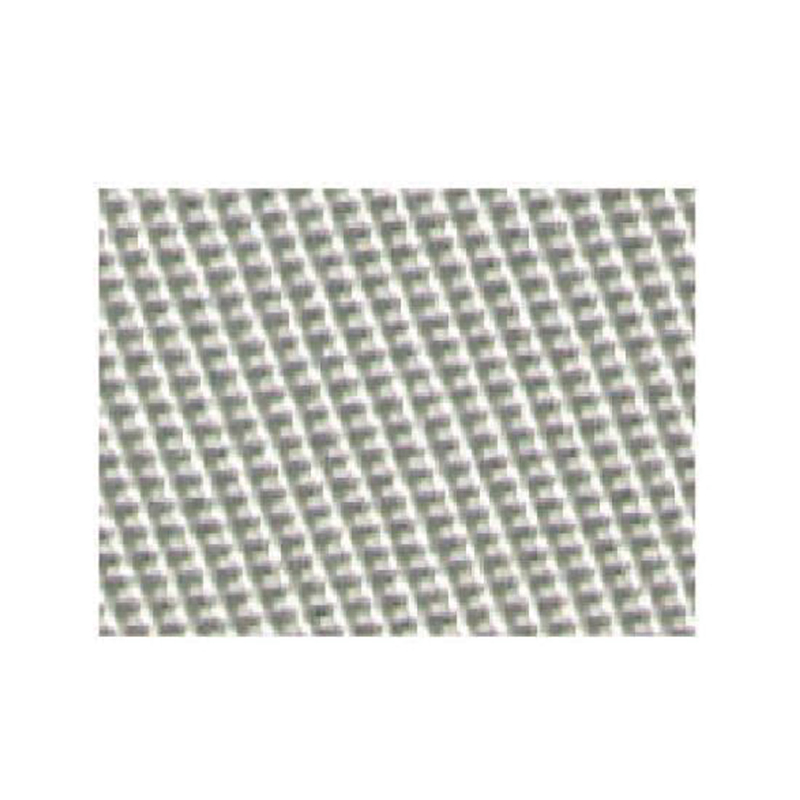
- Filter Cloths:Cloths that cover the plates and act as a barrier for solids while allowing water to pass through.
- Membranes:Flexible rubber or synthetic sheets that press against the cake after initial filtration to remove additional water.
- Hydraulic System:Provides the force to close the plates and inflate the membranes.
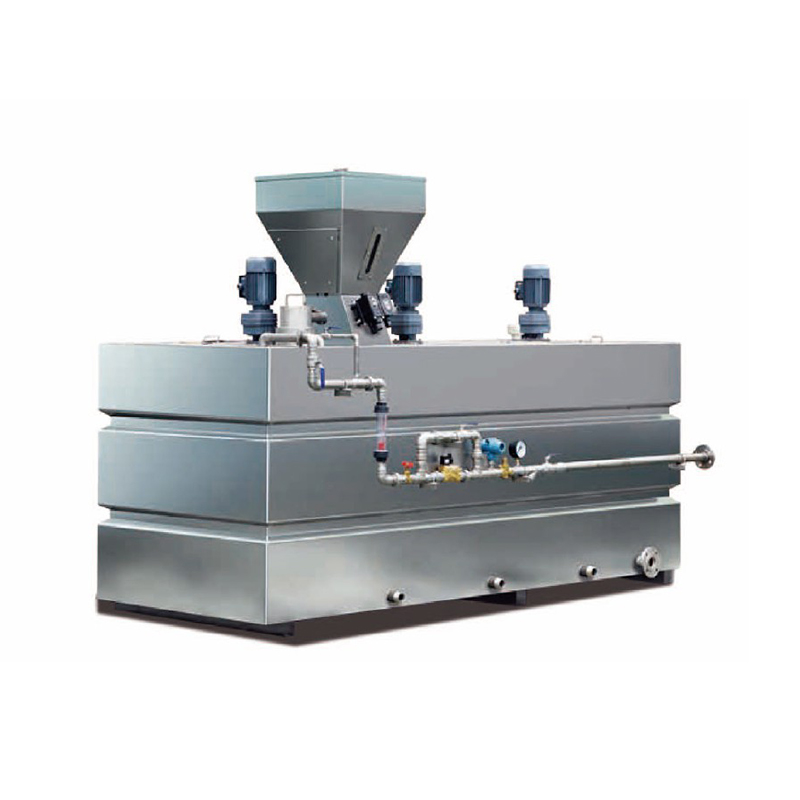
- Slurry Feed System:Pumps the slurry into filter chambers under controlled pressure.
- Cake Discharge System:Facilitates the removal of dewatered sludge efficiently after pressing.
How the Membrane Pressing Mechanism Works
The membrane pressing mechanism is a two-stage process: filtration and membrane pressing. Each stage plays a crucial role in ensuring effective dewatering and uniform cake formation.
Stage 1: Filtration
Slurry Feeding
The process begins with pumping slurry into the chambers between the filter plates. The slurry is evenly distributed to ensure uniform cake thickness.
Initial Filtration
Hydraulic pressure combined with gravity allows water to pass through the filter cloth while solids are retained inside the chambers. During this stage, the membrane remains inactive.
Cake Formation
As the filtration continues, a solid layer, or “cake,” forms on both sides of the filter cloth. The thickness of the cake depends on slurry concentration, feed rate, and plate design.
Stage 2: Membrane Pressing
Membrane Inflation
After the initial cake forms, the membrane is inflated using hydraulic or pneumatic pressure. The membrane gently conforms to the shape of the cake and filter plates.
Cake Compression
The inflated membrane presses the sludge, compressing the cake and squeezing out water that is trapped within the solid matrix. This significantly lowers the final moisture content of the cake compared to conventional filter presses.
Moisture Reduction
This pressing stage can reduce cake moisture content by 3–10%, making disposal or further processing easier and more cost-efficient.
Cake Discharge
After pressing, the compressed cake can be automatically or manually discharged. The uniform pressure ensures that the cake is solid, consistent, and less sticky, facilitating easier handling.
Advantages of the Membrane Pressing Mechanism
Membrane pressing introduces several operational benefits that make it superior to conventional filtration techniques.
Higher Dewatering Efficiency
The additional pressing step removes more water from the sludge, which reduces disposal costs and transportation volume.
Uniform Cake Quality
The flexible membrane applies even pressure across all plates, ensuring uniform cake thickness and consistent moisture content.
Reduced Operational Costs
By improving water removal efficiency, membrane filter presses reduce the need for additional drying equipment and energy consumption.
Faster Cycle Times
The membrane pressing step accelerates the dewatering process, reducing the overall cycle time and increasing throughput.
Lower Labor Requirements
Automated membrane presses reduce manual intervention, minimizing labor and associated operational errors.
|
Feature |
Benefit |
|
Lower Moisture Cake |
Reduced disposal and transport costs |
|
Uniform Pressure Distribution |
Even and consistent cake quality |
|
Reduced Water Usage |
Cost savings and environmental benefits |
|
Faster Processing |
Higher throughput and productivity |
|
Automation Friendly |
Less labor, safer operations |
Types of Membrane Filter Presses
Membrane filter presses vary depending on membrane type, material, and automation level.
1. Rubber Membrane Filter Press
- Material:High-quality rubber membranes.
- Application:Commonly used in wastewater treatment and chemical processing.
- Advantage:Durable and flexible, adapts to different sludge types and particle sizes.
2. Synthetic Membrane Filter Press
- Material:PVC, PU, or other synthetic polymers.
- Application:Ideal for high-temperature or chemically aggressive sludge.
- Advantage:Resistant to chemical corrosion and long-lasting under harsh conditions.
3. Automatic Membrane Filter Press
- Features:Integrated hydraulic systems and automated cake discharge.
- Advantage:Requires minimal human intervention and is suitable for large-scale industrial applications.
Factors Affecting Membrane Pressing Efficiency
Efficiency of a membrane filter press depends on multiple factors:
Slurry Properties
- High viscosity or high solids concentration affects cake formation and dewatering speed.
- Particle size distribution impacts water retention in the cake.
Membrane Material
- Membrane flexibility, durability, and chemical resistance directly influence pressing effectiveness and lifespan.
Hydraulic Pressure
- Correct pressure is critical. Too low leads to poor dewatering, too high can damage plates or membranes.
Cycle Timing
- Optimizing the duration between initial filtration and membrane pressing ensures maximum water removal without over-stressing the system.
Maintenance Tips for Optimal Performance
To maintain high efficiency, regular maintenance of the membrane filter press is crucial.
Membrane Inspection
- Check membranes regularly for cracks, tears, or signs of fatigue.
Filter Cloth Maintenance
- Clean or replace filter cloths to prevent clogging and maintain filtration performance.
Hydraulic System Checks
- Ensure that the hydraulic pump and pressure gauges are functioning correctly.
Plate Alignment
- Misaligned plates can reduce membrane effectiveness and cause leaks or uneven cake formation.
FAQ: Membrane Filter Press Mechanism
Q1: How much more efficient is a membrane filter press compared to conventional presses?
A1: Membrane presses can reduce cake moisture by 3–10% more than conventional presses, depending on sludge characteristics.
Q2: Can membrane filter presses handle chemically aggressive sludges?
A2: Yes, using chemical-resistant membranes such as PVC or PU ensures safe operation with aggressive sludges.
Q3: How often should membranes be replaced?
A3: Typically, membranes last 2–5 years depending on usage, chemical exposure, and maintenance.
Q4: Which industries benefit the most from membrane filter presses?
A4: Wastewater treatment, chemical processing, mining, pharmaceuticals, and food industries are the primary beneficiaries.
Q5: What factors determine cake moisture content?
A5: Slurry characteristics, membrane flexibility, hydraulic pressure, and cycle timing all affect final moisture content.
References
- Li, H., & Zhang, W. (2021). Advances in Filter Press Technology. Journal of Water Process Engineering, 39, 101678.
- Xu, P., & Liu, J. (2020). Membrane Filter Press Applications in Industrial Dewatering. Chemical Engineering Journal, 392, 123456.
- American Water Works Association. (2019). Manual on Sludge Treatment and Disposal. AWWA Publications.
- Perry, R. H., & Green, D. W. (2018). Perry’s Chemical Engineers’ Handbook, 9th Edition. McGraw-Hill Education.
Contact Information
 No. 1, Sudong Road, Guxi Town, Taixing, Jiangsu, China
 +86-15720778188
 +86-523-87791016
 +86-523-87797781
 [email protected]

;void(0))