

 English
 Español
 हिंदी
हिंदी Tiếng Việt
Industry News
 Home / News / Industry News / What Are the Main Benefits of Using a Filter Press for Sludge Treatment?
 What Are the Main Benefits of Using a Filter Press for Sludge Treatment?
 2026.04.13
 Industry News
Content
Sludge treatment is a vital step in industrial processes, municipal wastewater management, and chemical manufacturing. Proper dewatering of sludge reduces disposal costs, improves operational efficiency, and helps meet environmental regulations. Among the various dewatering technologies, the filter press stands out as one of the most effective and reliable solutions.
High Solids Separation Efficiency
Improved Filtration Performance
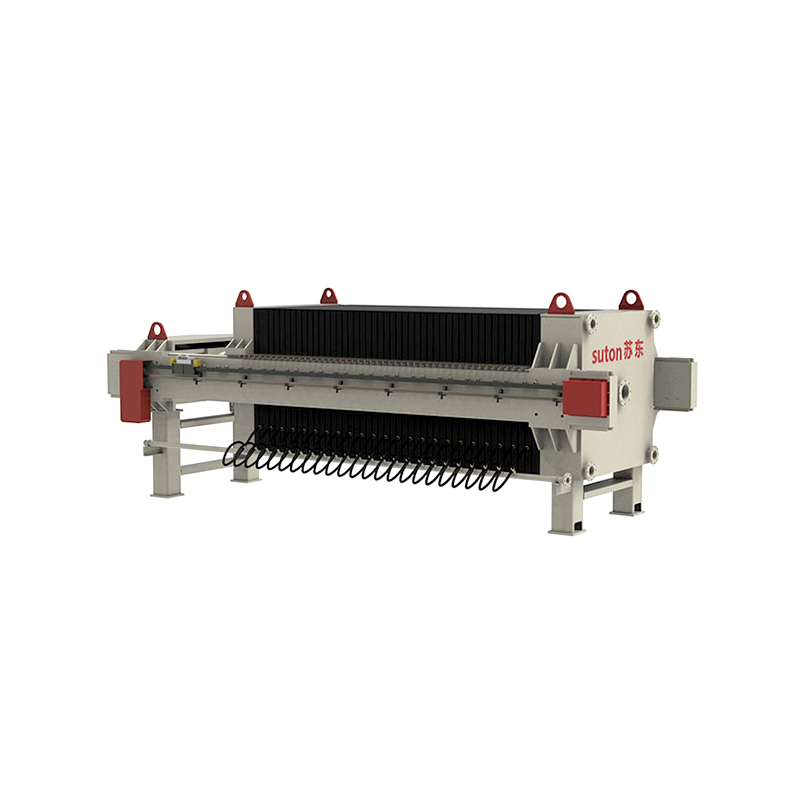
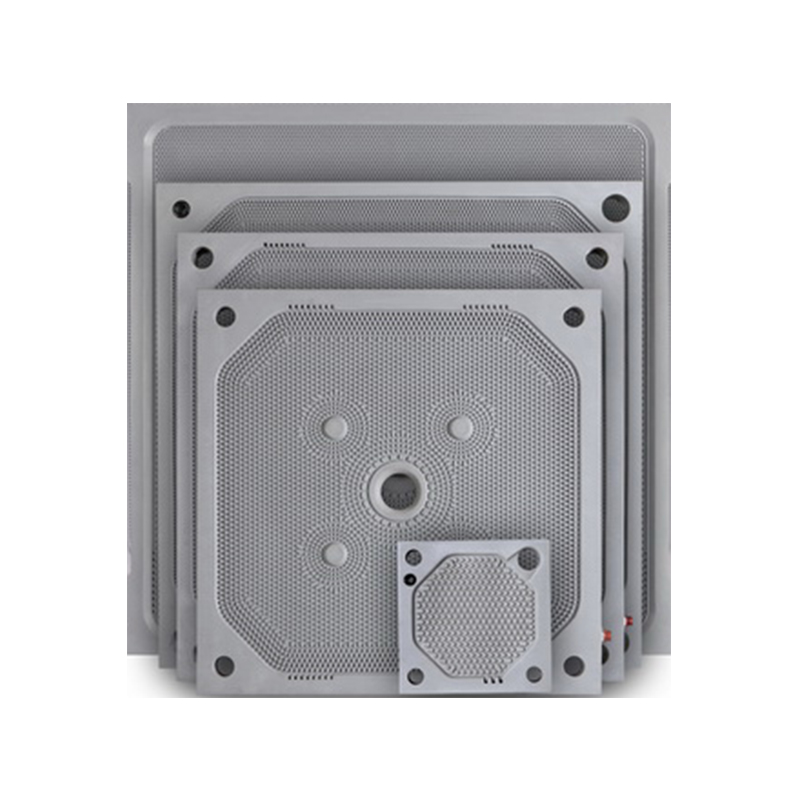
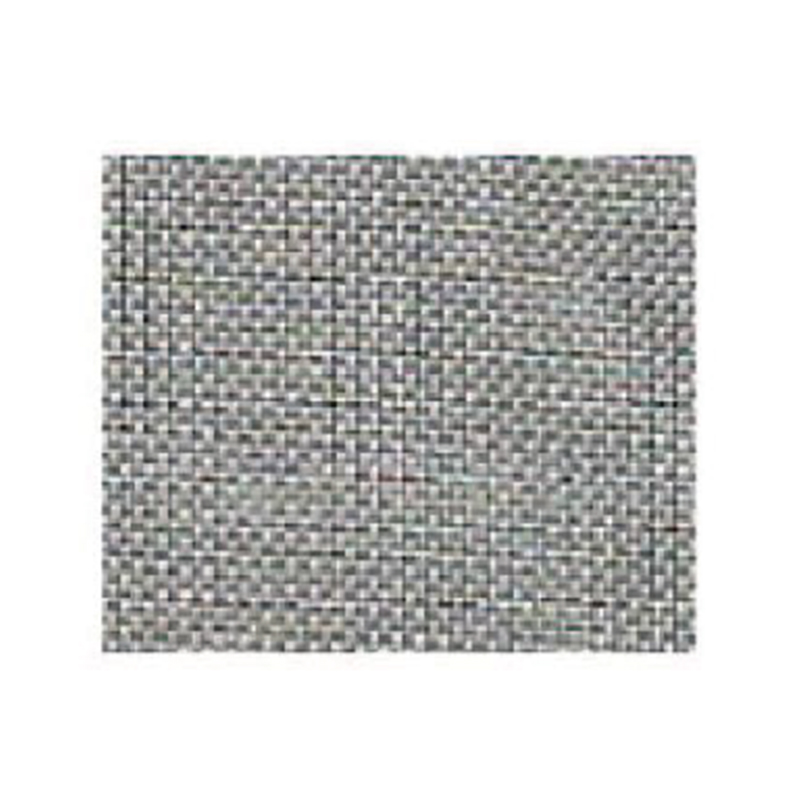
A filter press uses hydraulic pressure to separate liquids from solids in sludge. The sludge is pumped into the press, filling chambers formed by filter plates covered with filter cloths. Under high pressure, the liquid passes through the cloth while the solids are retained, forming a filter cake.
Filter presses can achieve a solid content of 45–60%, which is significantly higher than other mechanical dewatering methods such as centrifuges or belt presses. This high efficiency ensures minimal residual water in the sludge, making it easier to handle and reducing downstream processing needs.
Better Sludge Volume Reduction
High solid separation translates directly to reduced sludge volume. Less volume means lower transportation and disposal costs, as well as less space required for sludge storage. For municipal and industrial applications, this efficiency is critical in maintaining operational cost-effectiveness and regulatory compliance.
Cost-Effective Operation
Low Energy Consumption
Unlike centrifuges, which rely on high-speed rotational forces, filter presses use hydraulic or mechanical pressure, consuming less energy. This energy efficiency is particularly beneficial for large-scale operations that process thousands of liters of sludge daily.
Reduced Chemical Usage
While some sludge types require chemical conditioning, filter presses generally require fewer chemicals than other dewatering systems. Coagulants and flocculants can be minimized, resulting in lower operational costs and reduced chemical handling risks.
Flexibility Across Industries
Versatile Application
Filter presses can handle a wide variety of sludge types:
- Municipal wastewater sludge
- Industrial chemical sludge
- Food processing residues
- Mining and metallurgical sludge
This versatility makes the filter press a universal solution suitable for many different industries and applications.
Customizable Design
Modern filter presses come in various plate sizes, materials, and automation levels. For example, plates may be made of polypropylene, stainless steel, or composite materials to handle corrosive or abrasive sludges. Automation options range from fully manual systems to fully automatic presses with cake discharge and cloth washing features.
This customization ensures optimal performance for specific sludge characteristics, improving efficiency and reducing maintenance needs.
High Reliability and Low Maintenance
Robust Construction
Filter presses are known for their durable and robust construction. Plates are made from corrosion-resistant materials, and the hydraulic systems are designed for long-term operation. With routine maintenance, a filter press can operate efficiently for 15–20 years or more.
Comparison with Other Dewatering Methods
|
Feature |
Filter Press |
Centrifuge |
Belt Press |
|
Solid Content (%) |
45–60 |
25–35 |
30–40 |
|
Energy Consumption |
Low |
High |
Medium |
|
Maintenance |
Low |
Medium |
Medium |
|
Chemical Usage |
Low |
Medium |
Medium |
|
Investment Cost |
Medium |
High |
Medium |
As shown in the table, filter presses balance efficiency, reliability, and cost-effectiveness better than many alternative sludge dewatering technologies.
Environmental Benefits
Reduced Wastewater Discharge
By maximizing water removal, filter presses decrease the volume of water needing further treatment or disposal. This reduces the load on downstream wastewater treatment systems and minimizes environmental impact.
Compliance with Regulations
Proper sludge dewatering with a filter press helps industries comply with local and international environmental standards, including restrictions on sludge moisture content, disposal methods, and chemical usage. This compliance reduces legal risks and enhances corporate responsibility credentials.
Improved Operational Safety
Filter presses reduce the handling of wet sludge, which is often heavy and potentially hazardous. By producing solid filter cakes, they minimize manual handling and lower the risk of accidents, making operations safer for plant personnel.
FAQ
Q1: Can a filter press handle high-viscosity sludge?
A: Yes. While very viscous sludge may require pre-conditioning (e.g., chemical additives or mechanical mixing), filter presses are capable of dewatering a wide range of sludge viscosities efficiently.
Q2: What is the typical lifespan of a filter press?
A: With proper care and maintenance, filter presses can last 15–20 years, and some models can operate effectively beyond 25 years.
Q3: Are automatic filter presses better than manual ones?
A: Automatic filter presses reduce labor costs, improve consistency, and are ideal for large-scale industrial operations. Manual presses are suitable for smaller plants or batch processes with lower throughput.
Q4: How often should filter cloths be replaced?
A: Cloth lifespan depends on the type of sludge, operation frequency, and cleaning methods. On average, filter cloths last 1–3 years, but regular inspection and maintenance can extend their life.
Q5: Can filter presses be used in food processing applications?
A: Yes. Filter presses made with food-grade materials and sanitary designs are widely used in food and beverage processing, ensuring safety and hygiene standards.
References
- Smith, J. Industrial Wastewater Management, 2022.
- Zhao, L. Advanced Sludge Treatment Techniques, Chemical Industry Press, 2021.
- EPA Guidelines for Sludge Dewatering, 2020.
- Metcalf & Eddy. Wastewater Engineering: Treatment and Reuse, 5th Edition, 2014.

Contact Information
 No. 1, Sudong Road, Guxi Town, Taixing, Jiangsu, China
 +86-15720778188
 +86-523-87791016
 +86-523-87797781
 [email protected]

;void(0))