

 English
 Español
 हिंदी
हिंदी Tiếng Việt
Industry News

How Filter Press Plates Work: A Step-by-Step Breakdown
 2026.09.21
 Industry News
Content
How Filter Press Plates Work
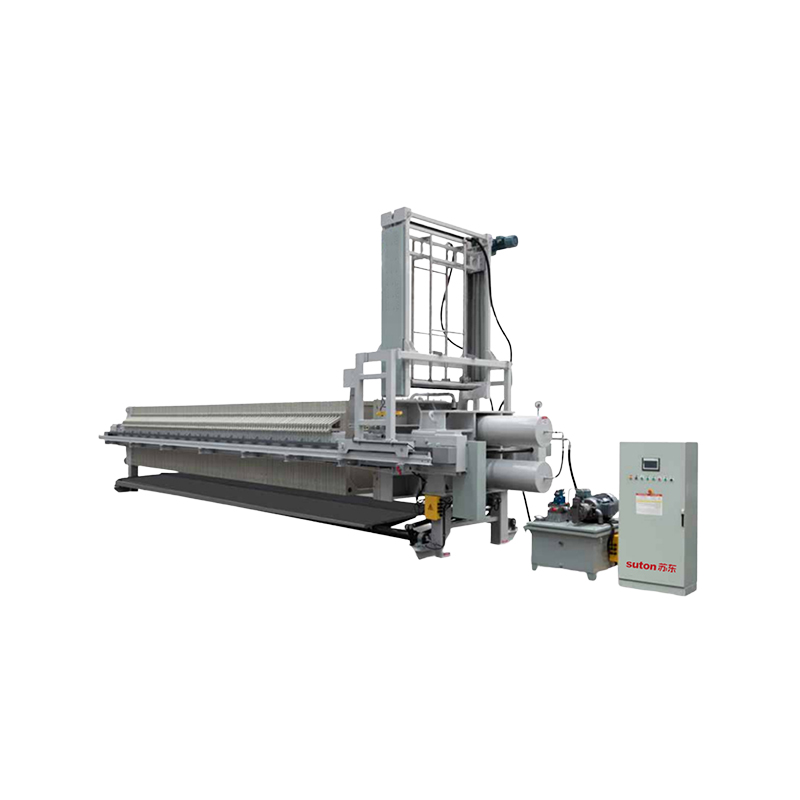
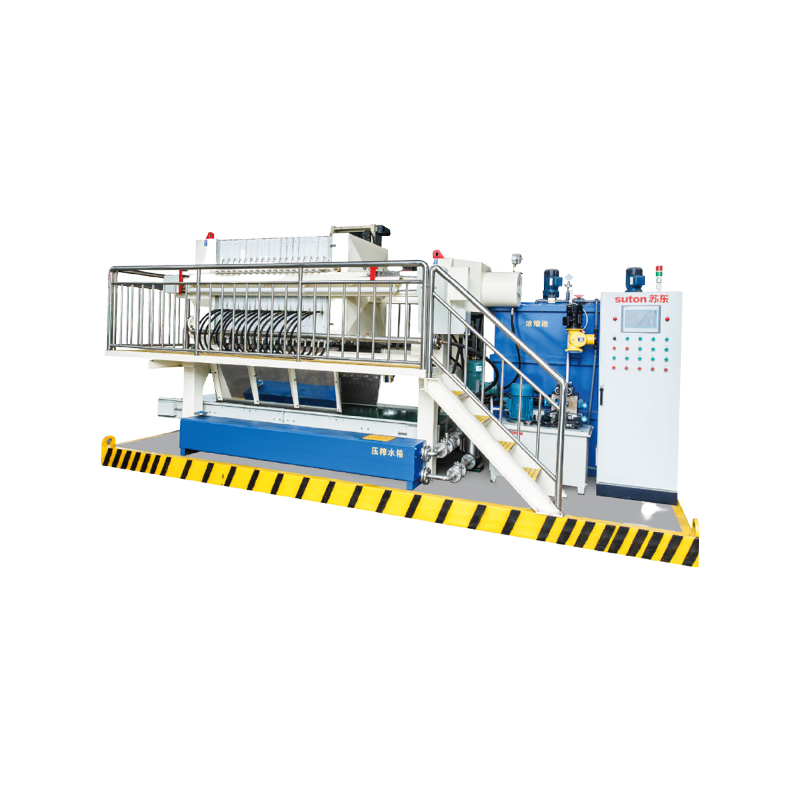
Filter press plates work by creating sealed, hollow chambers between adjacent plates when they are pressed together under high hydraulic force. A slurry (a mixture of liquid and solids) is pumped into these chambers under pressure, typically between 6 and 16 bar. The liquid passes through a filter cloth stretched across each plate's face and drains out through internal channels, while the solid particles are trapped inside the chamber, gradually building up into a solid layer called a filter cake. Once the chambers are full and the cake reaches its maximum thickness, the plates are separated and the cake is dropped out or manually removed.
Filter press plates separate solids from liquids by combining mechanical pressure, filter cloth filtration, and chamber-based cake formation. Everything else in this article explains the mechanics behind that single sentence.
The Core Components Involved
Before breaking down the process step by step, it helps to understand the four physical elements that make filter press plates function as a system.
1. The Plates Themselves
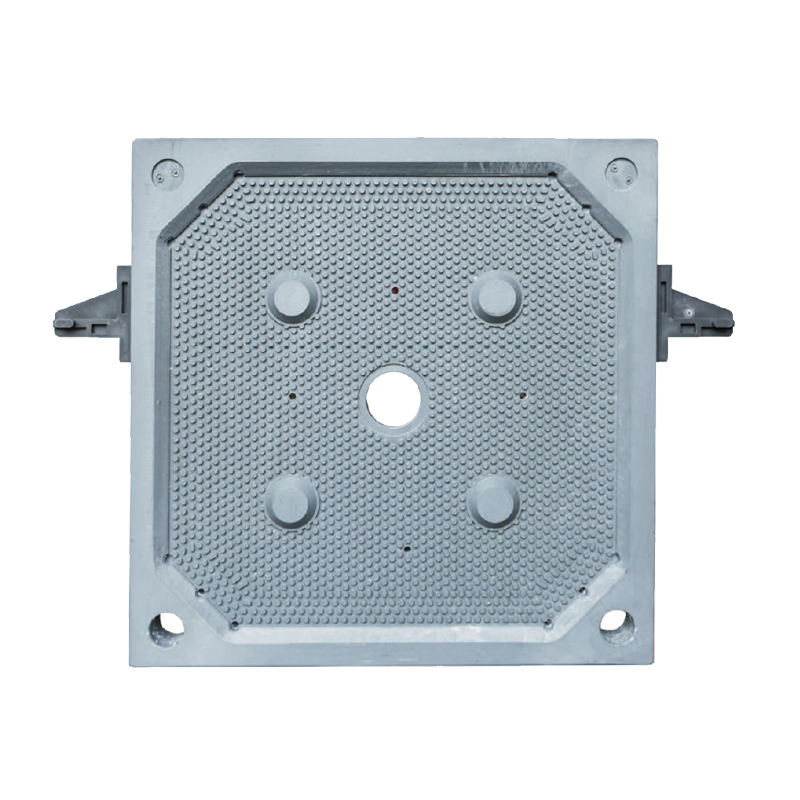
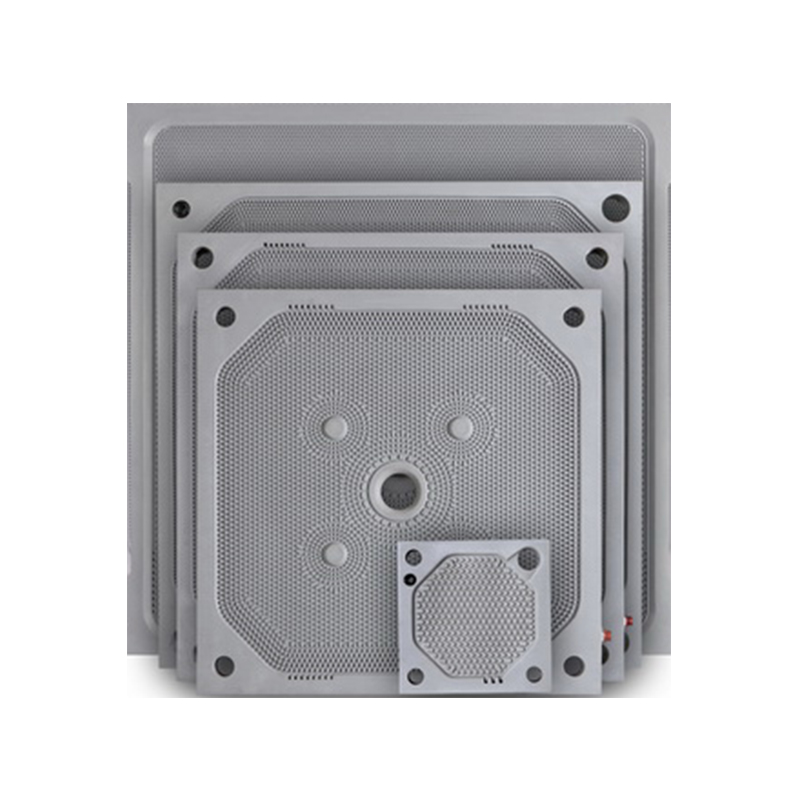
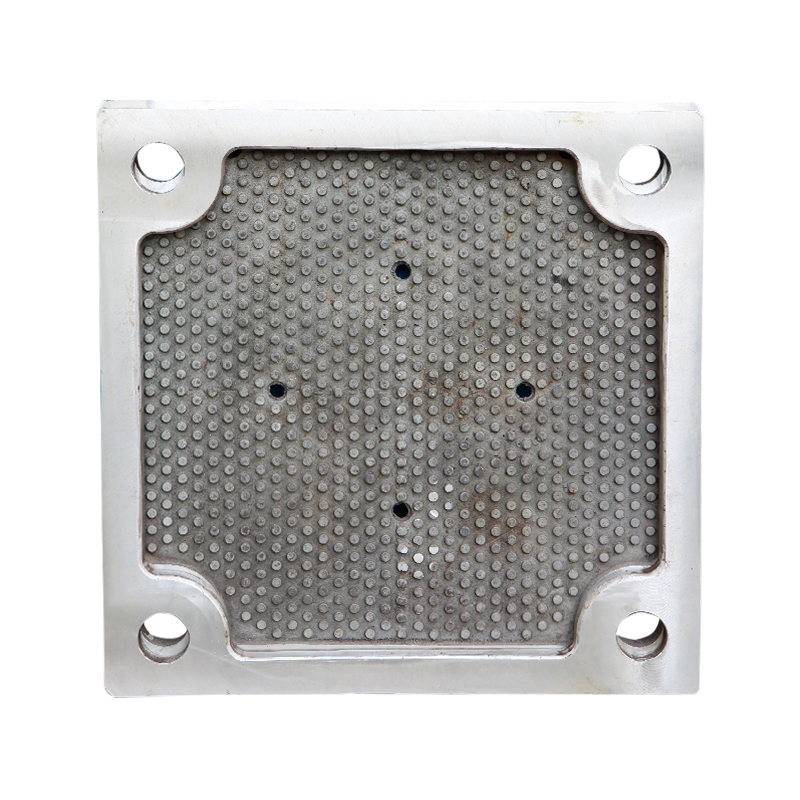
Each plate has a recessed or grooved surface that, when clamped against a neighboring plate, forms an enclosed chamber. Plates are typically made from polypropylene, cast iron, or stainless steel, with polypropylene being the most common in modern presses due to its corrosion resistance and light weight.
2. Filter Cloth
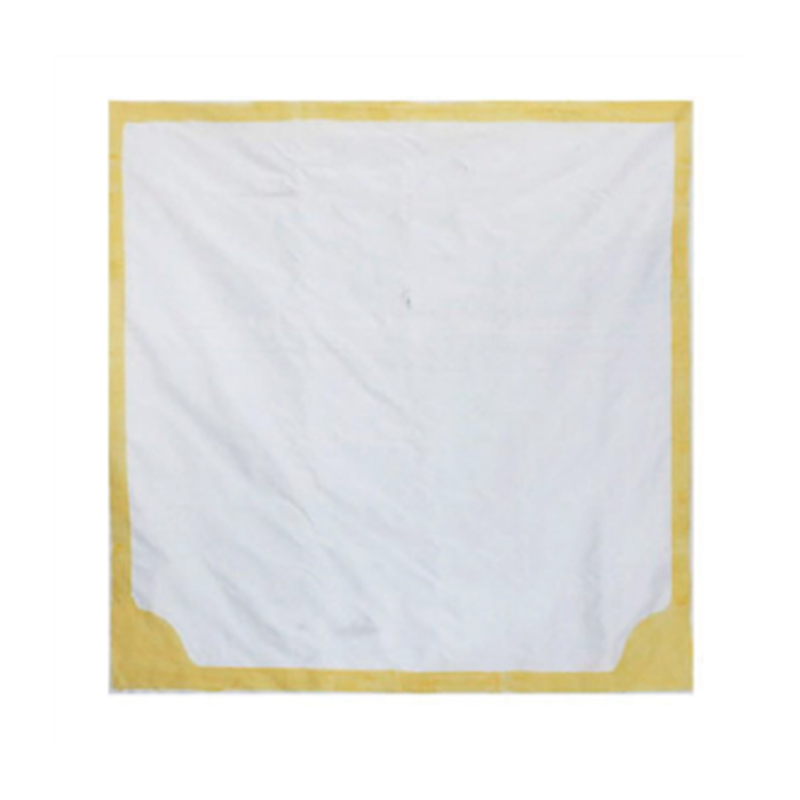
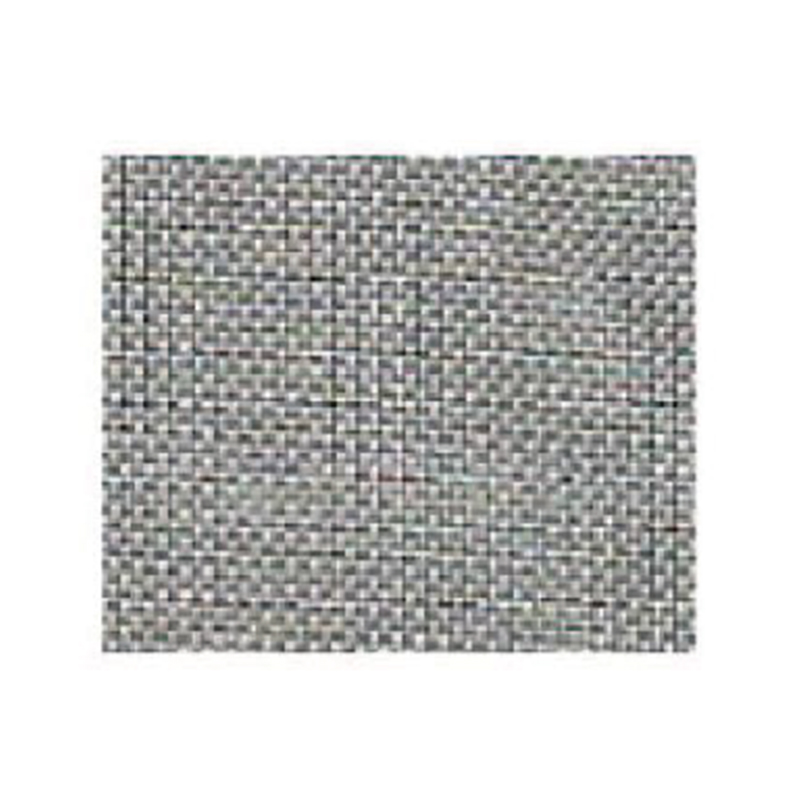
A woven or non-woven fabric is stretched over each plate face. This cloth is the actual filtration medium — the plate itself only provides structure and drainage channels.
3. Feed and Drainage Ports
Each plate has a central or corner feed hole that aligns with the others when stacked, forming a continuous feed channel. Separate drainage channels along the plate's back or edges carry filtrate (the filtered liquid) away.
4. Hydraulic Closing Mechanism
A hydraulic ram compresses the entire plate stack against a fixed end plate, sealing every chamber tightly enough to withstand feed pressure without leaking.
Step-by-Step Breakdown of the Filtration Cycle
A complete filter press cycle typically follows six distinct stages. The example figures below are based on a standard 800mm chamber press processing industrial wastewater sludge, though exact numbers vary by application.
- Plate Closing:The hydraulic system compresses all plates together, generating a closing force that can exceed 300–1,500 kN depending on press size, creating a leak-proof seal at every joint.
- Slurry Feeding:A feed pump forces slurry into the aligned feed channel, distributing it into every chamber simultaneously. Feed pressure usually starts low (around 2–3 bar) and increases progressively.
- Filtration:As pressure rises to 6–16 bar, liquid is forced through the filter cloth and drainage channels while solids accumulate against the cloth surface.
- Cake Formation:Solids continue building up on both sides of each chamber until the two layers meet in the middle, filling the chamber completely — this is what determines final cake thickness, commonly 25mm to 40mm per chamber.
- Optional Cake Washing/Drying:Some presses inject compressed air or wash water through the cake to reduce residual moisture content from around 60% down to 35–45%, improving downstream disposal or reuse.
- Plate Opening and Cake Discharge:The hydraulic ram retracts, plates separate one by one (manually, semi-automatically, or fully automatically), and the solid cakes fall or are scraped out.
A full cycle for a medium-sized press generally takes 60 to 120 minutes, though high-frequency automated presses in mining operations can cycle in under 30 minutes.
Recessed Chamber vs. Membrane Plates: A Functional Difference
Not all filter press plates work identically. The two dominant designs handle cake formation differently, which directly affects moisture content and processing time.
|
Comparison of the two most common filter press plate types |
||
|
Feature |
Recessed Chamber Plates |
Membrane Plates |
|
Cake Formation Method |
Pressure filtration only |
Pressure filtration + mechanical squeeze |
|
Typical Final Moisture |
45–55% |
30–40% |
|
Cycle Time |
Longer |
Shorter (10–30% faster) |
|
Relative Cost |
Lower |
Higher (20–40% more) |
|
Best Suited For |
General industrial slurries |
High-value or hard-to-dewater materials |
Membrane plates contain a flexible diaphragm inside each chamber. After initial filtration, compressed air or water inflates the diaphragm, squeezing the cake further and pushing out additional moisture that pressure filtration alone cannot remove. This is why membrane presses are common in mining and mineral processing, where every percentage point of moisture reduction lowers transport costs.
Why Plate Material Affects Performance
The material a plate is made from doesn't change the basic filtration mechanism, but it does affect how well the process holds up under real operating conditions.
Polypropylene Plates
Used in an estimated 90% of modern filter presses, polypropylene resists most acids, alkalis, and solvents, and its light weight (roughly one-fifth the weight of an equivalent cast iron plate) makes manual or automatic plate shifting far easier.
Cast Iron and Stainless Steel Plates
These are chosen for high-temperature or high-pressure applications, such as certain chemical or pharmaceutical processes, where polypropylene would soften or degrade. Stainless steel is preferred when product purity is critical, since it does not leach material into the filtrate.
Common Operational Issues and Their Causes
Understanding how the plates work also explains why certain problems occur. Below are the most frequent issues linked directly to plate function.
- Leakage between plates:Usually caused by insufficient closing force, warped plates, or damaged sealing surfaces — not a filter cloth problem.
- Uneven cake thickness:Often results from uneven slurry distribution through the feed channel, sometimes due to a partially blocked feed hole.
- Reduced filtrate flow over time:Typically indicates drainage channel blockage or filter cloth blinding (pore clogging), which increases resistance and slows the whole cycle.
- Cake sticking to the plate:Can happen when plate surfaces are worn smooth or when release agents/cloth conditions aren't matched to the slurry type.
Most of these issues can be traced back to plate condition, alignment, or feed distribution rather than the filter press machine as a whole — which is why plate inspection is usually the first troubleshooting step.
Key Takeaways
Filter press plates work through a repeatable, pressure-driven cycle: close, feed, filter, form cake, and discharge. The plate design (recessed vs. membrane) determines final moisture content and cycle speed, while the plate material determines chemical and thermal compatibility. For most general industrial applications, standard polypropylene recessed chamber plates offer a reliable balance of cost and performance, while membrane plates are worth the added investment when moisture reduction directly impacts downstream costs.
Contact Information
 No. 1, Sudong Road, Guxi Town, Taixing, Jiangsu, China
 +86-15720778188
 +86-523-87791016
 +86-523-87797781
 [email protected]

;void(0))