

 English
 Español
 हिंदी
हिंदी Tiếng Việt
Industry News
 Home / News / Industry News / Why Are More Manufacturing Plants Investing in Automatic Filter Press Systems?
 Why Are More Manufacturing Plants Investing in Automatic Filter Press Systems?
 2026.06.15
 Industry News
Content
- 1 How Does an Automatic Filter Press Improve Production Efficiency?
- 2 What Cost-Saving Benefits Do Automatic Filter Press Systems Offer?
- 3 Why Are Automatic Filter Press Systems Important for Environmental Compliance?
- 4 FAQ
- 4.1 What is the difference between a manual and an automatic filter press?
- 4.2 Can an automatic filter press reduce labor requirements?
- 4.3 Is an automatic filter press suitable for large-scale manufacturing plants?
- 4.4 How does automation improve filtration performance?
- 4.5 Are automatic filter presses environmentally friendly?
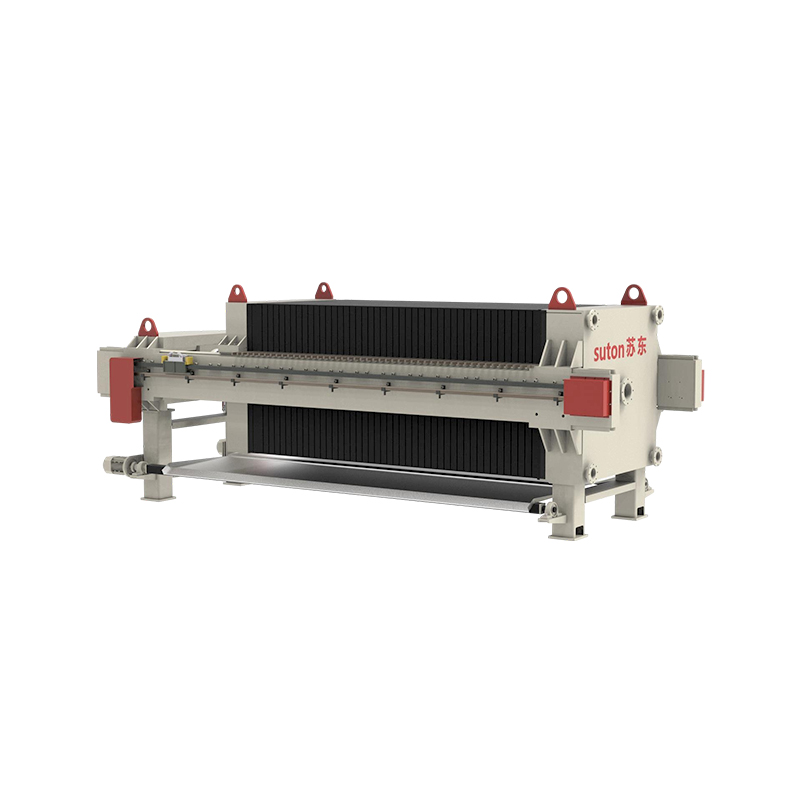
As manufacturing industries continue to pursue higher productivity, lower operating costs, and stricter environmental compliance, the demand for advanced filtration equipment has grown significantly. Among the most important innovations in solid-liquid separation technology is the automatic filter press system. Unlike traditional manual filter presses, automatic models streamline filtration operations, reduce labor requirements, and deliver consistent performance. As a result, more manufacturing plants are investing in automatic filter press systems to improve efficiency and support sustainable production.
How Does an Automatic Filter Press Improve Production Efficiency?
One of the main reasons manufacturers are upgrading to automatic filter press systems is the substantial increase in operational efficiency. Traditional filtration processes often require manual intervention for plate shifting, cake discharge, cloth cleaning, and system monitoring. These activities can slow production and increase labor costs.
Automatic filter presses integrate advanced control systems and automated mechanisms that perform these tasks with minimal human involvement.
Faster Filtration Cycles
Automated systems optimize filtration parameters and reduce downtime between cycles. Features such as automatic plate opening and cake discharge allow the equipment to return to operation quickly.
Continuous and Stable Operation
Automatic control systems monitor pressure, flow rates, and filtration performance in real time, ensuring consistent operation throughout the production process.
Reduced Human Error
Manual operations may lead to inconsistent filtration results due to operator differences. Automation helps maintain uniform filtration quality and repeatable performance.
Increased Production Capacity
By reducing idle time and improving process efficiency, manufacturing facilities can process larger volumes of slurry or wastewater within the same operating period.
|
Feature |
Operational Advantage |
|
Automatic Plate Shifting |
Faster cake discharge |
|
Automatic Cloth Washing |
Improved filtration performance |
|
PLC Control System |
Precise process management |
|
Remote Monitoring |
Real-time operational oversight |
|
Automated Cake Removal |
Reduced downtime |
These improvements enable manufacturers to maximize equipment utilization and achieve higher production output.
What Cost-Saving Benefits Do Automatic Filter Press Systems Offer?
While the initial investment in an automatic filter press may be higher than a manual system, the long-term financial benefits often justify the expenditure.
Lower Labor Costs
Automation significantly reduces the need for manual operation and supervision. Plants can allocate personnel to higher-value tasks while maintaining efficient filtration processes.
Reduced Maintenance Requirements
Modern automatic filter presses are designed with intelligent monitoring systems that help identify issues before they become major problems. This proactive approach can reduce unexpected downtime and maintenance expenses.
Lower Disposal and Transportation Costs
Automatic filter presses typically achieve higher cake dryness levels, reducing sludge volume and lowering transportation and disposal fees.
Improved Resource Recovery
In many industries, valuable materials can be recovered during the filtration process. Efficient automatic systems help maximize product recovery and reduce material losses.
|
Cost Factor |
Benefit of Automation |
|
Labor Expenses |
Reduced staffing requirements |
|
Downtime Costs |
Improved equipment availability |
|
Sludge Disposal |
Lower transportation expenses |
|
Maintenance Costs |
Predictive monitoring capabilities |
|
Material Recovery |
Increased process efficiency |
For manufacturers seeking greater profitability, these savings can accumulate significantly over the lifespan of the equipment.
Why Are Automatic Filter Press Systems Important for Environmental Compliance?
Environmental regulations are becoming increasingly stringent across industries. Manufacturing plants must carefully manage wastewater, sludge, and process residues to avoid penalties and maintain sustainable operations.
Automatic filter press systems help companies meet these requirements in several ways.
Enhanced Wastewater Treatment
By effectively separating solids from liquids, automatic filter presses improve wastewater quality before discharge or further treatment.
Reduced Waste Generation
Higher dewatering efficiency produces drier filter cakes, minimizing waste volume and reducing environmental impact.
Improved Resource Conservation
Many facilities recycle filtrate water back into production processes. Efficient filtration supports water conservation initiatives and reduces freshwater consumption.
Support for Sustainable Manufacturing
Companies increasingly prioritize sustainability as part of their corporate strategy. Investing in automated filtration technology demonstrates a commitment to environmental responsibility and operational excellence.
Industries that commonly adopt automatic filter press systems include:
- Chemical manufacturing
- Mining and mineral processing
- Food and beverage production
- Pharmaceutical manufacturing
- Metal processing and electroplating
- Textile manufacturing
- Municipal wastewater treatment
At Jiangsu Sudong Chemical Machinery Co., Ltd., we provide advanced automatic filter press solutions designed to help customers improve filtration efficiency, reduce operating costs, and meet increasingly demanding environmental standards. Our systems combine reliable engineering, intelligent automation, and durable construction to support a wide range of industrial applications.
FAQ
What is the difference between a manual and an automatic filter press?
A manual filter press requires operators to perform tasks such as plate opening and cake removal, while an automatic filter press uses automated mechanisms and control systems to complete these functions with minimal human intervention.
Can an automatic filter press reduce labor requirements?
Yes. Automation significantly reduces manual handling, allowing facilities to operate more efficiently with fewer personnel dedicated to filtration processes.
Is an automatic filter press suitable for large-scale manufacturing plants?
Absolutely. Automatic systems are particularly valuable for facilities with high processing volumes, continuous production schedules, and strict efficiency requirements.
How does automation improve filtration performance?
Automated controls maintain consistent operating conditions, optimize filtration cycles, and reduce the risk of human error, resulting in more reliable filtration outcomes.
Are automatic filter presses environmentally friendly?
Yes. They improve wastewater treatment efficiency, reduce sludge volume, support water recycling, and help facilities comply with environmental regulations.


Contact Information
 No. 1, Sudong Road, Guxi Town, Taixing, Jiangsu, China
 +86-15720778188
 +86-523-87791016
 +86-523-87797781
 [email protected]

;void(0))