

 English
 Español
 हिंदी
हिंदी Tiếng Việt
Industry News

Why Is a Filter Press Essential in Wastewater Treatment Processes?
 2026.06.09
 Industry News
Content
Wastewater treatment is a critical process for industries and municipalities aiming to protect the environment, comply with regulations, and reduce operating costs. Among the various pieces of equipment used in wastewater treatment systems, the filter press plays a vital role in separating solids from liquids and producing a cleaner effluent. Its ability to efficiently dewater sludge makes it one of the most widely used solutions in modern wastewater treatment facilities.
How Does a Filter Press Work in Wastewater Treatment?
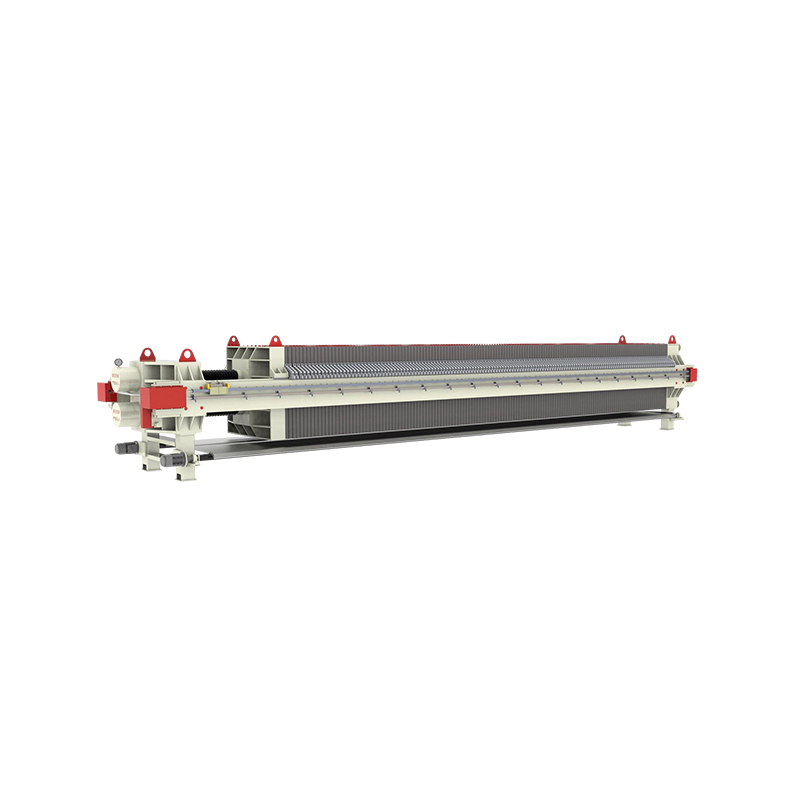
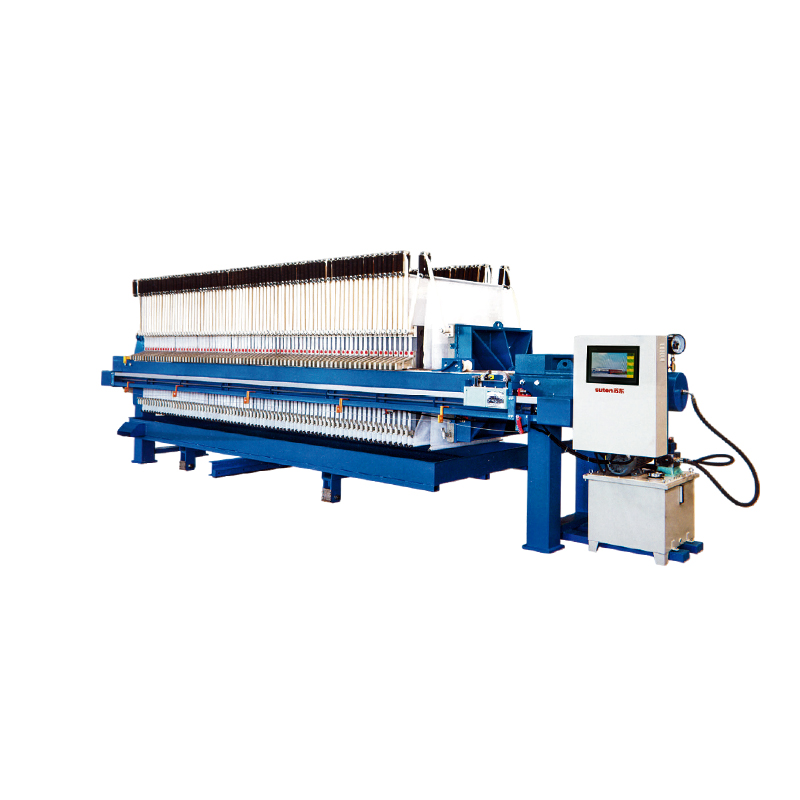
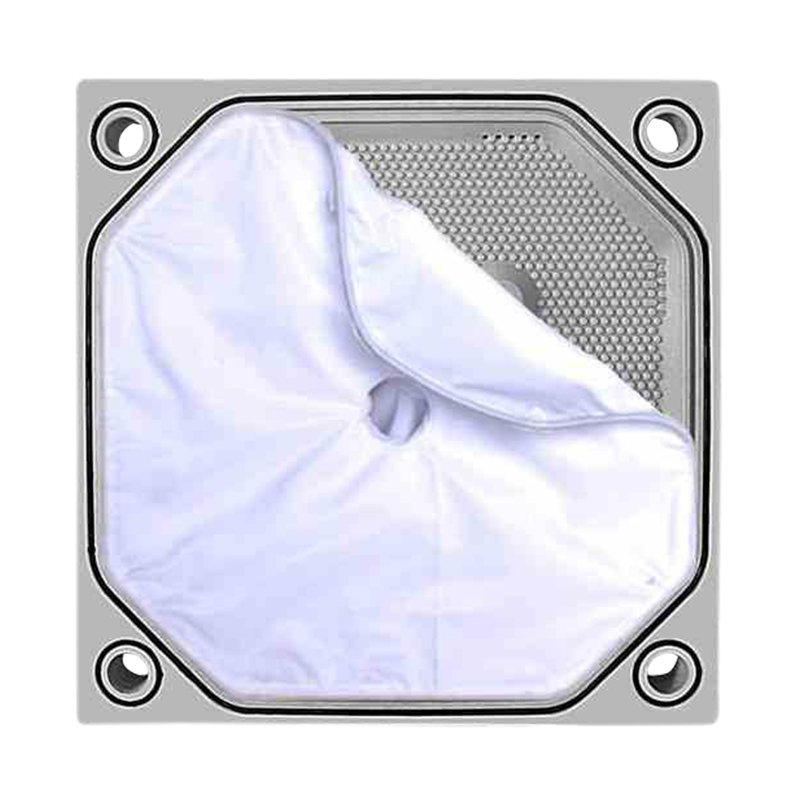
A filter press is a mechanical dewatering device designed to separate suspended solids from wastewater. During operation, sludge is pumped into a series of filter chambers formed by filter plates and filter cloths. As pressure builds within the chambers, water passes through the filter cloth while solid particles are retained.
The result is two distinct outputs:
- Clarified filtrate (liquid)
- Dewatered filter cake (solid waste)
This process significantly reduces the volume of sludge, making it easier and more economical to handle, transport, and dispose of.
|
Process Stage |
Function |
|
Sludge Feeding |
Pumps sludge into filter chambers |
|
Pressure Filtration |
Separates liquid from solids |
|
Filtrate Collection |
Collects clarified water |
|
Cake Formation |
Creates compact sludge cakes |
|
Cake Discharge |
Removes dewatered solids |
Because of its high-pressure operation, a filter press can achieve lower moisture content in sludge compared to many alternative dewatering technologies.
What Benefits Does a Filter Press Provide for Wastewater Treatment Facilities?
The growing demand for efficient wastewater management has increased the importance of filter press systems. Their advantages extend beyond simple solid-liquid separation.
Reduced Sludge Volume
One of the primary goals of wastewater treatment is minimizing sludge volume. A filter press removes a significant amount of water from sludge, reducing disposal and transportation costs.
Improved Environmental Compliance
Many industries must comply with strict environmental regulations regarding wastewater discharge and sludge disposal. A filter press helps facilities meet these requirements by producing cleaner filtrate and reducing waste volume.
Lower Disposal Costs
Sludge disposal can account for a substantial portion of wastewater treatment expenses. By producing drier filter cakes, a filter press decreases the amount of waste requiring transportation and landfill space.
High Filtration Efficiency
Modern filter presses are designed to achieve excellent solid capture rates, resulting in clearer filtrate and improved treatment performance.
Automation Capabilities
Many advanced filter press systems feature automatic plate shifting, automatic cloth washing, and programmable control systems, reducing labor requirements and increasing operational efficiency.
|
Benefit |
Impact on Operations |
|
Sludge Volume Reduction |
Lower transportation costs |
|
Cleaner Filtrate |
Better water quality |
|
Automated Operation |
Reduced labor costs |
|
High Cake Dryness |
Easier sludge handling |
|
Reliable Performance |
Consistent treatment results |
For facilities seeking long-term operational savings, investing in a high-quality filter press can provide substantial economic and environmental benefits.
Which Industries Commonly Use Filter Presses for Wastewater Treatment?
Filter presses are highly versatile and can handle a wide range of wastewater streams across different industries. Their adaptability makes them a preferred choice for both municipal and industrial applications.
Municipal Wastewater Treatment Plants
Cities and municipalities use filter presses to dewater sewage sludge before disposal or further treatment.
Chemical Manufacturing
Chemical production often generates wastewater containing suspended solids and chemical residues. Filter presses help recover solids and improve wastewater quality.
Mining and Mineral Processing
Mining operations produce large volumes of slurry and tailings. Filter presses efficiently separate valuable solids from water, supporting resource recovery and environmental management.
Food and Beverage Processing
Food manufacturers use filter presses to treat wastewater generated during production, helping reduce environmental impact while maintaining regulatory compliance.
Pharmaceutical Industry
Pharmaceutical facilities require effective wastewater treatment systems to manage production by-products and ensure environmental protection.
Metal Finishing and Electroplating
These industries generate wastewater containing metal particles and sludge that can be effectively dewatered using filter press technology.
At Jiangsu Sudong Chemical Machinery Co., Ltd., we understand the critical role that reliable filtration equipment plays in wastewater treatment operations. Our filter press solutions are engineered to provide efficient sludge dewatering, stable performance, and long service life, helping customers improve operational efficiency while meeting environmental standards.
FAQ
What is the main purpose of a filter press in wastewater treatment?
The primary purpose of a filter press is to separate solids from liquids and reduce sludge volume by removing excess water.
How dry can the sludge cake become after filtration?
The final moisture content depends on sludge characteristics, operating conditions, and filter press design. Many systems can produce significantly drier cakes than conventional dewatering equipment.
Is a filter press suitable for industrial wastewater?
Yes. Filter presses are widely used in industries such as chemical processing, mining, food production, pharmaceuticals, metallurgy, and municipal wastewater treatment.
Does a filter press require extensive maintenance?
Routine maintenance is relatively straightforward and typically includes inspection of filter cloths, hydraulic systems, plates, and pumps to ensure optimal performance.
Can an automatic filter press improve productivity?
Yes. Automatic filter presses reduce manual intervention, shorten cycle times, and improve overall operational efficiency, making them ideal for large-scale wastewater treatment facilities.
A filter press has become an essential component of modern wastewater treatment processes because it delivers efficient solid-liquid separation, reduces sludge disposal costs, improves environmental compliance, and enhances operational efficiency. Whether used in municipal plants or industrial facilities, a well-designed filter press provides a reliable and cost-effective solution for managing wastewater sludge and supporting sustainable operations.

Contact Information
 No. 1, Sudong Road, Guxi Town, Taixing, Jiangsu, China
 +86-15720778188
 +86-523-87791016
 +86-523-87797781
 [email protected]

;void(0))