

 English
 Español
 हिंदी
हिंदी Tiếng Việt
Industry News
 Home / News / Industry News / Filter Press Cloth Buying Guide: Features, Benefits, and Selection Tips
 Filter Press Cloth Buying Guide: Features, Benefits, and Selection Tips
 2026.08.03
 Industry News
Content
- 1 Why Filter Press Cloth Matters
- 2 Key Features to Consider When Buying Filter Press Cloth
- 3 Common Filter Press Cloth Materials
- 4 Benefits of High-Quality Filter Press Cloth
- 5 How to Choose the Right Filter Press Cloth
- 6 Common Mistakes to Avoid When Buying Filter Press Cloth
- 7 Maintenance Tips to Extend Filter Press Cloth Life
- 8 Why Work with a Professional Filter Press Cloth Supplier?
- 9 FAQ
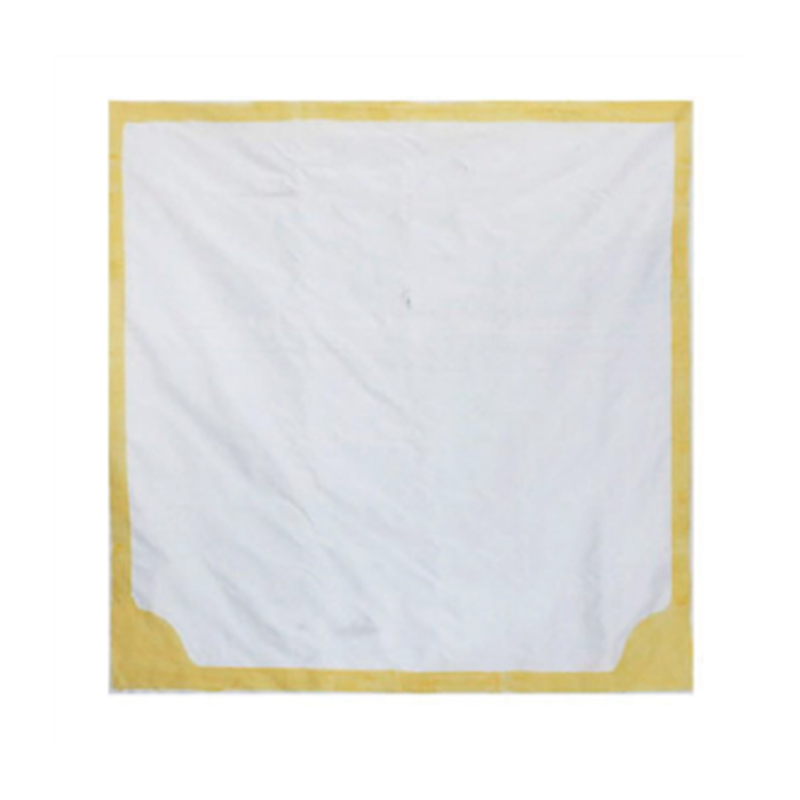
Filter press cloth is one of the most important consumable components in a filter press system. It acts as the primary filtration medium, allowing liquids to pass through while retaining solid particles to form a filter cake. The quality and suitability of the filter press cloth have a direct impact on filtration efficiency, filtrate clarity, filter cake moisture, equipment productivity, and operating costs.
With a wide range of materials, weave patterns, filtration accuracies, and surface treatments available, selecting the right filter press cloth can be challenging. A cloth that performs well in one application may not be suitable for another due to differences in slurry composition, operating temperature, chemical exposure, or production requirements.
Why Filter Press Cloth Matters
In any filter press, the cloth serves as the separation barrier between solids and liquids. During operation, slurry is pumped into the filter chambers, where the filter cloth retains suspended solids while allowing the filtrate to flow through.
An appropriate filter press cloth provides:
- High filtration efficiency
- Excellent filtrate clarity
- Uniform filter cake formation
- Easy cake release
- Stable operating pressure
- Long service life
Choosing the wrong cloth may result in slower filtration, excessive cake moisture, clogged pores, frequent replacement, and higher maintenance costs.
Key Features to Consider When Buying Filter Press Cloth
Not all filter press cloths are the same. Understanding their technical characteristics helps ensure the best performance for your application.
Material Composition
The material determines the cloth’s strength, chemical resistance, temperature tolerance, and durability.
Common materials include:
- Polypropylene (PP)
- Polyester (PET)
- Nylon (PA)
- Polyvinylidene Fluoride (PVDF)
- Cotton (for limited specialized applications)
Each material offers different advantages depending on the filtration environment.
Filtration Accuracy
Filtration accuracy is determined by the pore size and weave structure of the cloth.
Finer pore sizes produce cleaner filtrate but may reduce filtration speed. Coarser cloths improve flow rates while allowing larger particles to pass.
Balancing filtration precision and productivity is essential.
Chemical Resistance
Industrial slurries often contain acids, alkalis, solvents, or corrosive chemicals. The filter cloth must withstand these environments without degrading.
Before purchasing, verify compatibility with:
- Acids
- Alkalis
- Organic solvents
- Oxidizing chemicals
- Salt solutions
Temperature Resistance
High-temperature filtration processes require filter cloths capable of maintaining mechanical strength under elevated temperatures.
Different synthetic fibers have varying temperature limits.
Mechanical Strength
Repeated filtration cycles place continuous stress on the cloth.
A high-quality filter press cloth should provide:
- High tensile strength
- Abrasion resistance
- Tear resistance
- Dimensional stability
These properties help reduce replacement frequency and maintenance costs.
Common Filter Press Cloth Materials
Selecting the appropriate material is one of the most important purchasing decisions.
|
Material |
Main Advantages |
Typical Applications |
|
Polypropylene (PP) |
Excellent chemical resistance, lightweight, cost-effective |
Chemical processing, wastewater treatment |
|
Polyester (PET) |
High mechanical strength, abrasion resistance |
Mining, ceramics, metallurgy |
|
Nylon (PA) |
Excellent flexibility and wear resistance |
Fine particle filtration |
|
PVDF |
Outstanding chemical and temperature resistance |
Pharmaceutical and high-purity chemical industries |
|
Cotton |
Good natural filtration properties |
Limited specialty applications |
Each material offers unique performance characteristics, making proper selection critical for achieving optimal filtration results.
Benefits of High-Quality Filter Press Cloth
Investing in premium filter press cloth provides significant operational advantages.
Higher Filtration Efficiency
Properly selected cloths improve liquid flow while retaining fine particles, reducing filtration cycle times and increasing production capacity.
Improved Filtrate Quality
Consistent pore size distribution produces cleaner filtrate, minimizing downstream processing requirements.
Lower Filter Cake Moisture
Efficient drainage through the filter cloth contributes to better dewatering and lower moisture content in the filter cake.
Longer Service Life
High-strength synthetic fibers resist wear, stretching, and chemical degradation, reducing replacement frequency.
Lower Operating Costs
Although premium filter cloths may have a higher purchase price, they often reduce total operating costs through:
- Longer lifespan
- Lower maintenance
- Improved productivity
- Reduced downtime
- Better filtration performance
How to Choose the Right Filter Press Cloth
Every filtration process is unique, so selecting the correct filter cloth requires evaluating multiple operating conditions.
Analyze Your Slurry
Consider:
- Particle size
- Solid concentration
- Viscosity
- pH value
- Chemical composition
- Temperature
These characteristics determine the most suitable filter cloth material and weave.
Identify Your Filtration Goals
Different industries prioritize different outcomes.
Possible objectives include:
- Maximum filtration speed
- Lowest cake moisture
- Highest filtrate clarity
- Easy cake release
- Long cloth life
Your filtration priorities should guide cloth selection.
Match the Cloth to Your Equipment
Ensure the cloth is compatible with your filter press model, including:
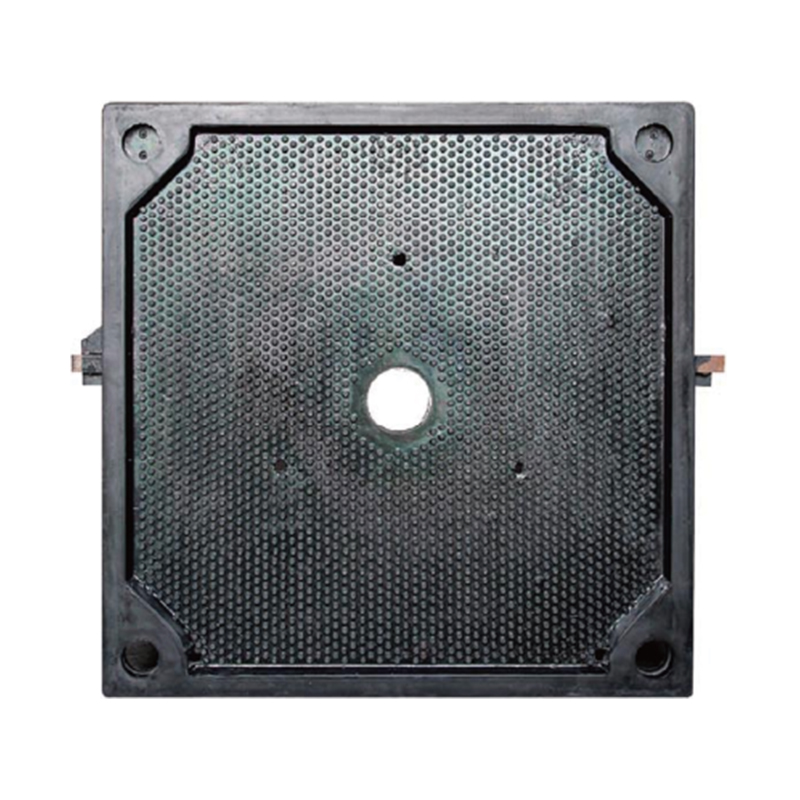
- Plate dimensions
- Plate design
- Feed hole configuration
- Fastening method
- Plate sealing surfaces
Proper fit minimizes leakage and improves operational reliability.
Consider Surface Treatments
Some filter cloths include specialized surface treatments to enhance performance.
Examples include:
- Calendered surfaces
- Heat setting
- Water-repellent coatings
- Anti-static treatments
- Smooth cake-release finishes
These treatments may improve filtration efficiency in demanding applications.
Common Mistakes to Avoid When Buying Filter Press Cloth
Purchasing decisions based solely on price often lead to higher long-term costs.
Avoid these common mistakes:
- Choosing the lowest-cost cloth without considering performance.
- Ignoring chemical compatibility.
- Selecting incorrect pore size.
- Overlooking operating temperature.
- Failing to match the cloth to the filter plate design.
- Replacing cloths too late, after filtration efficiency has already declined.
- Neglecting supplier technical support.
Working with an experienced manufacturer helps avoid costly selection errors.
Maintenance Tips to Extend Filter Press Cloth Life
Proper maintenance is essential for maximizing cloth performance.
Recommended practices include:
- Clean cloths after each production cycle.
- Avoid drying slurry on the cloth surface.
- Use suitable cleaning chemicals.
- Inspect for tears and abrasion regularly.
- Store spare cloths in clean, dry conditions.
- Avoid excessive operating pressure.
- Replace damaged cloths promptly.
Routine maintenance not only extends cloth life but also maintains consistent filtration efficiency.
|
Maintenance Task |
Recommended Frequency |
|
Visual inspection |
Before each filtration cycle |
|
Cleaning |
After each cycle or as required |
|
Deep cleaning |
Periodically based on slurry characteristics |
|
Performance evaluation |
Monthly |
|
Replacement |
When filtration efficiency declines significantly |
Why Work with a Professional Filter Press Cloth Supplier?
Choosing the right supplier is just as important as selecting the right product.
A reliable manufacturer should offer:
- High-quality raw materials
- Consistent manufacturing standards
- Customized cloth designs
- Technical application support
- Fast delivery
- Stable product quality
- Competitive pricing
- Comprehensive after-sales service
Professional suppliers can also recommend the most suitable cloth based on your specific filtration process, reducing trial-and-error costs.
FAQ
Q1: What is the best material for filter press cloth?
There is no universal best material. Polypropylene is widely used for its excellent chemical resistance, while polyester offers superior mechanical strength. The ideal choice depends on your slurry composition, operating temperature, and filtration requirements.
Q2: How long does filter press cloth typically last?
Service life varies based on operating conditions, slurry abrasiveness, chemical exposure, and maintenance practices. With proper care, high-quality filter cloths can remain effective for many months before replacement is required.
Q3: How do I know when a filter press cloth should be replaced?
Signs include slower filtration rates, cloudy filtrate, excessive filter cake moisture, visible tears, clogged pores that cannot be cleaned effectively, or increased operating pressure.
Q4: Can one type of filter press cloth be used for all applications?
No. Different industries and slurry types require different cloth materials, weave patterns, and filtration accuracies. Selecting the correct cloth for each application is essential for achieving optimal performance.
Q5: How can I improve the performance of my filter press cloth?
Regular cleaning, correct operating pressure, proper slurry conditioning, timely replacement of worn cloths, and selecting the appropriate material for your process are the most effective ways to maximize filtration efficiency and extend service life.
Contact Information
 No. 1, Sudong Road, Guxi Town, Taixing, Jiangsu, China
 +86-15720778188
 +86-523-87791016
 +86-523-87797781
 [email protected]

;void(0))