

 English
 Español
 हिंदी
हिंदी Tiếng Việt
Industry News

What Should You Consider Before Buying a Chamber Filter Press?
 2026.08.10
 Industry News
Content
- 1 What Should You Consider Before Buying a Chamber Filter Press?
- 2 Why Is Choosing the Right Chamber Filter Press So Important?
- 3 Understand Your Slurry Characteristics First
- 4 Determine the Required Processing Capacity
- 5 Evaluate Filter Plate Size and Chamber Volume
- 6 Choose the Right Filter Plate Material
- 7 Consider Automation Level
- 8 Hydraulic System Reliability Matters
- 9 Feed Pump Matching Is Essential
- 10 Evaluate Filter Cloth Selection
- 11 Installation Space and Facility Requirements
- 12 Maintenance Requirements
- 13 Energy Efficiency and Operating Costs
- 14 Environmental Compliance
- 15 Assess Manufacturer Experience and Technical Support
- 16 Compare Total Cost of Ownership
- 17 FAQ
What Should You Consider Before Buying a Chamber Filter Press?
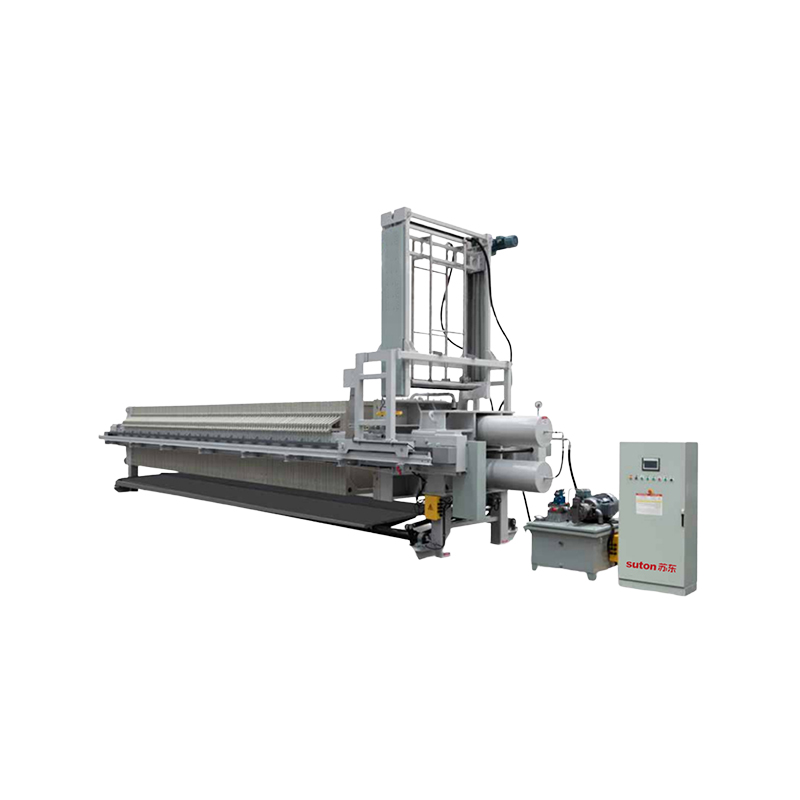
Selecting the right Chamber Filter Press is a critical decision for industries that rely on efficient solid-liquid separation. Whether you operate in mining, chemical processing, wastewater treatment, food production, pharmaceuticals, or metallurgy, the filter press you choose will directly influence filtration efficiency, operating costs, maintenance requirements, and overall productivity.
A Chamber Filter Press is designed to separate solids from liquids by applying pressure to slurry pumped into a series of recessed filter plates. The resulting filter cake can often achieve a high solids content, making disposal or further processing more economical. However, because every production process differs in terms of slurry characteristics, throughput, automation requirements, and environmental standards, choosing the right equipment requires careful evaluation of multiple technical and operational factors.
This guide explains the most important considerations before investing in a Chamber Filter Press, helping buyers make informed purchasing decisions and maximize long-term return on investment.
Why Is Choosing the Right Chamber Filter Press So Important?
A Chamber Filter Press is more than just a filtration device—it is an essential component of an entire production process. Selecting equipment that is too small may create production bottlenecks, while purchasing an oversized machine can increase unnecessary capital investment and operating costs.
An appropriately selected Chamber Filter Press can offer numerous benefits, including:
- Higher filtration efficiency
- Lower moisture content in filter cake
- Reduced energy consumption
- Longer equipment lifespan
- Lower maintenance costs
- Improved environmental compliance
- Increased production capacity
Conversely, poor equipment selection can lead to frequent downtime, excessive cloth replacement, poor filtration performance, and increased labor expenses.
Understand Your Slurry Characteristics First
The first step in selecting a Chamber Filter Press is understanding the properties of the material you intend to filter. Every slurry behaves differently, and these differences significantly affect equipment performance.
Important slurry characteristics include:
- Solid concentration
- Particle size distribution
- Particle hardness
- Slurry viscosity
- pH value
- Chemical composition
- Abrasiveness
- Temperature
- Corrosiveness
For example, slurries containing fine clay particles generally require longer filtration cycles than coarse mineral slurries. Highly viscous materials may require higher feed pressure, while corrosive chemicals demand specially selected filter plate materials and piping components.
Providing accurate slurry data to the manufacturer allows engineers to recommend the most suitable filtration configuration.
Determine the Required Processing Capacity
Production capacity is one of the most important purchasing considerations.
Questions to ask include:
- How many cubic meters of slurry need to be processed each hour?
- Will production increase in the next five years?
- Is continuous operation required?
- What is the desired filtration cycle time?
Choosing equipment based only on current production may result in future capacity limitations. Many industrial facilities prefer selecting equipment with moderate expansion capability to accommodate future growth.
A typical capacity evaluation includes:
|
Capacity Factor |
Importance |
|
Slurry volume |
Determines press size |
|
Operating hours |
Influences equipment selection |
|
Filtration cycle |
Affects production efficiency |
|
Daily production target |
Determines automation level |
Evaluate Filter Plate Size and Chamber Volume
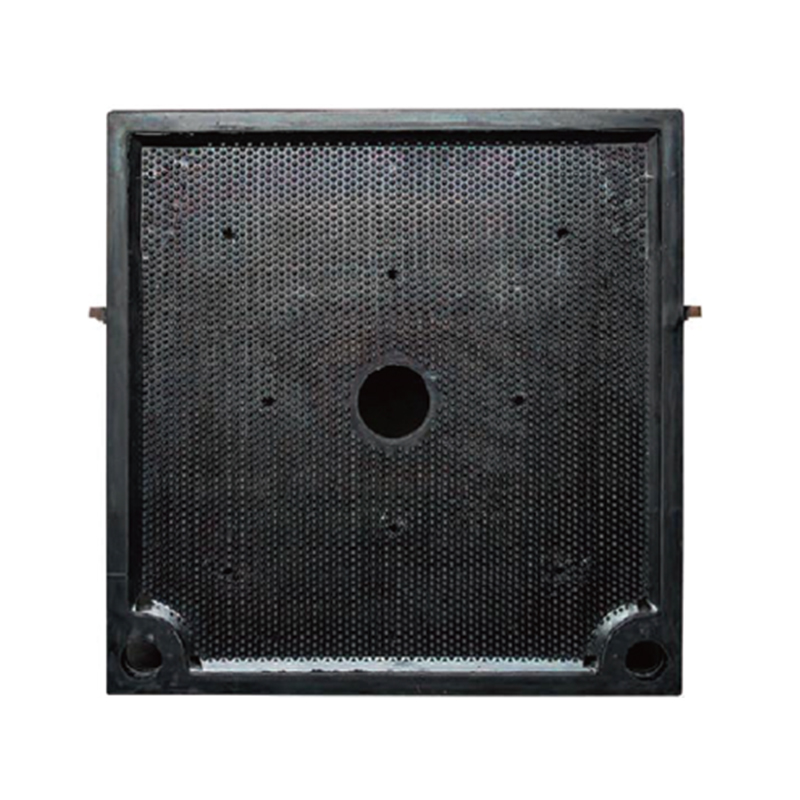
Filter plates largely determine the filtration area and filter cake capacity.
Larger plates generally provide:
- Higher processing capacity
- Larger filtration area
- Greater cake volume
- Fewer filtration cycles
However, larger equipment also requires:
- More installation space
- Larger hydraulic systems
- Higher initial investment
Common plate sizes include:
|
Plate Size |
Typical Application |
|
500 × 500 mm |
Small laboratories |
|
630 × 630 mm |
Small industrial production |
|
800 × 800 mm |
Medium production lines |
|
1000 × 1000 mm |
Large industrial plants |
|
1250 × 1250 mm |
Heavy-duty applications |
|
1500 × 1500 mm |
High-capacity processing |
|
2000 × 2000 mm |
Large mining operations |
Selecting the proper plate size depends on production requirements rather than simply choosing the largest available model.
Choose the Right Filter Plate Material
Filter plates operate under high pressure and repeated mechanical stress. Their material directly influences durability and chemical resistance.
Common materials include:
|
Material |
Advantages |
Suitable Industries |
|
Polypropylene (PP) |
Chemical resistance, lightweight |
Chemical, wastewater |
|
Reinforced PP |
High strength |
Mining, metallurgy |
|
PVDF |
Excellent corrosion resistance |
Strong acids |
|
Stainless Steel |
High temperature resistance |
Food, pharmaceutical |
Polypropylene remains the most commonly used material because it offers an excellent balance between performance, durability, and cost.
Consider Automation Level
Modern Chamber Filter Presses are available in different automation configurations.
Options include:
- Manual plate shifting
- Semi-automatic operation
- Automatic plate shifting
- Automatic cake discharge
- Automatic cloth washing
- Automatic drip tray
- PLC control system
- Remote monitoring
- SCADA integration
Fully automatic systems reduce labor costs, improve production consistency, and minimize operator intervention, making them ideal for large-scale manufacturing.
Hydraulic System Reliability Matters
The hydraulic system provides the clamping force necessary to maintain sealing during filtration.
Important considerations include:
- Hydraulic pressure stability
- Cylinder quality
- Oil leakage prevention
- Pressure monitoring
- Automatic pressure compensation
- Emergency safety protection
A reliable hydraulic system ensures stable filtration pressure and reduces downtime.
Feed Pump Matching Is Essential
Even the best Chamber Filter Press cannot perform efficiently without a properly matched feed pump.
Factors affecting pump selection include:
- Feed pressure
- Slurry concentration
- Pump flow rate
- Abrasion resistance
- Pump control method
Many manufacturers recommend centrifugal pumps for low-pressure applications and piston or diaphragm pumps for higher-pressure filtration systems.
Evaluate Filter Cloth Selection
Filter cloth selection significantly influences filtration quality.
Factors include:
- Material
- Weave structure
- Permeability
- Chemical resistance
- Temperature resistance
- Cake release performance
Common filter cloth materials include polypropylene, polyester, nylon, and special synthetic fibers.
Selecting the correct cloth can dramatically reduce filtration time while improving cake dryness.
Installation Space and Facility Requirements
Before purchasing, evaluate your factory layout.
Consider:
- Machine footprint
- Ceiling height
- Maintenance clearance
- Crane availability
- Slurry pipeline routing
- Drainage system
- Electrical supply
- Compressed air availability
Proper planning simplifies installation and future maintenance.
Maintenance Requirements
Routine maintenance affects long-term operating costs.
Look for equipment offering:
- Easy filter cloth replacement
- Accessible hydraulic components
- Standardized spare parts
- Wear-resistant components
- Self-diagnostic control systems
Regular maintenance extends equipment life while maintaining filtration efficiency.
Energy Efficiency and Operating Costs
Purchase price represents only part of the total investment.
Long-term operating costs include:
- Electricity consumption
- Hydraulic oil
- Filter cloth replacement
- Spare parts
- Labor
- Maintenance
- Downtime
- Water consumption
An energy-efficient Chamber Filter Press often delivers significant savings over its service life.
Environmental Compliance
Many industries must comply with increasingly strict environmental regulations.
Modern Chamber Filter Presses help achieve compliance by:
- Reducing wastewater volume
- Increasing filter cake dryness
- Recovering process water
- Minimizing chemical discharge
- Lowering waste disposal costs
These benefits support both sustainability initiatives and operational efficiency.
Assess Manufacturer Experience and Technical Support
The equipment supplier is just as important as the machine itself.
When evaluating manufacturers, consider:
- Years of manufacturing experience
- Engineering capabilities
- Quality certifications
- Export experience
- Customization capability
- Spare parts availability
- Installation services
- Technical training
- After-sales support
- Warranty terms
An experienced manufacturer can provide customized solutions based on specific process requirements rather than offering a standard product.
Compare Total Cost of Ownership
Instead of focusing solely on the purchase price, evaluate the Total Cost of Ownership (TCO).
|
Cost Category |
Long-Term Impact |
|
Initial equipment cost |
Capital investment |
|
Energy consumption |
Operating expenses |
|
Spare parts |
Maintenance budget |
|
Filter cloth replacement |
Recurring cost |
|
Labor |
Operating efficiency |
|
Downtime |
Production losses |
|
Equipment lifespan |
Return on investment |
In many cases, a higher-quality Chamber Filter Press provides lower lifetime costs despite a higher initial purchase price.
FAQ
Q1: What industries commonly use Chamber Filter Presses?
A: Chamber Filter Presses are widely used in mining, wastewater treatment, chemical processing, metallurgy, food and beverage, pharmaceuticals, ceramics, pigments, and paper manufacturing.
Q2: How do I determine the correct size of a Chamber Filter Press?
A: Equipment size should be based on slurry volume, filtration cycle time, production capacity, filter cake volume, and future expansion requirements.
Q3: Is a fully automatic Chamber Filter Press worth the investment?
A: For medium- to large-scale operations, automatic systems typically reduce labor costs, improve production consistency, minimize downtime, and deliver a faster return on investment.
Q4: How long does a Chamber Filter Press typically last?
A: With proper maintenance, high-quality Chamber Filter Presses can provide reliable service for 10–20 years or more, depending on operating conditions and maintenance practices.
Q5: What information should I provide to a manufacturer before requesting a quotation?
A: Prepare details such as slurry composition, solids concentration, particle size, required processing capacity, filtration pressure, desired cake moisture, operating temperature, chemical characteristics, automation requirements, and available installation space. Providing complete process data enables manufacturers to recommend the most suitable Chamber Filter Press configuration for your application.

Contact Information
 No. 1, Sudong Road, Guxi Town, Taixing, Jiangsu, China
 +86-15720778188
 +86-523-87791016
 +86-523-87797781
 [email protected]

;void(0))