

 English
 Español
 हिंदी
हिंदी Tiếng Việt
Industry News
 Home / News / Industry News / How to Maintain and Troubleshoot a Filter Press for Optimal Performance?
 How to Maintain and Troubleshoot a Filter Press for Optimal Performance?
 2026.01.05
 Industry News
Content
- 1 1. Regular Cleaning and Inspection
- 2 2. Checking Hydraulic System
- 3 3. Monitoring Filter Press Cake Quality
- 4 4. Check for Leaks and Seal Integrity
- 5 5. Regular Calibration of Pressure and Flow Rates
- 6 6. Troubleshooting Common Filter Press Problems
- 7 7. Replacement of Worn-out Parts
- 8 8. Training and Operator Awareness
Filter presses are essential machines in industries such as wastewater treatment, mining, food processing, and chemicals. They are designed to separate solids from liquids, ensuring efficient filtration and a higher quality of the filtered liquid.
1. Regular Cleaning and Inspection
Why It’s Important:
Regular cleaning of the filter press is essential to maintain its efficiency. Over time, contaminants like sludge, dust, and chemicals can accumulate on the filter plates and cloths, reducing filtration capacity and prolonging cycle times. Regular inspection helps you detect any potential issues early and correct them before they become serious.
Maintenance Tips:
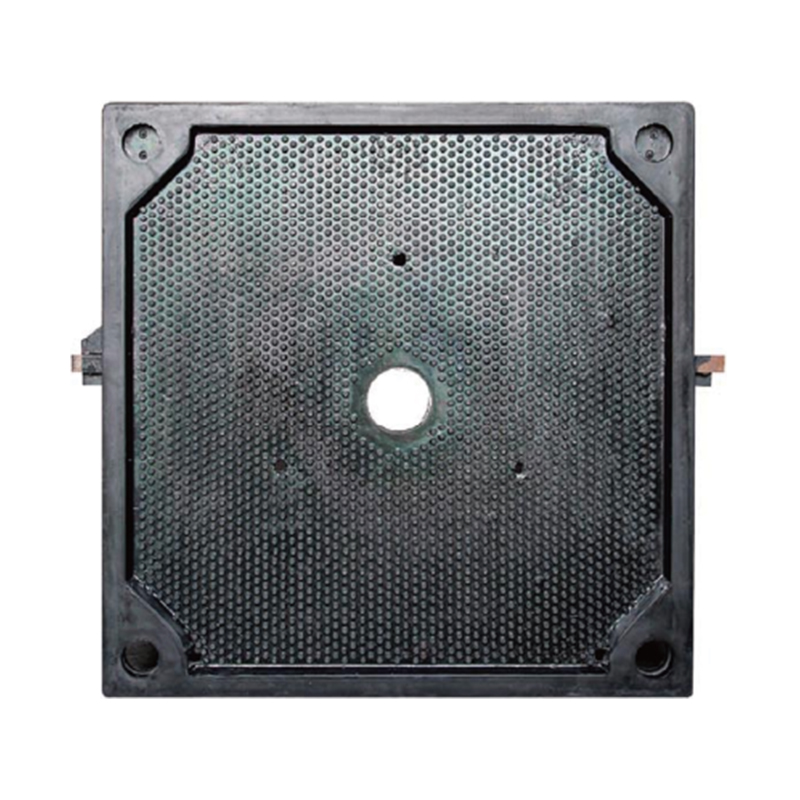
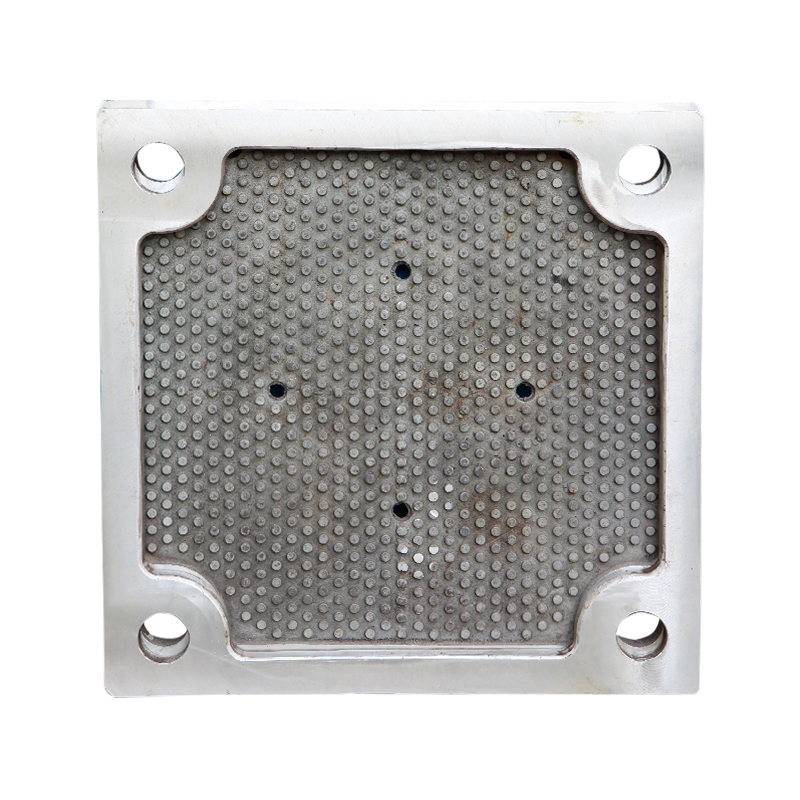
- Plate Cleaning:Inspect the filter plates periodically for any build-up or clogging of solids. Over time, the filter cakes can become hardened and difficult to remove. Use appropriate cleaning agents (mild detergents or citric acid) and high-pressure water to clean the plates. Avoid using harsh chemicals that can damage the plate material.
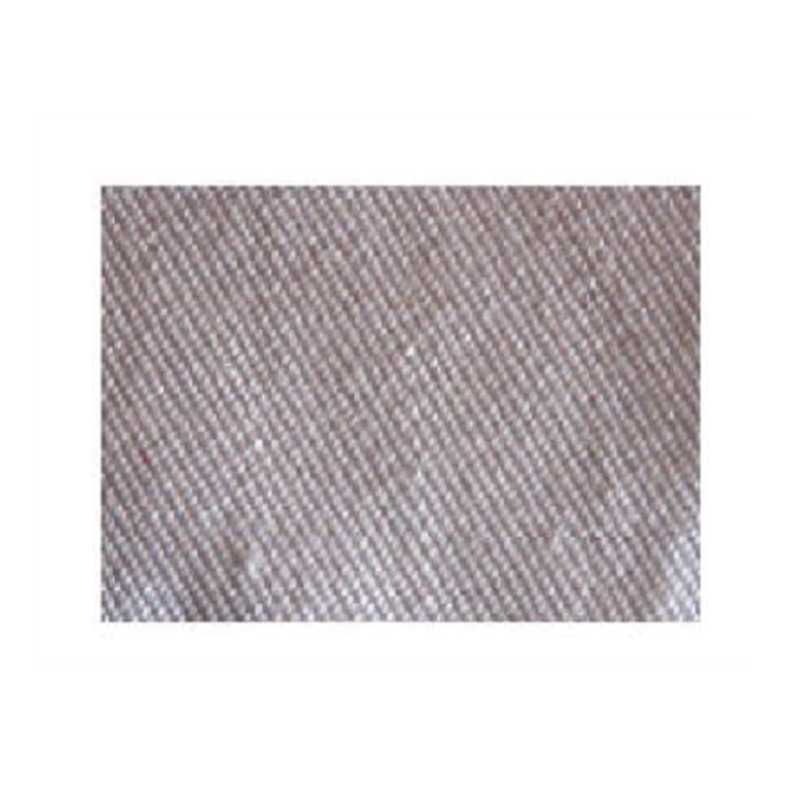
- Filter Cloth Cleaning:The filter cloth is critical for effective filtration. Check for wear, tear, and blockages. Regularly wash the cloths to remove any accumulated sludge or chemical residues. In some cases, cloths might need replacement if they are excessively worn or damaged.
Key Points:
- Clean plates after each cycle to maintain flow rates.
- Use non-abrasive, safe cleaning methods to protect filter surfaces.
2. Checking Hydraulic System
Why It’s Important:
The hydraulic system is responsible for exerting the necessary pressure to press the filter plates together, thus enabling effective filtration. A malfunction in this system can cause a range of issues, including inadequate filtration, leaks, or even complete failure of the press.
Maintenance Tips:
- Hydraulic Fluid Levels:Always check the fluid levels in the hydraulic reservoir to ensure there is enough fluid for optimal pressure generation. Low fluid levels can lead to a drop in system pressure and poor filtration.
- Pump Maintenance:Regularly inspect the hydraulic pump for unusual sounds, vibrations, or leaks. If the pump shows signs of wear or damage, consider replacing it before it fails completely.
- Pressure Settings:Check the pressure settings on the hydraulic system. Over-pressurizing can damage the plates, while under-pressurizing can lead to inefficient filtration. Ensure the pressure gauge is calibrated regularly.
Key Points:
- Keep the hydraulic fluid levels within the recommended range.
- Inspect the hydraulic pump for wear and tear.
3. Monitoring Filter Press Cake Quality
Why It’s Important:
The quality of the filter cake is a direct indicator of the performance of the filter press. A properly formed cake will be thick, dry, and consistent. Poor cake formation can lead to the need for additional processing, more downtime, and lower efficiency in your filtration process.
Maintenance Tips:
- Cake Thickness:Monitor the thickness of the cake formed during each filtration cycle. A very thick or too thin cake can indicate issues with pressure, feed rate, or filter cloth condition. Aim for uniform cake thickness across all plates.
- Cake Discharge:After each cycle, ensure that the filter cake discharges properly. Clogged or stuck cakes can cause a backlog in processing and may require manual intervention. Using a good quality cloth and ensuring proper cycle timing can help avoid this issue.
4. Check for Leaks and Seal Integrity
Why It’s Important:
Leaks in the filter press can lead to inefficiencies, loss of pressure, and contamination of the filtered liquid. Seal integrity is crucial for maintaining the effectiveness of the filtration process and avoiding operational downtime.
Maintenance Tips:
- Inspect Seals:Over time, the seals around the filter plates may wear down or crack. Inspect them regularly for any visible signs of wear or leakage. If seals are compromised, replace them promptly to maintain performance.
- Alignment of Plates:Proper alignment of the filter plates ensures the seals fit correctly. Misalignment can cause uneven pressure distribution and lead to leaks. Ensure that plates are aligned correctly and locked in place.
Key Points:
- Regularly inspect seals for cracks, wear, or leaks.
- Realign plates as necessary to ensure proper sealing.
5. Regular Calibration of Pressure and Flow Rates
Why It’s Important:
Incorrect pressure and flow rate can result in inefficient filtration, increased cycle times, and excess wear on the equipment. Regular calibration of pressure and flow ensures the system operates within optimal parameters.
Maintenance Tips:
- Pressure Calibration:Check the pressure gauges to ensure that the filter press operates at the optimal pressure for your materials. Under-pressurizing can cause incomplete filtration, while over-pressurizing can damage the filter plates.
- Flow Rate Adjustments:Ensure that the flow rate is properly adjusted to match the volume of material being processed. A flow rate that is too high or too low can lead to poor filtration and extended cycle times.
6. Troubleshooting Common Filter Press Problems
Common issues with filter presses can usually be traced back to a few key areas: clogging, leaks, poor filtration quality, or hydraulic problems. Below is a table summarizing some common issues and their troubleshooting steps:
|
Problem |
Cause |
Solution |
|
Slow Filtration Cycle |
Clogged filter cloths, incorrect pressure |
Clean or replace filter cloths, adjust pressure settings |
|
Leaks from Plates or Frames |
Worn-out seals, misaligned plates |
Replace seals, realign plates, check for damage |
|
Inconsistent Filter Cake |
Low pressure, worn-out filter cloths |
Adjust pressure, clean/replacethe filter cloth, check feed rate |
|
Excessive Noise or Vibration |
Hydraulic pump issues, loose parts |
Inspect pump and valves, tighten loose parts, check for hydraulic leaks |
7. Replacement of Worn-out Parts
Why It’s Important:
Worn-out parts, such as filter cloths, seals, and hydraulic components, can reduce the overall efficiency of the filter press. Timely replacement of these parts helps prevent costly repairs and reduces operational downtime.
Maintenance Tips:
- Filter Cloths:Depending on usage, filter cloths may need to be replaced every few months or years. Always check for signs of wear, clogging, or damage.
- Seals and Gaskets:Seals wear out over time, especially due to high-pressure cycles. Replace any seals or gaskets showing signs of leaks or deterioration.
- Hydraulic Components:The hydraulic system components, including hoses and valves, should be inspected regularly for leaks or wear. Replace parts as needed.
8. Training and Operator Awareness
Why It’s Important:
Having well-trained operators is crucial to ensuring the filter press runs smoothly. Proper operation and maintenance can prevent most issues, and early identification of problems can save time and money.
Maintenance Tips:
- Operator Training:Make sure that operators are trained not just in operating the filter press, but also in recognizing early signs of trouble, such as unusual noises or changes in pressure.
- Regular Briefings:Conduct regular training sessions to keep operators updated on best practices for filter press maintenance and troubleshooting.

Contact Information
 No. 1, Sudong Road, Guxi Town, Taixing, Jiangsu, China
 +86-15720778188
 +86-523-87791016
 +86-523-87797781
 [email protected]

;void(0))