

 English
 Español
 हिंदी
हिंदी Tiếng Việt
Industry News

What Determines the Filtration Cycle Time of a Chamber Filter Press?
 2026.08.17
 Industry News
Content
- 1 What Is the Filtration Cycle Time of a Chamber Filter Press?
- 2 Why Does Filtration Cycle Time Matter?
- 3 Slurry Characteristics Have the Greatest Influence
- 4 Solid Concentration Directly Affects Cycle Duration
- 5 Particle Size Distribution Influences Permeability
- 6 Feed Pressure Determines Filtration Speed
- 7 Pump Performance Plays a Critical Role
- 8 Filter Plate Design Affects Flow Distribution
- 9 Chamber Thickness Determines Cake Volume
- 10 Filter Cloth Selection Is Extremely Important
- 11 Filtration Pressure During Cake Formation
- 12 Slurry Temperature Influences Liquid Viscosity
- 13 Automation Improves Cycle Efficiency
- 14 Hydraulic System Performance
- 15 Equipment Maintenance Has a Direct Impact
- 16 Process Control and Monitoring
- 17 Environmental Conditions
- 18 How Can You Reduce Filtration Cycle Time?
- 19 Choosing the Right Manufacturer Makes a Difference
- 20 FAQ
The filtration cycle time is one of the most important performance indicators of a Chamber Filter Press. It directly influences production capacity, operating costs, energy consumption, and overall equipment efficiency. A shorter filtration cycle allows more batches to be processed within the same working period, while maintaining the desired filter cake dryness and filtrate clarity.
However, filtration cycle time is not determined by a single factor. Instead, it results from the interaction of slurry properties, equipment design, operating parameters, filter media, and automation systems. Understanding these variables helps manufacturers and plant operators optimize filtration performance while reducing production costs.
What Is the Filtration Cycle Time of a Chamber Filter Press?
A filtration cycle refers to the complete operating sequence from the moment slurry enters the filter press until the filter cake is discharged and the equipment is ready for the next cycle.
A standard filtration cycle generally includes the following stages:
- Filter plate closing
- Slurry feeding
- Pressure filtration
- Filter cake formation
- Optional cake squeezing (if applicable)
- Pressure release
- Plate opening
- Cake discharge
- Cloth cleaning (if required)
The total duration of these steps is known as the filtration cycle time.
Different industries have different target cycle times depending on production requirements. For example, wastewater treatment plants may prioritize continuous throughput, while pharmaceutical manufacturers may focus more on filtration precision than speed.
Why Does Filtration Cycle Time Matter?
Optimizing cycle time provides significant operational advantages.
A shorter and well-controlled filtration cycle can help companies achieve:
- Higher daily production capacity
- Lower energy consumption
- Reduced labor costs
- Improved equipment utilization
- Lower operating expenses
- Better process stability
- Increased return on investment
However, reducing cycle time should never compromise filter cake dryness or filtrate quality. The goal is to achieve the best balance between productivity and filtration performance.
Slurry Characteristics Have the Greatest Influence
The physical and chemical properties of slurry are usually the most significant factors affecting filtration speed.
Important slurry characteristics include:
- Solid concentration
- Particle size
- Particle size distribution
- Particle shape
- Slurry viscosity
- Compressibility
- Density
- Chemical composition
- Temperature
- pH value
For example, coarse mineral particles generally allow liquid to pass more easily through the filter cake, resulting in faster filtration. Conversely, fine clay particles create a dense cake structure that slows liquid flow and increases filtration time.
Highly viscous slurries also require longer filtration periods because liquid movement through the cake becomes more difficult.
Solid Concentration Directly Affects Cycle Duration
Solid content determines how quickly the filter chambers become filled.
Generally:
|
Solid Concentration |
Typical Effect on Cycle Time |
|
Low solids |
Longer filling time |
|
Medium solids |
Balanced filtration |
|
High solids |
Faster cake formation but higher resistance |
Very dilute slurry requires more liquid to be pumped before sufficient cake forms, extending the feeding stage.
Extremely high solid concentrations may reduce filling time but can increase filtration resistance, requiring higher pressure and longer dewatering periods.
Finding the optimal slurry concentration is essential for maximizing productivity.
Particle Size Distribution Influences Permeability
Particle size significantly impacts filtration resistance.
Larger particles create more porous filter cakes, allowing filtrate to pass through quickly.
Fine particles produce compact cakes with lower permeability, resulting in:
- Longer filtration cycles
- Higher pressure requirements
- Slower filtrate flow
- Greater moisture retention
Many industrial facilities perform particle size analysis before selecting a Chamber Filter Press to ensure appropriate equipment sizing.
Feed Pressure Determines Filtration Speed
Feed pressure drives slurry into the filter chambers.
Insufficient pressure leads to:
- Slow chamber filling
- Reduced filtration rate
- Extended production cycles
Higher feed pressure generally accelerates filtration during the initial stage. However, once the cake becomes thicker, additional pressure produces diminishing returns because the cake itself becomes the main resistance to liquid flow.
Maintaining stable pressure throughout the filtration process is more important than simply using the highest possible pressure.
Pump Performance Plays a Critical Role
The feed pump works together with the Chamber Filter Press.
Pump selection affects:
- Slurry flow rate
- Pressure stability
- Chamber filling speed
- Overall filtration efficiency
A properly matched pump ensures that slurry enters the chambers efficiently without causing excessive turbulence or pressure fluctuations.
Common feed pump options include:
|
Pump Type |
Typical Application |
|
Centrifugal Pump |
Low-pressure systems |
|
Piston Pump |
High-pressure filtration |
|
Diaphragm Pump |
Chemical processing |
|
Progressive Cavity Pump |
High-viscosity slurry |
Selecting the correct pump improves both productivity and equipment reliability.
Filter Plate Design Affects Flow Distribution
Filter plate geometry influences how evenly slurry spreads throughout the filtration chamber.
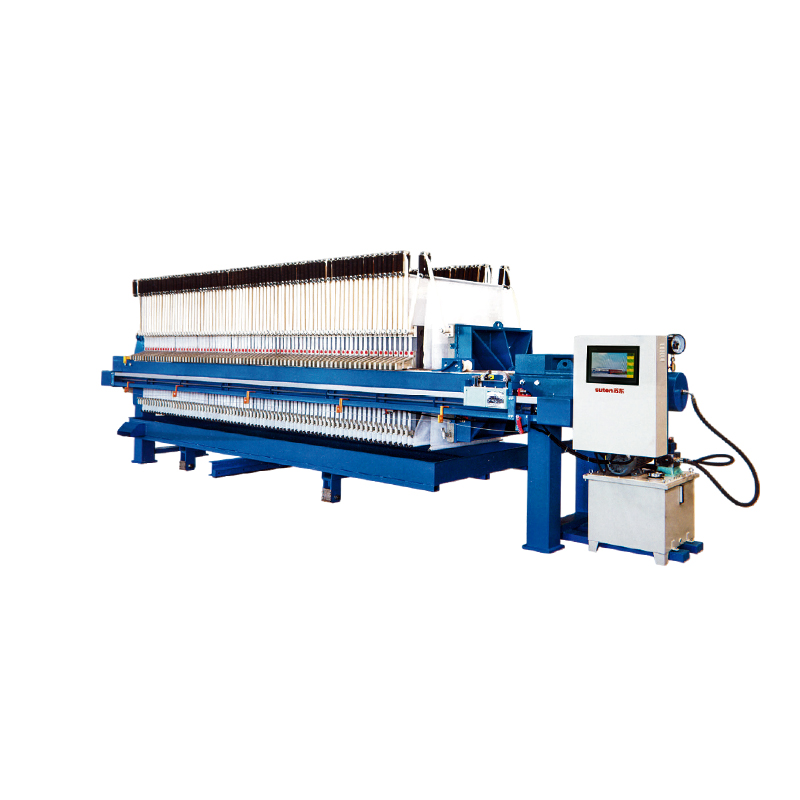
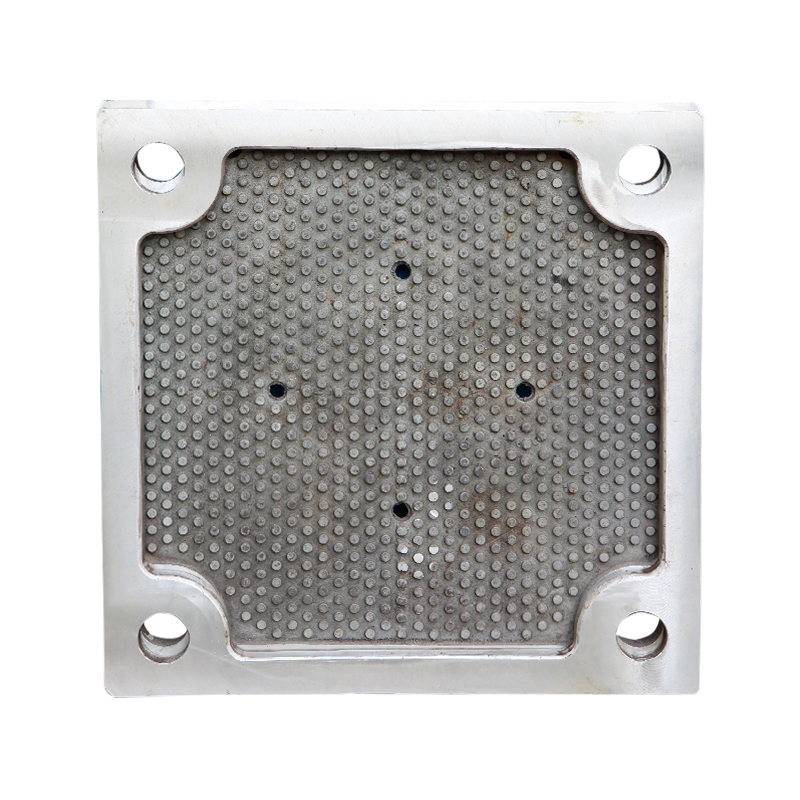
Modern Chamber Filter Press plates often feature:
- Optimized drainage channels
- Uniform chamber depth
- Reinforced plate structure
- Improved liquid distribution
Well-designed plates reduce pressure loss and promote faster cake formation.
Larger filtration areas also increase processing capacity while reducing the number of required cycles.
Chamber Thickness Determines Cake Volume
Filter chamber depth influences both cake thickness and filtration duration.
Thicker chambers can hold more solids but generally require:
- Longer filling time
- Longer filtration period
- Greater dewatering time
Thinner chambers complete filtration more quickly but produce smaller cake volumes.
Selecting the appropriate chamber thickness depends on balancing production efficiency with processing capacity.
Filter Cloth Selection Is Extremely Important
Filter cloth is one of the most overlooked factors affecting cycle time.
The correct filter cloth should provide:
- High permeability
- Excellent particle retention
- Easy cake release
- Chemical resistance
- Long service life
Common filter cloth materials include:
|
Material |
Advantages |
|
Polypropylene |
Chemical resistance |
|
Polyester |
Good strength |
|
Nylon |
Excellent flexibility |
|
Special synthetic fibers |
High-performance applications |
Dirty or clogged filter cloth significantly increases filtration resistance.
Regular cleaning and timely replacement can substantially shorten filtration cycles.
Filtration Pressure During Cake Formation
As filter cake becomes thicker, resistance increases.
Operators often increase filtration pressure during later stages to maintain filtration speed.
However, excessive pressure may compress the cake too tightly, reducing permeability and actually slowing filtration.
The optimal pressure profile depends on slurry characteristics and equipment design.
Slurry Temperature Influences Liquid Viscosity
Temperature affects liquid flow behavior.
Higher temperatures generally:
- Reduce viscosity
- Improve filtration speed
- Shorten cycle time
Lower temperatures increase liquid viscosity, making filtration slower.
Industries processing heated chemicals often benefit from naturally shorter filtration cycles than operations treating cold wastewater.
Automation Improves Cycle Efficiency
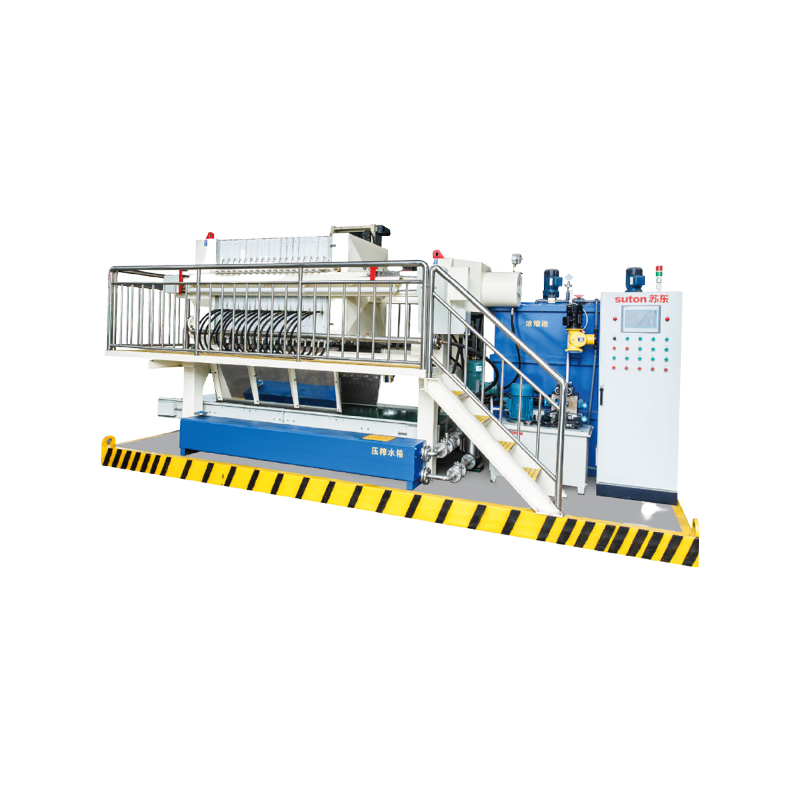
Modern Chamber Filter Presses incorporate automation systems that minimize non-filtration time.
Automatic functions may include:
- Automatic plate shifting
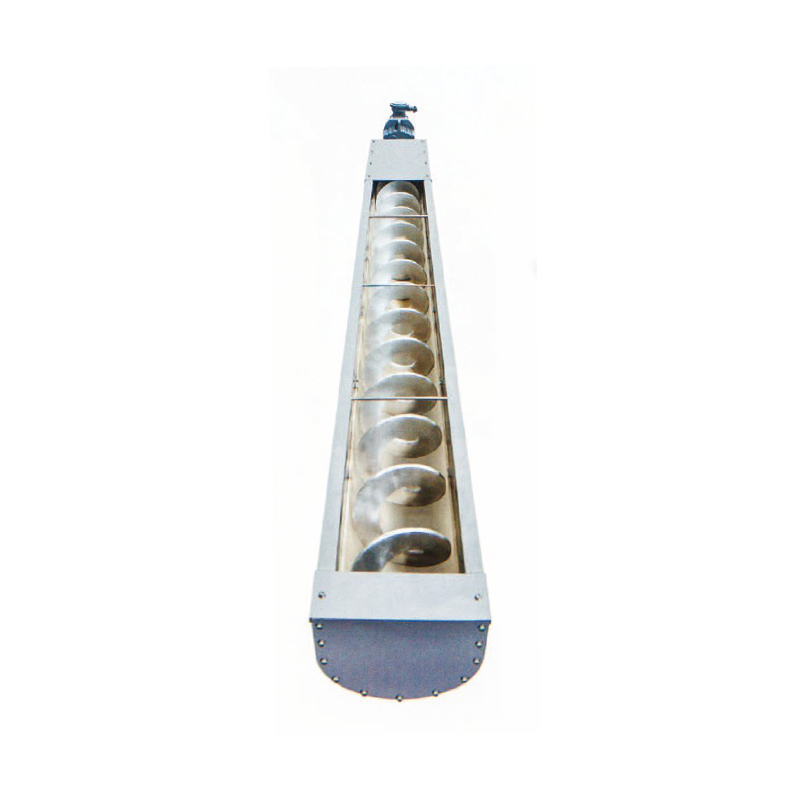
- Automatic cake discharge
- Automatic filter cloth washing
- Automatic hydraulic control
- PLC operation
- Remote monitoring
Automation reduces manual intervention while improving consistency between cycles.
Shorter plate opening and cake removal times increase overall production efficiency.
Hydraulic System Performance
The hydraulic system maintains sealing pressure during filtration.
Stable hydraulic pressure ensures:
- Uniform chamber sealing
- Reduced leakage
- Consistent filtration conditions
Hydraulic instability can interrupt filtration cycles and increase downtime.
Routine inspection of cylinders, pumps, valves, and hydraulic oil helps maintain reliable performance.
Equipment Maintenance Has a Direct Impact
Poor maintenance gradually increases filtration cycle time.
Common maintenance issues include:
- Blocked drainage channels
- Worn filter cloth
- Damaged filter plates
- Hydraulic leakage
- Pump wear
- Instrument malfunction
Preventive maintenance reduces unexpected downtime while maintaining optimal filtration efficiency.
Process Control and Monitoring
Modern industrial facilities increasingly rely on intelligent monitoring systems.
Real-time monitoring can optimize:
- Feed pressure
- Pump speed
- Filtration pressure
- Cycle duration
- Cake thickness
- Hydraulic pressure
Advanced PLC systems automatically adjust operating parameters to achieve the shortest possible cycle while maintaining product quality.
Environmental Conditions
External operating conditions may also influence filtration performance.
Factors include:
- Ambient temperature
- Humidity
- Water quality
- Compressed air stability
- Power supply consistency
Although these factors have less impact than slurry characteristics, they can still affect overall production efficiency.
How Can You Reduce Filtration Cycle Time?
Several practical measures can significantly improve filtration efficiency.
|
Optimization Method |
Expected Benefit |
|
Optimize slurry concentration |
Faster cake formation |
|
Select suitable filter cloth |
Lower filtration resistance |
|
Match feed pump correctly |
Stable slurry delivery |
|
Maintain proper feed pressure |
Improved filtration speed |
|
Regular cloth cleaning |
Higher permeability |
|
Replace worn plates |
Better sealing performance |
|
Upgrade automation |
Reduced downtime |
|
Perform preventive maintenance |
Consistent productivity |
Rather than relying on a single improvement, combining several optimization strategies typically delivers the greatest reduction in cycle time.
Choosing the Right Manufacturer Makes a Difference
The design quality of a Chamber Filter Press has a lasting impact on filtration efficiency. An experienced manufacturer can optimize chamber configuration, hydraulic systems, filter plate design, and automation according to the customer’s slurry characteristics and production goals.
At Jiangsu Sudong Chemical Machinery Co., Ltd., Chamber Filter Press solutions are engineered to provide stable operation, efficient solid-liquid separation, durable construction, and flexible customization for industries such as mining, chemicals, environmental protection, metallurgy, food processing, and wastewater treatment. By evaluating process requirements in detail, the company helps customers select equipment that achieves both high filtration performance and economical operating costs.
FAQ
Q1: What is a typical filtration cycle time for a Chamber Filter Press?
A: Depending on the slurry characteristics, chamber size, and operating conditions, a typical filtration cycle can range from 30 minutes to several hours. Fine or highly viscous slurries generally require longer cycles than coarse mineral slurries.
Q2: Does increasing feed pressure always shorten the filtration cycle?
A: Not necessarily. Higher feed pressure can speed up the initial filling stage, but excessive pressure may compress the filter cake, reducing its permeability and slowing the later stages of filtration.
Q3: How does filter cloth affect filtration cycle time?
A: Filter cloth permeability, material, and cleanliness directly influence liquid flow. A clean, properly selected cloth reduces filtration resistance, shortens cycle time, and improves cake release efficiency.
Q4: Can automation reduce the overall cycle time?
A: Yes. Features such as automatic plate shifting, cake discharge, cloth washing, and PLC control reduce non-filtration time, improve operational consistency, and increase daily processing capacity.
Q5: What is the most important factor affecting filtration cycle time?
A: While many variables play a role, slurry characteristics—including solid concentration, particle size, viscosity, and compressibility—are generally the most influential factors, as they determine how quickly a permeable filter cake forms and how easily liquid passes through it.

Contact Information
 No. 1, Sudong Road, Guxi Town, Taixing, Jiangsu, China
 +86-15720778188
 +86-523-87791016
 +86-523-87797781
 [email protected]

;void(0))